
Mining the Voice of the Fan: Decoding User Clusters on Facebook Fan Pages
Mining the user clusters on Facebook fan pages based on topic and sentiment analysis
This paper presents a framework for mining user clusters on Facebook Fan Pages by integrating sentiment analysis and topic mining. Using a combination of the NTUSD sentiment dictionary, SVM classification, and TF-IDF keyword extraction, the study achieves a 77% accuracy in sentiment polarity detection and identifies critical domain-specific topics from user comments.
TL;DR
This research moves beyond simple engagement metrics (likes and shares) to analyze the actual substance of customer opinions on Facebook Fan Pages. By combining SVM-based sentiment analysis with TF-IDF topic mining, the authors demonstrate how corporations can extract hidden "pain points" from neutral and negative comments, effectively turning social media noise into a strategic marketing toolkit.
Background: Beyond the "Like" Button
In the era of social commerce, a "Like" is a shallow signal. It indicates endorsement but lacks context. For a brand like Huggies (the primary case study in this paper), understanding why a user is happy or frustrated is far more valuable than knowing they clicked a button. The authors position this work as a bridge between Natural Language Processing (NLP) and Social Network Analysis (SNA), treating Fan Pages as specialized corpora where user focus is restricted to a single brand.
The Core Challenge: Noise in the Echo Chamber
The researchers identified a significant hurdle: Promotional Bias. Most comments on Fan Pages are positive but uninformative—often just users participating in lotteries or tagging friends in response to official posts. To find real insights, the system must:
- Distinguish between different sentiment polarities.
- Filter out "official" vocabulary to find "user" vocabulary.
- Identify topics that correlate with specific sentiments.
Methodology: The Integrated Mining Pipeline
The system architecture follows a robust flow: Data Collection -> Pre-processing (CKIP Segmentation) -> Sentiment Classification (SVM) -> Topic Extraction (TF-IDF).
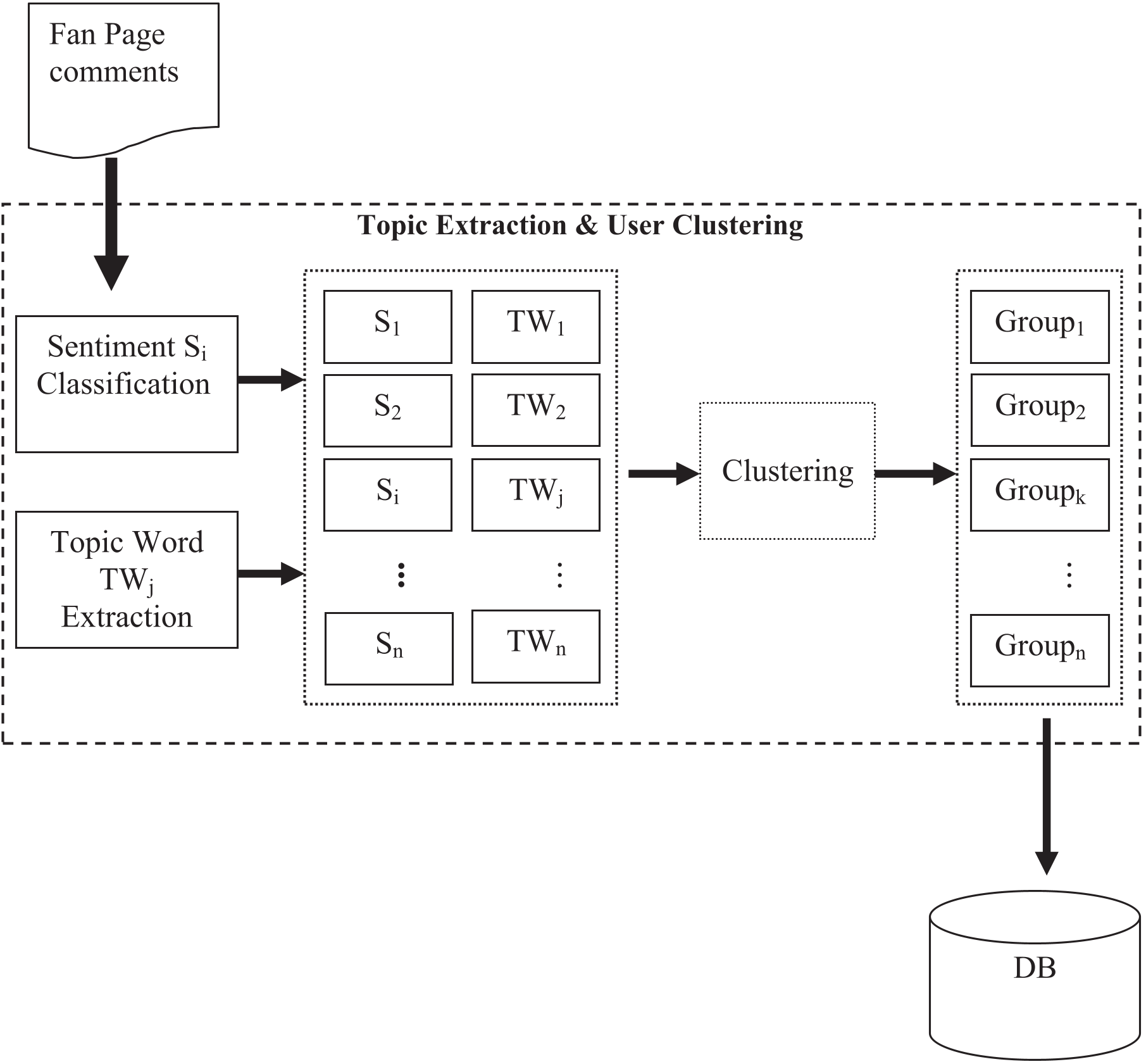
Figure 1: The high-level pipeline for collecting and processing Fan Page data.
A key technical nuance is the adaptation of TF-IDF. Instead of treating the entire web as the background corpus, the researchers used other Fan Pages as the document frequency reference. This emphasizes terms that are unique to the specific brand being analyzed (e.g., "absorbent" for diapers).
Critical Findings: The Power of Negative Thinking
The study's most profound insight lies in the comparison of keyword rankings across sentiment groups.

Table 7: Top keywords sorted by sentiment. Note how the "Negative" column reveals specific problems like "Diaper rash" and "Red ass."
Key Insights:
- Sentiment as a Leading Indicator: The researchers found that a spike in positive sentiment comments typically precedes a spike in "likes" by about a month. This suggests that textual analysis can predict engagement trends before they fully manifest in metadata.
- The "Neutral/Negative" Goldmine: While positive comments mostly echoed official marketing terms (e.g., "skin protection," "dry"), negative comments revealed genuine consumer anxieties and product flaws (e.g., "diaper rash," "absorbent power").
- Information Density: Neutral comments were often found to be related to "user training" and "usage questions," providing a roadmap for customer service improvements.
Conclusion & Strategic Takeaways
The paper proves that sentiment analysis is not just about "how many people like us," but "what is the specific nature of their dissatisfaction." By isolating the negative sentiment cluster, a company can perform targeted topic mining to identify product weaknesses that are otherwise buried under a mountain of positive, promotional-driven feedback.
Limitations and Future Outlook
While the 77% accuracy is respectable for its time, the reliance on a static sentiment dictionary and SVM may struggle with the sarcasm and highly evolving slang of modern social media. Future research aims to automate the user clustering part—grouping users not just by what they say, but by their long-term behavior patterns and influence within the community.
This study provides a foundational blueprint for any brand looking to transform their social media presence from a megaphone into a listening post.