
Empowering the Rural Majority: A Specialized Mobile Learning Model for China’s Tertiary Education
A Model of Mobile Learning Application for Tertiary Education in Rural Area in China: A Preliminary Study
This study proposes a tailored Mobile Learning Model for tertiary education in rural China, developed through a survey of 700 students at DaZhou Vocational and Technical College. The model integrates key dimensions such as internet speed, course content quality, and social networking to enhance student motivation and bridge the educational resource gap between rural and urban areas.
Executive Summary
TL;DR: This research tackles the "digital and educational divide" in rural China by proposing a specialized mobile learning model. By surveying 700 vocational students, the authors identified how major-specific needs and socio-cultural factors (like parental approval) influence the success of mobile education platforms.
Positioning: This is a preliminary modeling study that moves beyond generic e-learning to create a context-aware framework specifically for the rural vocational landscape, where traditional resources are scarce.
The "Rural Gap" and Research Motivation
In China’s educational hierarchy, prestigious universities in "Tier 1" cities attract the best faculty and funding. Students in rural tertiary colleges often face a "double hit": fewer expert teachers and limited access to physical high-tech labs.
The authors suggest that while Mobile Learning (m-learning) is often viewed as a global trend, its implementation in rural areas is hindered by unique friction points:
- Infrastructure Sensitivity: Dependence on mobile data rather than stable campus Wi-Fi.
- Social Constraints: The heavy influence of parental and peer opinions on new technology adoption.
- Financial Limitations: High costs of advanced devices and data plans.
Methodology: Listening to the Rural Student
The study surveyed 700 students across 13 departments at DaZhou Vocational and Technical College. Using a 5-point Likert scale and SPSS analysis, they looked for the "signal" in the data: Do different majors need different mobile tools?
The answer was a resounding yes. The study proved that "course content" and "teaching materials" are critical for medical students, while "social networking" and "communication" are the lifelines for Art and Humanity students.
The Proposed Mobile Learning Model
The core contribution is a circular, multi-layered model designed to foster Autonomous Study.
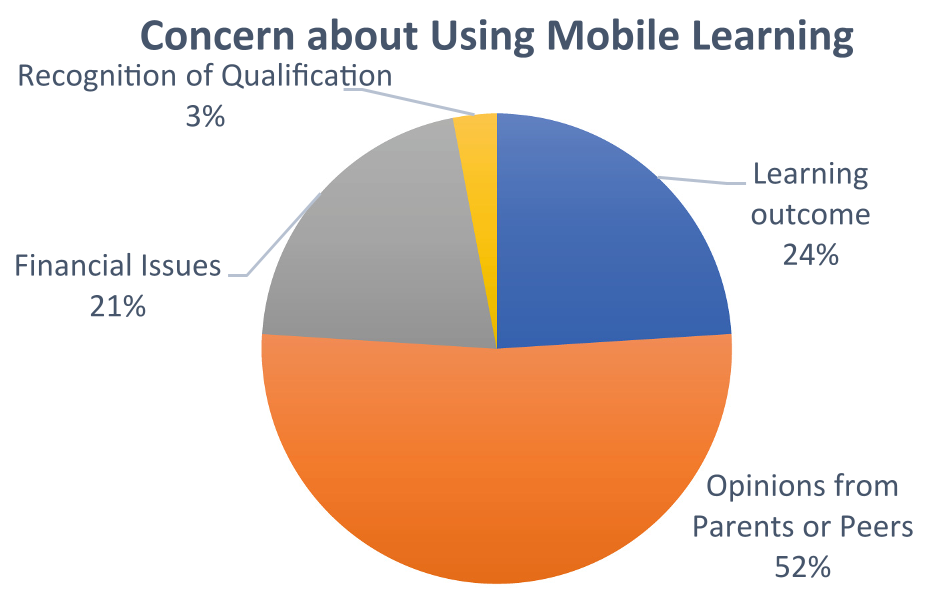 Figure: The proposed framework integrating students, teachers, apps, and technology.
Key Pillars of the Model:
- Technological Layer: Leveraging 4G/4G+ networks to overcome the lack of fixed-line broadband in rural dormitories.
- Major-Specific Customization:
- Science/Engineering: High-speed data for video experiments and computerized quizzes.
- Arts/Humanities: Heavy integration of social media (WeChat style) for peer reviewing and group discussion.
- The Interaction Loop: Moving the teacher from a "monitor" to a "content developer," allowing the App to handle the heavy lifting of assignments and examinations.
Experimental Insights
The research highlighted a fascinating psychological barrier: Human Influence.
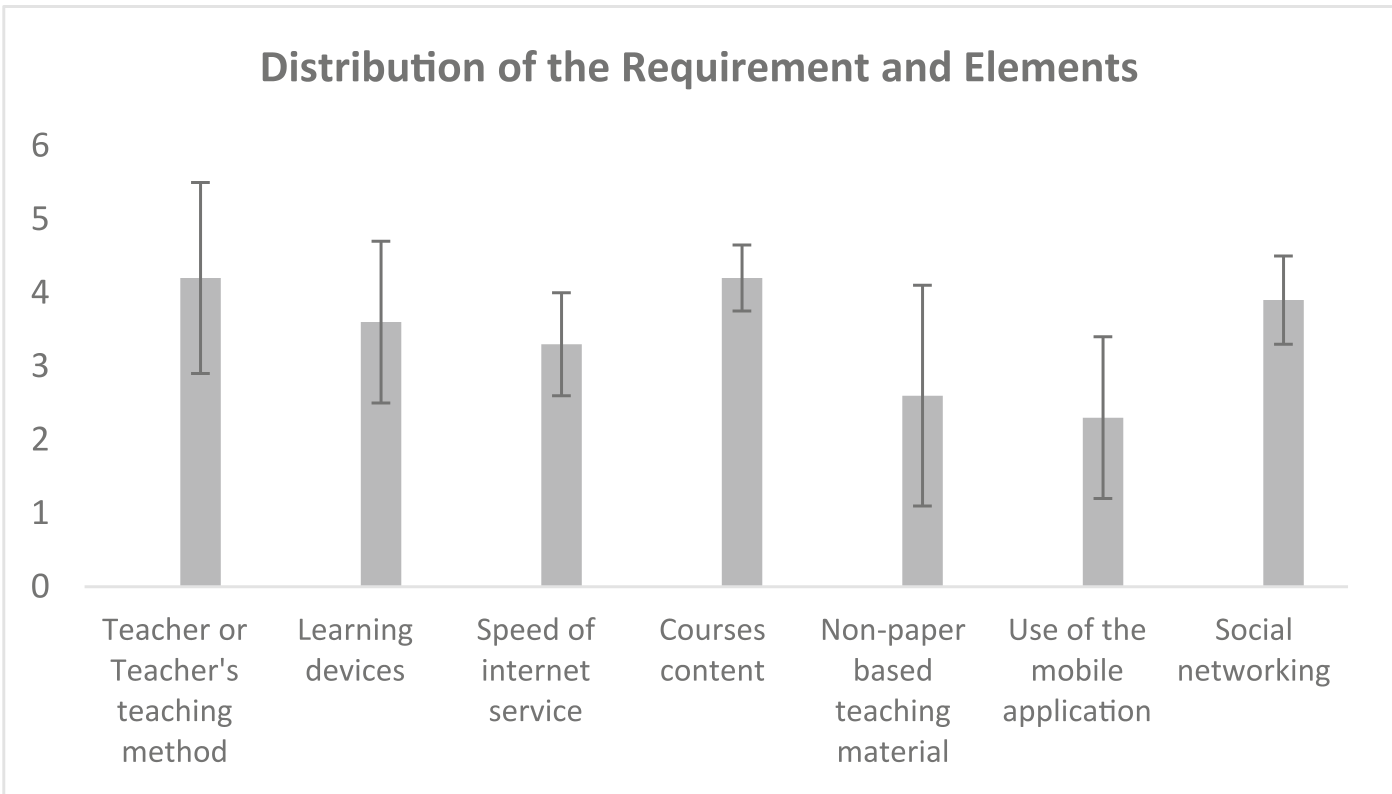 Figure: Analysis showing that peer and parental opinions often outweigh technical concerns for rural students.
Statistical Breakdown:
- Medical Majors: Showed a p-value of 0.02 regarding content requirements—indicating they see mobile apps as essential repositories for complex visual teaching materials.
- Social Connectivity: Almost all majors showed significant interest in social networking (p < 0.05), suggesting that "learning as a social act" is vital in rural settings to prevent isolation.
Critical Analysis & Conclusion
The Takeaway
The study concludes that mobile learning in rural China is not just about "apps"—it's about creating a socially acceptable and major-specific ecosystem. By focusing on the "anytime, anywhere" nature of smartphones, rural colleges can effectively "import" high-quality resources from urban centers.
Limitations & Future Work
- Privacy & Copyright: The model currently lacks a robust framework for student data privacy and the copyright of cross-university materials.
- Long-term Efficacy: As a preliminary study, it measures expectations rather than long-term academic performance.
- Financial Strategy: While 4G is available, the cost of data for high-volume video materials remains a burden for low-income rural students.
Ultimately, this work serves as a blueprint for policy makers and ed-tech developers looking to democratize education in developing regions through the "small screen."