
More Technology, More Change? Deconstructing the ICT4D Paradox in rural Peru
Más tecnología, más cambio? Investigating an educational technology project in rural Peru
This ethnographic study investigates the implementation of educational ICT projects in rural Peru, comparing the community-focused "Blue Sparrow" initiative with the large-scale "One Laptop Per Child" (OLPC) program. It identifies key success factors for technology adoption in low-resource settings and proposes a "bottom-up" methodology for long-term sustainability.
TL;DR
In the quest to bridge the digital divide, "throwing technology" at schools often results in expensive, unused hardware. This ethnographic study contrasts the failure of the top-down One Laptop Per Child (OLPC) program with the relative success of Blue Sparrow, a small-scale charity in Peru. The secret to adoption isn't the specs of the machine, but the strength of the social "buy-in" and community empowerment.
The "Top-Down" Trap vs. The "Bottom-Up" Reality
For decades, the prevailing logic in International Development was simple: provide a child with a laptop, and they will teach themselves. This "Constructionist" view, championed by Nicholas Negroponte, led to the distribution of nearly a million laptops in Peru.
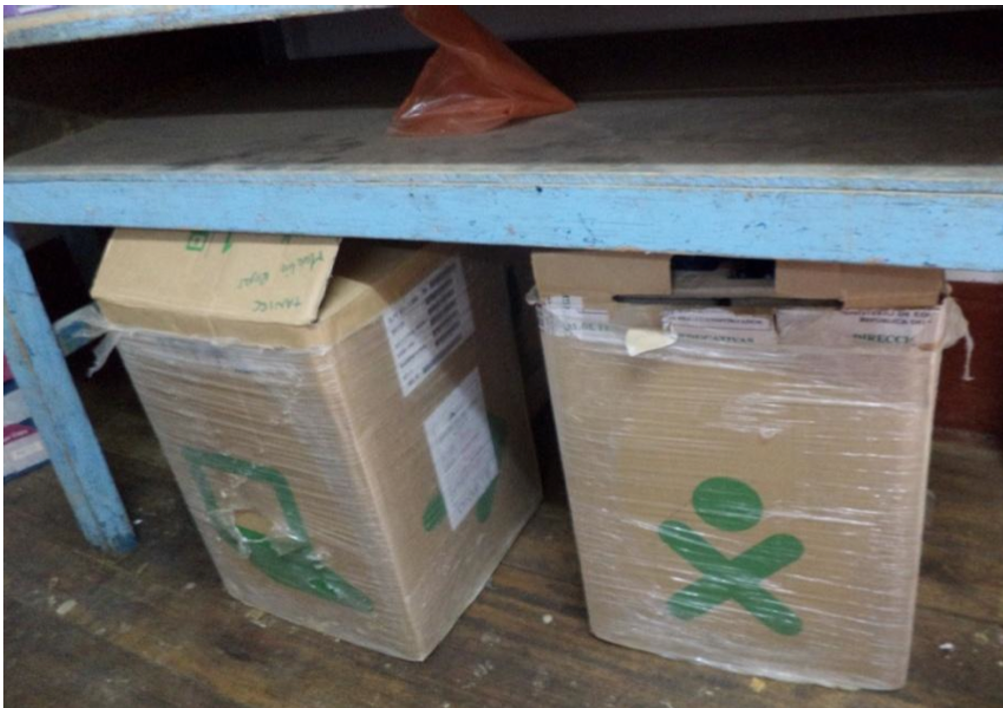
However, the researchers found a striking visual metaphor for failure: stacks of OLPC laptops sitting in their original packaging, gathering dust while teachers feared they might be held financially liable for any damage.
The authors argue that the Blue Sparrow initiative succeeded where OLPC failed because they didn't just drop off boxes. They spent months building relationships, "sharing personal struggles" with locals, and involving school directors—the ultimate "gatekeepers"—as project champions.
Methodology: Beyond Hardware
The researchers utilized Rapid Ethnography—a mix of interviews, focus groups, and participant observation—to understand why some technology "sticks" and some doesn't.
Key Insights of the Blue Sparrow Model:
- Local Champions: If the school director (the "Gatekeeper") isn't invested, the project dies.
- Economic Sustainability: They didn't just provide an internet connection; they helped schools start micro-businesses, such as guinea pig husbandry, to pay for the monthly fees.
- Technological Familiarity: Teachers preferred refurbished Windows desktops over Linux-based OLPC laptops because they already knew how to use them.
The "Performativity" Problem: A Ceiling on Impact
Despite the success in usage, the study exposes a sobering reality: usage does not equal learning.
Even with functioning labs, the teaching style remained "highly structured" and instructive. Students didn't use computers to explore; they used them as "digital notebooks" to copy text from Wikipedia into Word—a practice called performativity. Teachers graded based on how well a student could replicate a graph by hand in a paper notebook based on what was on the screen.
"Projects don’t work when you put way too many new elements in... they’re not good at looking on the Internet, not very good at deciphering data... that was overwhelming." — Volunteer T.
Seven Guidelines for Future ICT4D Projects
The paper concludes with a framework for practitioners to ensure long-term sustainability:
Group A: Community Integration
- Understand Local Context: Avoid cultural assumptions.
- Bottom-Up Approach: Tailor programs to specific community needs.
- Involve Stakeholders: Make expectations explicit and involve end-users.
- Empower Communities: Transition from volunteer-led to self-managed models.
Group B: Educational Depth
- Teacher Training: Teachers are the ultimate arbiters of technology use.
- Wider Curriculum Integration: Computers should be tools for math or history, not just "computer class."
- Clear Materials for Volunteers: Provide structure to minimize the gap between volunteer teaching styles and local norms.
Critical Analysis & Conclusion
This paper serves as a vital critique of technological solutionism. It proves that the "Digital Divide" is not just about a lack of CPUs; it is about a lack of support, training, and pedagogical flexibility. While Blue Sparrow successfully integrated hardware into the social fabric of rural Peru, the next "Information Revolution" in education must solve the human problem: moving from copying data to reasoning with it.
The Takeaway: If you want to change education in a low-resource setting, focus on the teacher and the community's economy before you focus on the hardware.