
Mining the "Scaffolds of Life": An MRDM Approach to TPR-Like Proteins in Leishmania
Multi-relational Data Mining for Tetratricopeptide Repeats (TPR)-Like Superfamily Members in Leishmania spp.: Acting-by-Connecting Proteins
This paper presents a Multi-Relational Data Mining (MRDM) framework combined with Hidden Markov Models (HMM) and the Viterbi Algorithm to identify TPR-like superfamily members in Leishmania genomes. The study successfully uncovers a significantly larger number of TPR, PPR, and HAT proteins compared to standard databases like Pfam and SMART.
TL;DR
Researchers have developed a sophisticated bioinformatics pipeline using Multi-Relational Data Mining (MRDM) and Hidden Markov Models (HMM) to map the TPR-like superfamily in Leishmania. By moving beyond simple table-based searches to complex relational modeling, they identified nearly double the number of repeat-containing proteins compared to standard industry tools, offering new insights into parasite cellular machinery.
Contextualizing the Problem: The "Dark Matter" of Repeat Proteins
Tetratricopeptide Repeats (TPR), Pentatricopeptide Repeats (PPR), and Half-a-TPR (HAT) motifs are the structural "architects" of the cell. They form superhelical scaffolds that facilitate critical protein-protein and protein-RNA interactions.
However, they present a nightmare for bioinformaticians:
- Sequence Divergence: While their 3D structure is conserved, their primary amino acid sequences are highly degenerate.
- Tandem Complexity: They occur in clusters, meaning their biological "meaning" is derived from their arrangement rather than individual motifs.
- Limitations of SOTA: Standard tools like Pfam and SMART often miss remote homologs because they penalize divergent units, resulting in an incomplete picture of a parasite's proteome.
Methodology: The Power of Connecting Tables
The core innovation of this work is the shift from "flat" data mining to Multi-Relational Data Mining (MRDM).
The Relational Edge
Instead of viewing a protein as a single string, the authors used Probabilistic Relational Models (PRMs). This allowed the system to reason across multiple tables (e.g., motif identity, interaction relations, and composition) to find patterns that a single-table HMM might miss.
The Stochastic Engine
The researchers combined this with a Profile HMM (pHMM) and the Viterbi Algorithm. This ensemble effectively "decodes" the most likely sequence of hidden states (motif types) within a protein.
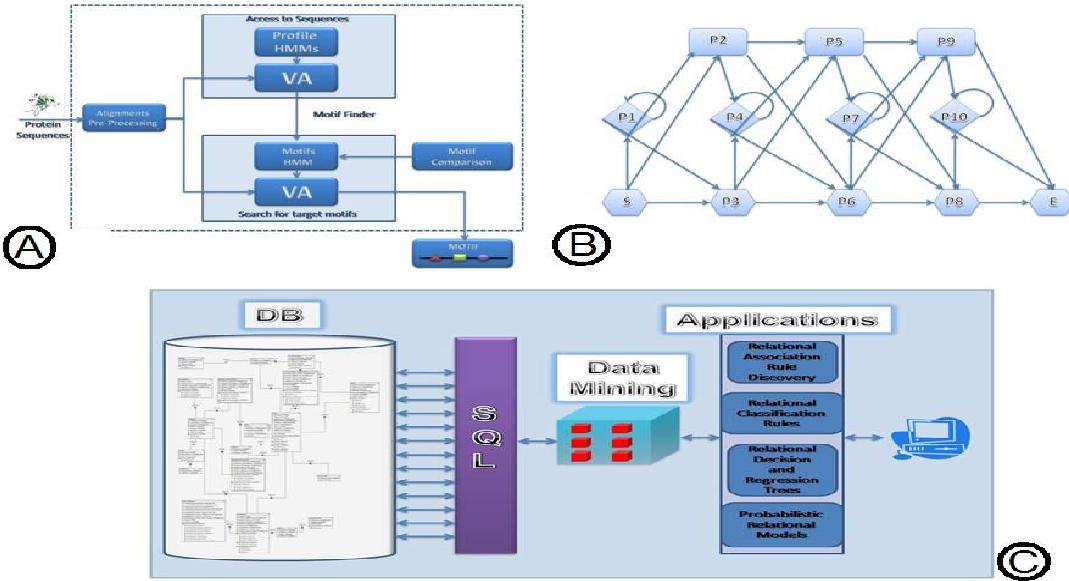 Figure 1: The integration pipeline showing the flow of sequence data through HMMs/VA and into the MRDM framework.
Experiments & Results: Uncovering Hidden Genes
The study applied this pipeline to Leishmania major, L. infantum, and L. braziliensis.
Quantitative Superiority
The MRDM approach proved significantly more sensitive than existing databases:
- TPR Proteins: Found 104, compared to only 51 in Pfam.
- PPR Proteins: Found 36, compared to 12 in GeneDB.
This suggests that a large portion of the Leishmania genome previously labeled as "hypothetical proteins" are actually sophisticated RNA-binding or protein-scaffolding tools.
 Table 1: Comparison of detection rates across different bioinformatics resources.
Structural Significance
The authors generated a consensus matrix for the TPR signature, removing "orphan" motifs to reduce false positives. This prioritized tandem repeats, which are biologically functional.
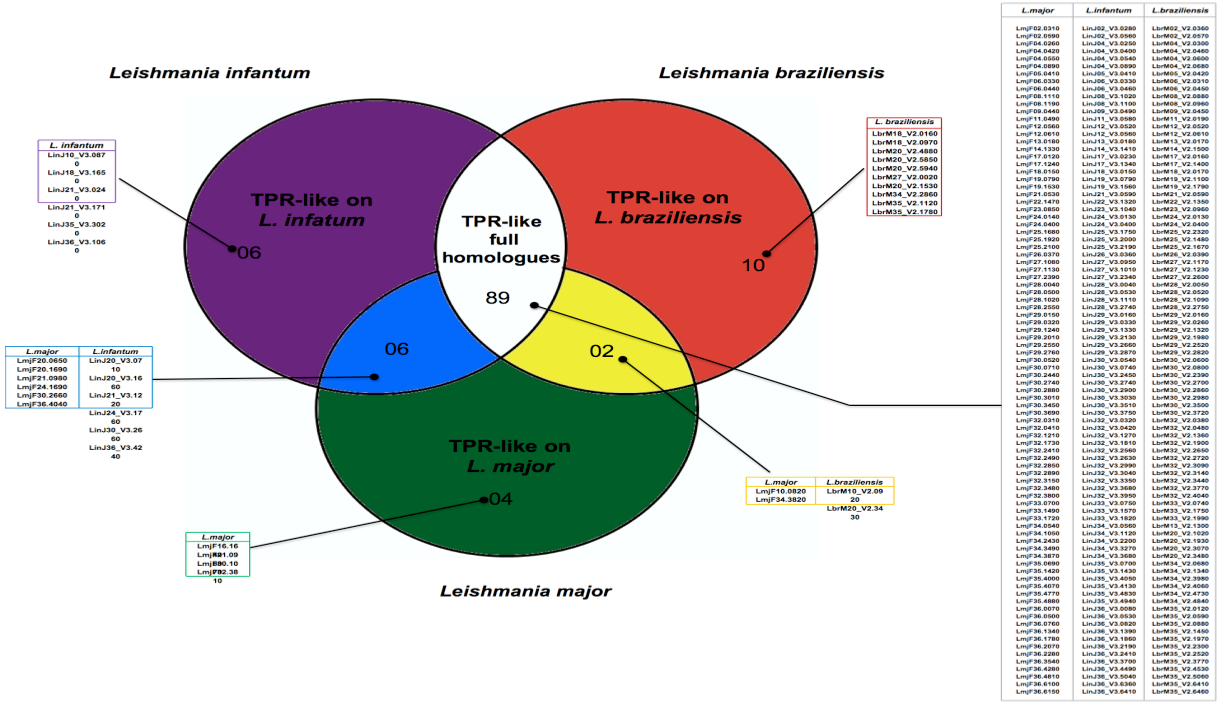 Figure 2: The degenerate TPR signature matrix used for genome-wide scanning.
Critical Insights & Future Outlook
The success of this study hinges on "Acting-by-Connecting." By treating biological data as a web of relationships rather than isolated features, the authors bypassed the sensitivity limits of traditional HMMs.
Key Takeaways:
- Imputation Matters: Handling missing data in relational tables improved accuracy by 28%.
- Neglected Proteomes: The "intermediate" abundance of PPRs in Leishmania (36 genes) suggests a complex RNA metabolism that remains a target for drug discovery.
- Scalability: This MRDM framework can be extended to other repeat-rich families like WD40 or Ankyrin repeats, which are also expanded in eukaryotic genomes.
While the method is powerful, it still requires manual expertise to solve motif annotation inconsistencies—suggesting that the future of bioinformatics lies in the synthesis of high-level relational AI and expert biological intuition.