
Decoding the Trust Engine: A Neural Computing Framework for OSN Credibility
A neural computing approach to the construction of information credibility assessments for online social networks
This study proposes a neural computing approach to model information credibility assessment in Online Social Networks (OSNs). Using the Stimulus-Organism-Response (SOR) framework, the authors developed a predictive model that identifies how information involvement, sources, and transfer channels determine information usefulness and credibility, ultimately dictating user adoption behavior.
TL;DR
In an era of viral rumors and digital "salt panics," understanding why we believe what we read on social media is critical. This research introduces a formal Stimulus-Organism-Response (SOR) model to quantify how information involvement, sources, and channels drive the dual engines of "Usefulness" and "Credibility," leading to final information adoption. Surprisingly, it reveals that the scenario or context of the information matters far less than the user’s personal involvement.
The Credibility Crisis in Online Social Networks (OSNs)
The shift from traditional news to OSNs (Weibo, Twitter, WeChat) has removed the physical and temporal barriers to information. However, this convenience comes at a cost: inaccurate or malicious rumors can trigger economic loss and social instability. Existing assessments often view credibility through a single lens—either the source or the message. The authors argue that credibility is a subjective cognitive process influenced by the audience's motivation and external clues.
Methodology: The SOR Architecture
The core of this paper lies in its application of the SOR Framework, which treats the user as an "Organism" processing "Stimuli" to produce a "Response."
1. The Stimuli (S)
- Information Involvement: How relevant the data is to the user's needs.
- Information Source & Transfer Channels: The technical and social origins of the data.
- Information Scenario: The environmental context of the user.
2. The Organism (O)
- Perceived Usefulness: Does this help me?
- Perceived Credibility: Can I trust this?
3. The Response (R)
- Information Adoption: The final act of accepting, forwarding, or acting upon the information.
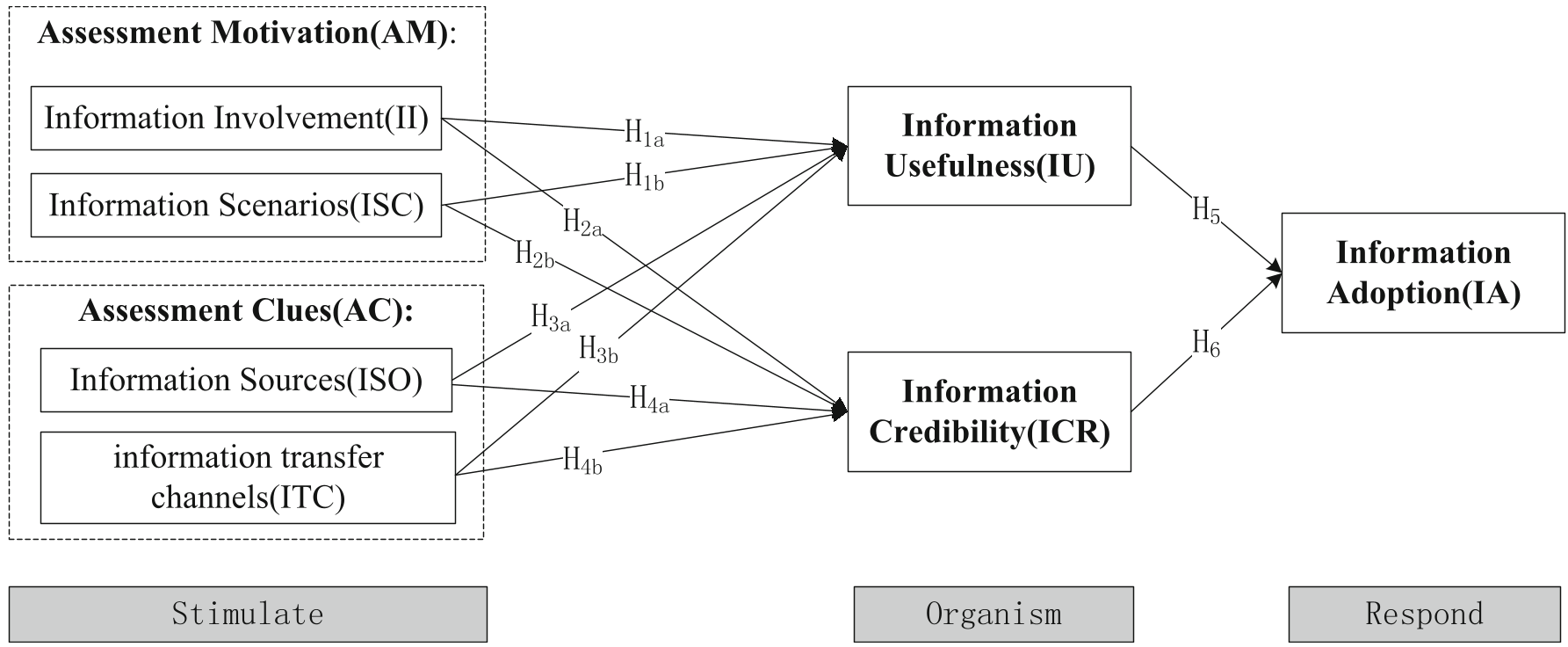 Figure 1: The proposed SOR-based Information Credibility Assessment Model.
Key Insights & Experimental Results
Through a survey of 399 active OSN users and rigorous regression analysis using AMOS 21.0, several key findings emerged:
- Involvement is King: High information involvement significantly drives perceived usefulness (0.456) and credibility (0.205). When users feel "immersed" in a topic, they are more motivated to assess its validity.
- The Channel's Authority: Information transfer channels have a massive impact on credibility (0.517), suggesting that users place high trust in the "brand" or "authority" of the platform itself.
- The "Scenario" Fallacy: Contradicting prior literature, the Information Scenario did not have a significant impact on usefulness or credibility. In the digital realm, the context of the user matters less than the inherent characteristics of the message and its source.
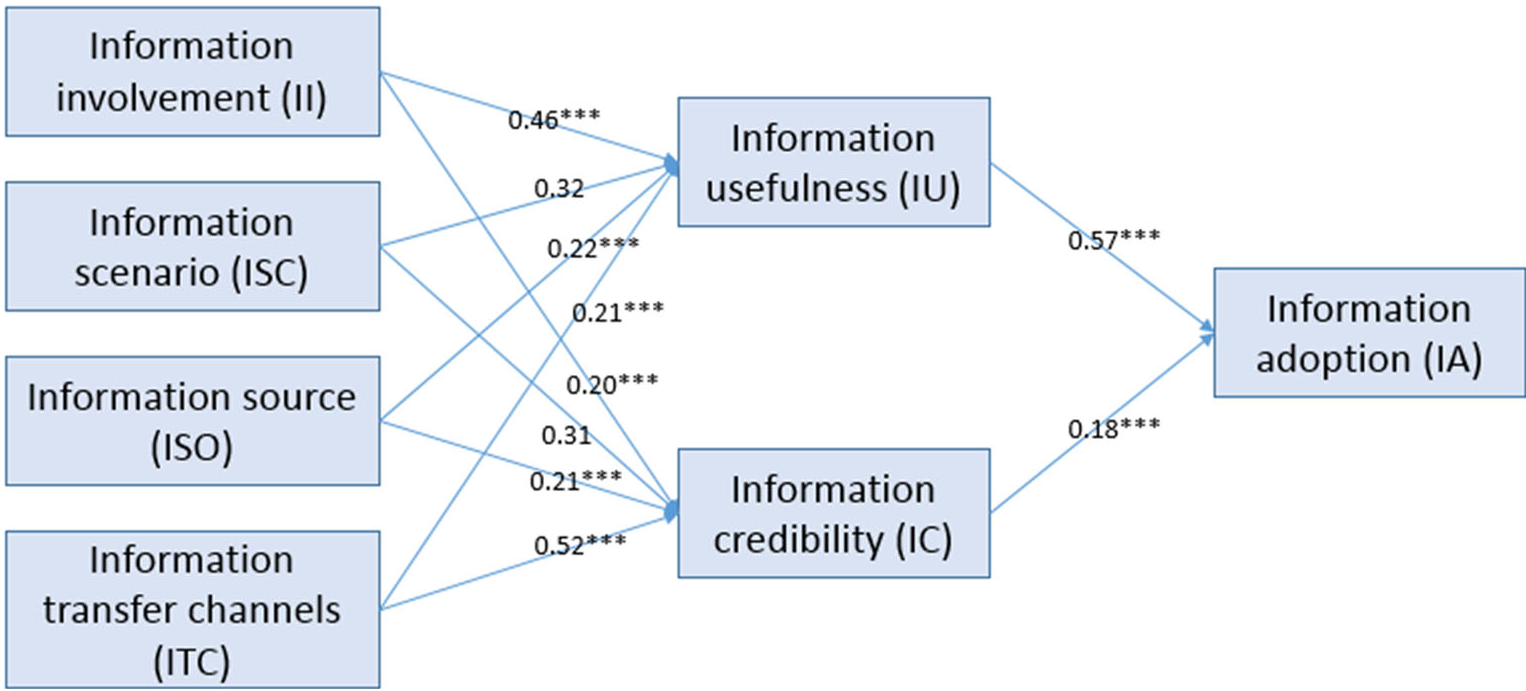 Figure 2: Empirical results showing path coefficients and statistical significance.
Critical Analysis & Conclusion
Takeaway
The study proves that OSN adoption is fundamentally driven by Information Usefulness (0.566). If a user finds information beneficial to their goals, they are far more likely to adopt it, even if the credibility (0.178) is only moderately established. This highlights a dangerous "utility-over-truth" bias in social networking environments.
Limitations & Future Work
- Data Authenticity: The reliance on online questionnaires in a virtual environment may introduce untrustworthiness in self-reported data.
- Demographic Nuance: While the study touched on age and education, the complex interplay (moderating effects) of these variables requires deeper investigation.
Future Directions
To improve the "digital hygiene" of OSNs, the authors suggest platforms implement Quantified Credibility Levels and Source Integrity Labels. Moving forward, integrating these psychological factors into AI-driven rumor detection algorithms could significantly enhance their predictive accuracy.