"A Little Silly and Empty-Headed": Why Baby Boomers Reject Social Media
"A lile silly and empty-headed": older adults' understandings of social networking sites
This qualitative study explores the barriers preventing "baby boomers" (ages 58-66) from adopting Social Networking Sites (SNS). By conducting an intervention with the platform Netlog, researchers identified that older adults perceive SNS as "silly," superficial, and risky, leading to a significant digital divide despite increasing general internet usage.
TL;DR
Why is the "baby boomer" generation—despite being increasingly active online—largely absent from social networking sites (SNS)? This study identifies a fundamental clash between the social values of older adults and the design logic of SNS. The research suggests that for this demographic, the "public-by-default" nature of platforms like Facebook or Netlog feels socially unacceptable, risky, and "empty-headed."
The "Vain" Mirror: Problem & Motivation
Most HCI research assumes older adults struggle with technology due to cognitive decline or poor UI design. This paper takes a more nuanced, sociological approach. It argues that baby boomers (born 1945–1955) have spent decades building "Common Frames" for interaction—unspoken rules developed over a lifetime of friendship.
The authors observed that for these users, SNS features that younger generations take for granted (like status updates or profile photos) are perceived as attention-seeking or vain. As one participant noted: "If someone of my age put her photo on the net, I would think she is a little silly and empty-headed."
Methodology: The Netlog Intervention
To observe these attitudes in real-time, the researchers conducted a four-week intervention using Netlog, a popular European SNS of the era.
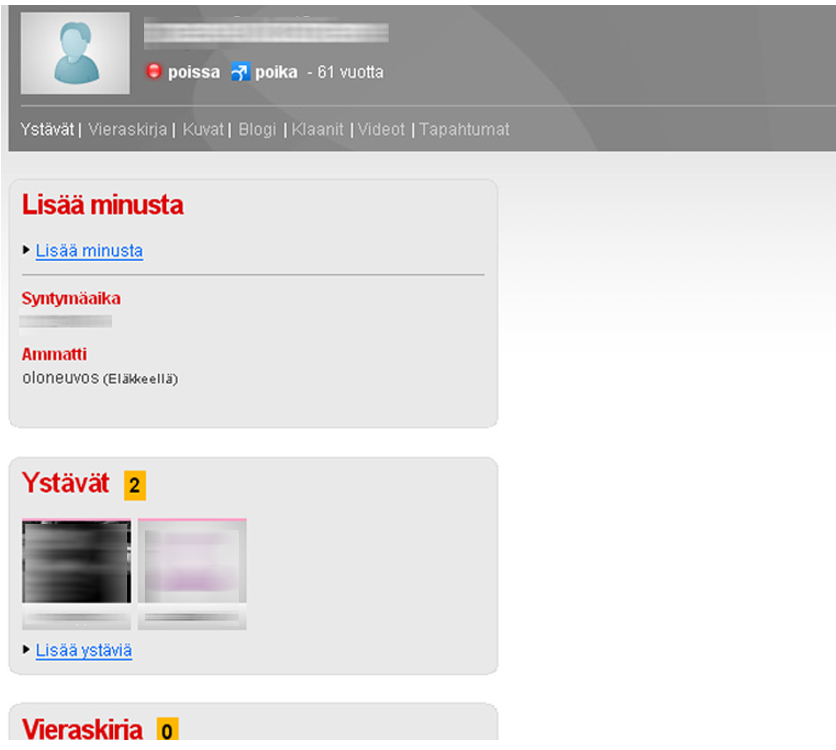
The study involved:
- Group Interviews: Pre- and post-intervention discussions.
- Observation: Tracking how often (and if) participants updated profiles or added "friends."
- Qualitative Analysis: Identifying the cultural "mismatch" between the device and the life-stage.
Key Insights: Why They Don't "Post"
The study highlights three core barriers that go beyond simple usability:
1. The Cost of the "Common Frame"
For older adults, friendship is about stability and "hand-picked relatives." They have established ways of communicating—phone calls for intimacy, email for tasks. An SNS requires them to learn a new, "colder" way to interact that lacks the social cues they value. Without their entire social circle switching at once (the Critical Mass problem), there is no incentive to move.
2. Fear of the "Social Blunder"
Privacy isn't just about hackers; it's about social reputation. Participants were terrified of hitting the "wrong key" and accidentally broadcasting a private thought to the public. They found the distinction between a "blog," "guestbook," and "private message" confusing and dangerous.
3. Superficiality vs. Reciprocity
Older adults value meaningful reciprocity—helping a friend in a crisis. They viewed SNS "friendships" as superficial. Posting a status like "I'm going to lunch" felt absurd—if a friend needed to know, they would call.
Deep Insight: Designing for "Dignity"
The paper concludes with a pivotal design shift. Instead of making the UI "bigger and simpler," we must make it more intentional.
- Social Entry: Stop treating SNS as a "self-service" download. Introduce these platforms through Social Events where pairs of friends join together, extending their offline "frame" into the online space.
- Privacy by Intent: Move away from complex, automated privacy settings. For older adults, every post should require a specific "Who is this for?" selection to prevent the anxiety of accidental disclosure.
Conclusion
This study serves as a reminder that technology is not culturally neutral. The "baby boomer" generation doesn't necessarily lack the skills to use SNS; they often lack the motive because the platforms' values—publicity, rapid self-disclosure, and weak ties—are antithetical to the "meaningful ties" they have spent 60 years cultivating.