
Beyond the Banner: Turning Social Media Ads into Interactive Stories
Online Advertising as a New Story: Effects of User-Driven Photo Advertisement in Social Media
This paper introduces a "User-Driven Advertising Model" that integrates commercial advertisements with user-generated photo content on social media. Utilizing psychological mechanisms like the self-referential effect, the model overcomes traditional "Banner Blindness" by embedding brand identities within the social context of friends' posts.
TL;DR
Marketing in the mobile age is a battle against Banner Blindness. This paper presents a paradigm shift: instead of fighting for attention with disruptive banners, why not let users drive the advertisement themselves? By integrating brand logos into personal photos, the researchers triggered psychological mechanisms that nearly tripled advertisement recall rates on social media.
The Problem: Why We Ignore Traditional Ads
The rise of mobile connectivity has created a paradox for advertisers. While we are more connected than ever, we have developed a digital immune system against advertisements.
- Banner Blindness: We have trained our brains to filter out everything that looks like a static rectangle on a screen.
- The Screen Real Estate Crisis: On mobile, there is no "sidebar." Any ad that takes up space feels like an intrusion into our private social interactions.
- Lack of Interactivity: Most ads are dead ends—static images that offer no value or entertainment.
The Methodology: The Psychology of "Me"
Rather than relying on better graphics, the authors relied on Psychological Encoding. The "User-Driven Advertising Model" is built on three pillars:
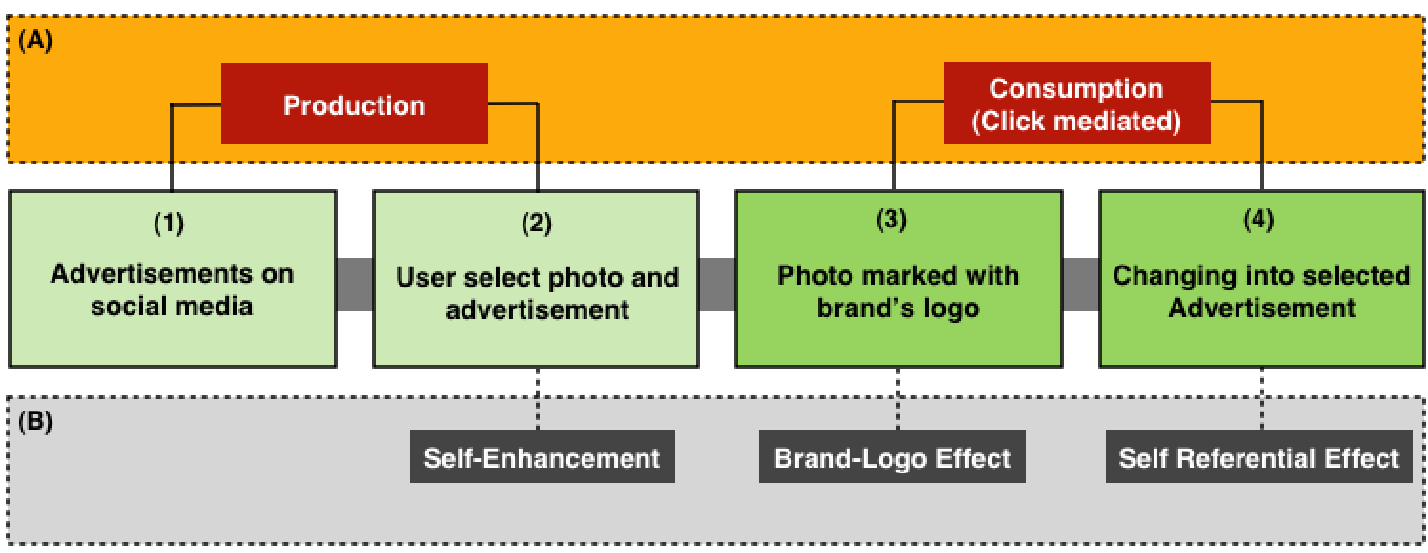
- Self-Referential Effect: We process information more deeply when it is linked to ourselves or people we care about. An ad attached to a friend's photo isn't "noise"; it's part of a social story.
- Brand-Logo Effect: Logos act as emotional cues. When a logo is placed on a personal photo, it inherits the emotional warmth of the content.
- Self-Enhancement: Users are willing to share brand messages if they feel those messages reinforce their own identity or "cool factor."
The User Experience Flow
Instead of an algorithm placing a banner, a user chooses an ad to "attach" to their photo. A small, non-obtrusive logo appears on the photo in the newsfeed. When a friend clicks the logo, the photo transitions into a full-screen brand experience.
Experiments: Proof in the Recall
The team developed a prototype based on Facebook's interface to test their theory against 103 participants.
1. The Attention Test
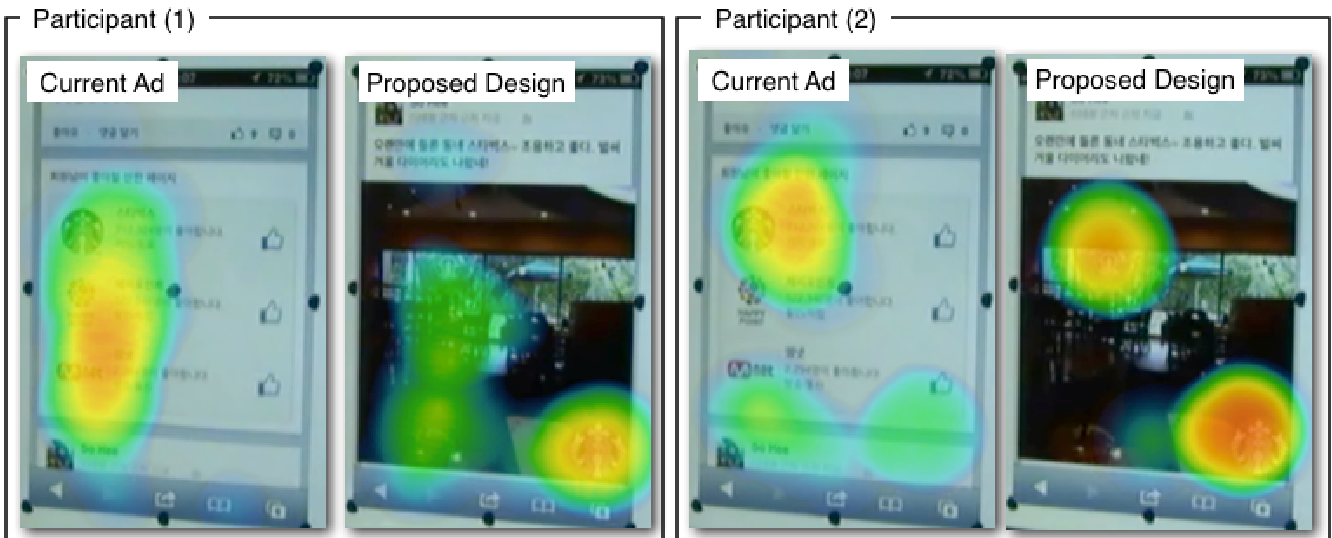
Using eye-tracking technology, they compared how users looked at traditional ads versus the "New Story" ads. The results showed that the brand logo on a friend's photo was just as effective at grabbing attention as a massive banner, but without the negative "irritation" score.
2. The Memory Test
The most striking result was the Retrieval Rate. When asked to recall ads they had seen:
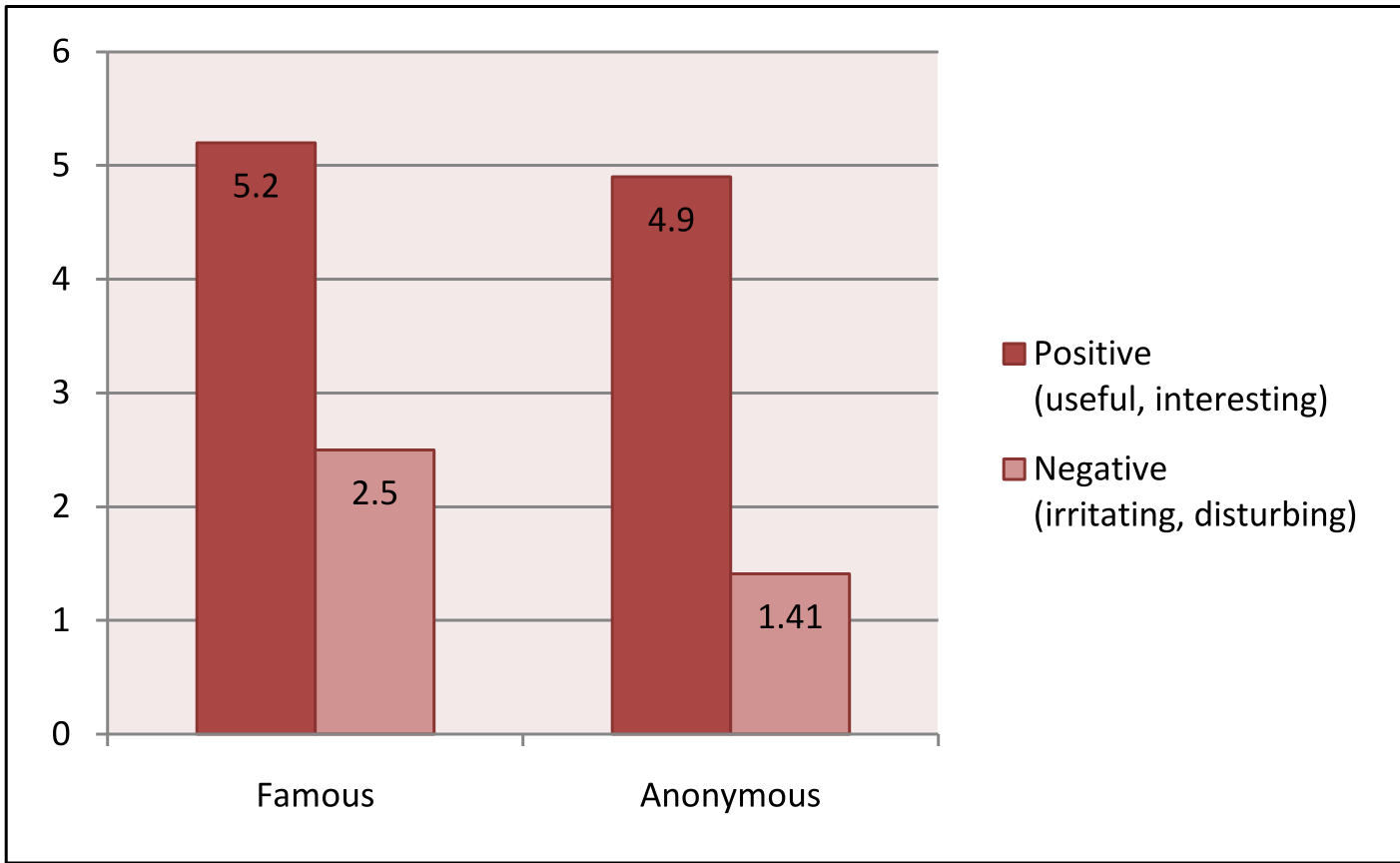
- Famous Brands: Recall surged from 1.56 items (current design) to 4.22 items (new design).
- Anonymous Brands: Even unknown brands saw a significant boost in memorability when attached to personal photos.
Deep Insight: Why It Works
The genius of this approach is that it moves from Contextual Targeting (showing you a shoe ad because you searched for shoes) to Social Targeting (showing you a shoe ad because your friend "wears" the brand in their digital story). It transforms the advertisement from an "interruption" into a "recommendation."
Future Outlook & Limitations
While highly effective, the study notes a few hurdles:
- Motivation: Why would a user want to put an ad on their photo? Future research needs to explore incentives (e.g., gamification or rewards).
- Saturation: If every photo has a logo, will the "Logo Blindness" set in?
- Platform Diversity: The model needs testing on more visual-heavy platforms like Pinterest or Instagram-style layouts where the photo is the primary value.
In conclusion, this paper proves that the future of advertising isn't bigger banners, but better stories—driven not by algorithms, but by the users themselves.