
Gamifying the News: Bridging the Digital Divide for the Silver Generation
Online News and Gamification Habits in Late Adulthood: A Survey
This paper presents a cross-sectional survey study involving 248 older adults (aged 50+) across 16 countries to examine their online news consumption and gamification habits. It identifies key motivations for digital engagement and proposes specific gamification strategies for the "miOne" online community to enhance senior citizens' participation in social journalism.
TL;DR
As the global population ages, the "Silver Generation" is becoming a powerhouse of digital consumption. However, the journalism industry is struggling to keep them engaged. This research explores how gamification—the use of game elements in non-game contexts—can be tailored to older adults to transform them from passive news readers into active "prosumers" within online communities.
Background: The Rise of the Silver Prosumer
We often hear the stereotype that older adults are "tech-averse." This paper debunked that myth, showing a rapid growth in internet usage among those aged 50+. However, there is a distinct gap: while they use the internet for emails and banking, news consumption remains tethered to traditional media like TV and radio.
The researchers argue that the transition to Cyberjournalism requires more than just moving text to a digital screen; it requires fostering a sense of community. This is where the concept of the "prosumer"—one who both consumes and produces information—becomes vital.
The Problem: Innovation Without Inclusion
Current digital news platforms are designed for "digital natives," often ignoring age-related impairments such as:
- Physiological: Slower motor movements and visual changes.
- Psychological: A lack of self-confidence in using new technologies.
- Social: The risk of isolation, which accelerates cognitive decline.
The motivation for this study was to find out if gamification (points, badges, challenges) could act as the "social glue" to encourage older adults to overcome these barriers.
Methodology: Listening to 248 Seniors
The researchers distributed a comprehensive questionnaire across 16 countries during the height of the COVID-19 pandemic (June-July 2020). They categorized participants into three groups:
- Pre-seniors (50-64)
- Young-old (65-74)
- Old (75+)
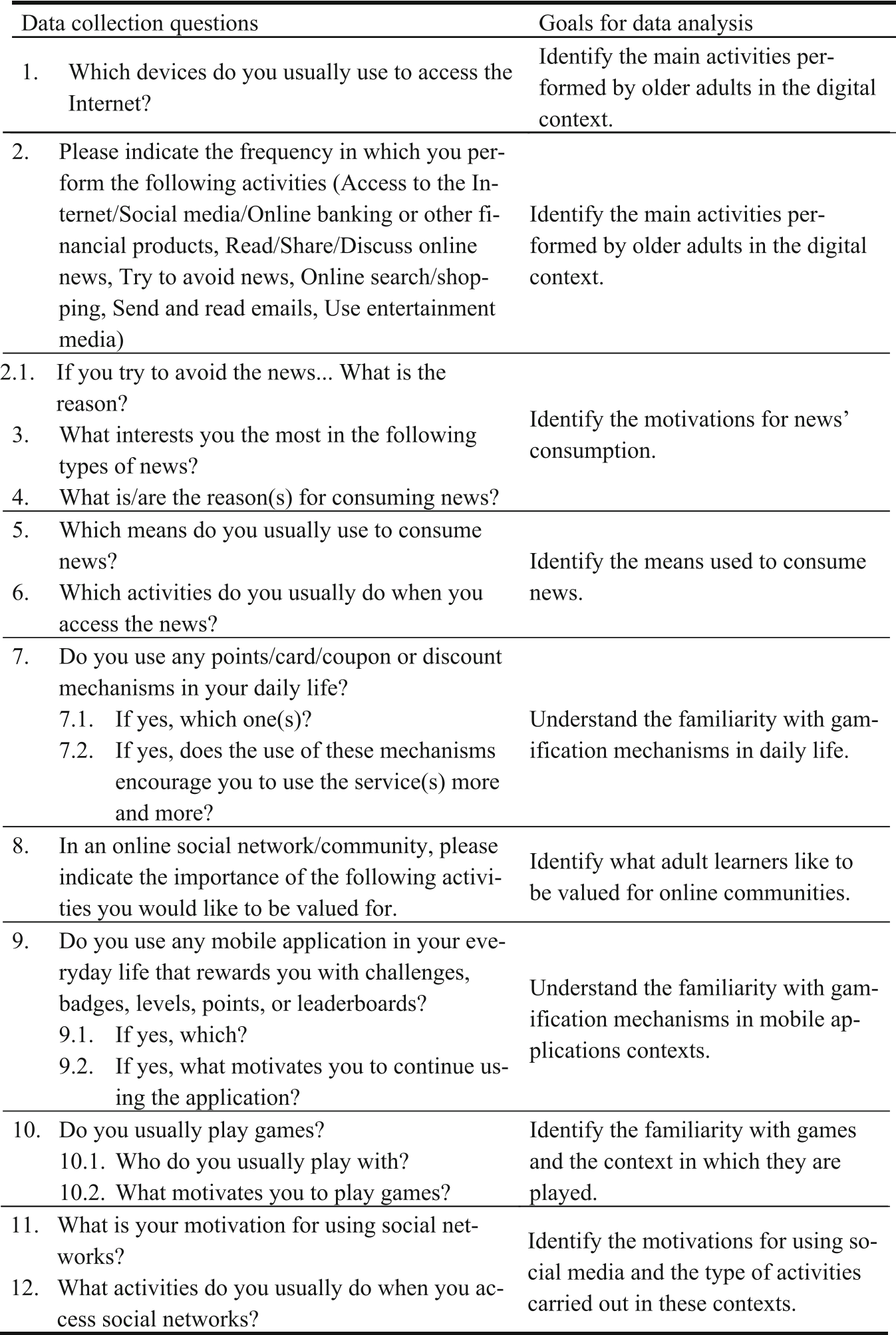
Key Survey Goals:
- Identify preferred devices (PC vs. Smartphone).
- Measure familiarity with game mechanics (Discounts vs. Apps).
- Determine which social activities seniors value most.
Deep Insight: What Motivates the Older Reader?
Interestingly, the study revealed a "Gamification Paradox." While most seniors (65%) are very familiar with "real-world" gamification like loyalty cards and coupons, very few (around 11%) use gamified apps.
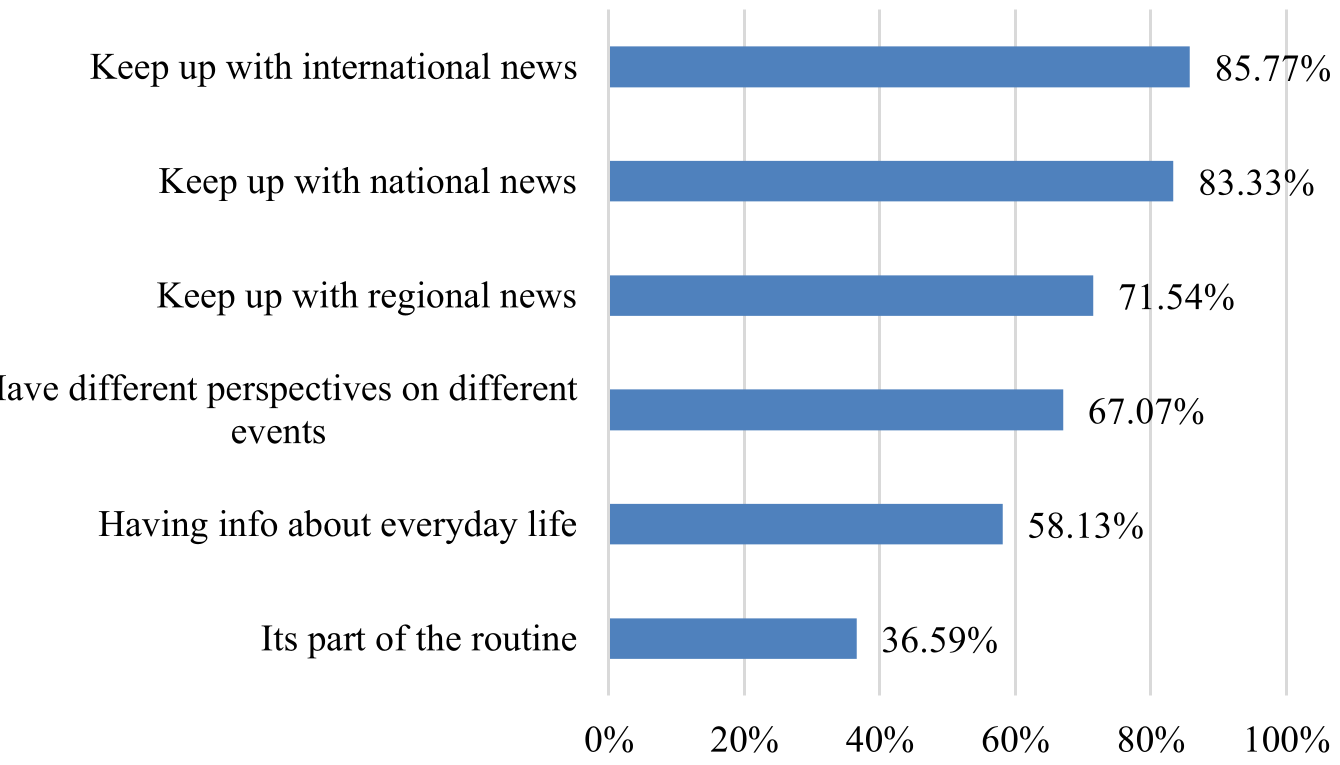
When it comes to news, their motivations are deeply rooted in social responsibility:
- Staying Informed: Following world and national events.
- Perspective: Seeking different views on a single event.
- Routine: News consumption as a core part of their daily life.
The Gamification Design Blueprint
The most valuable finding for developers and journalists is what older adults want to be valued for. Unlike younger demographics who might chase leaderboards for "clout," seniors prioritize:
- Group Activity: Working together toward a shared goal.
- Social Interaction: Frequency of communication with others.
- Debate & React: Having their opinions on the news heard and acknowledged.
Critical Analysis: Beyond Points and Badges
The study concludes that for the "miOne" community and future news apps, gamification shouldn't just be about "winning." It should be about empowerment.
SOTA Comparison: While younger users might respond to "competition," this paper suggests that older adults respond to "connection." A leaderboard might actually discourage a senior user, whereas a "Community Contributor" badge that highlights their role in a debate would be highly effective.
Conclusion and Future Outlook
This research provides a roadmap for "Social Journalism." By valuing group discussions and the sharing of diverse perspectives, news platforms can combat the social isolation of the elderly while simultaneously boosting user engagement.
Limitations noted: The study was conducted during the 2020 lockdowns, which likely inflated digital usage stats. Future research must determine if these "pandemic habits" persist in a post-quarantine world.
The Takeaway: To engage the silver generation, don't build a game; build a community where they can finally be recognized as the "informed elders" they are.