
Beyond the Screen: How Power and Politics Shape Groupware-Mediated Knowledge Working
Participation in groupware-mediated communities of practice: a socio-political analysis of knowledge working
This paper presents a socio-political analysis of groupware-mediated knowledge working in a UK pharmaceutical company. It introduces the conceptual framework of "Safe vs. Political Enclaves" to explain how the introduction of Lotus Notes both enabled and constrained participation within Communities of Practice (CoP).
TL;DR
Knowledge management isn't just about the tools—it's about the stage upon which those tools are used. This paper explores why groupware like Lotus Notes often fails to foster genuine collaboration, arguing that organizational politics turn shared databases into "Political Enclaves" for career posturing rather than "Safe Enclaves" for learning. By analyzing a UK pharma giant, Hayes and Walsham reveal that the most valuable knowledge work often happens in the "shadows" through subversive workarounds.
The Visibility Trap: Why Transparency Isn't Always Good
The common management wisdom suggests that "transparency" leads to efficiency. However, Hayes and Walsham argue that when technology (like groupware) makes work visible to senior management, it transforms from a tool of collaboration into a tool of surveillance. This creates a "front-stage" performance where employees stop sharing raw insights and start curating an image that satisfies the "league tables" of corporate metrics.
Methodology: Safe and Political Enclaves
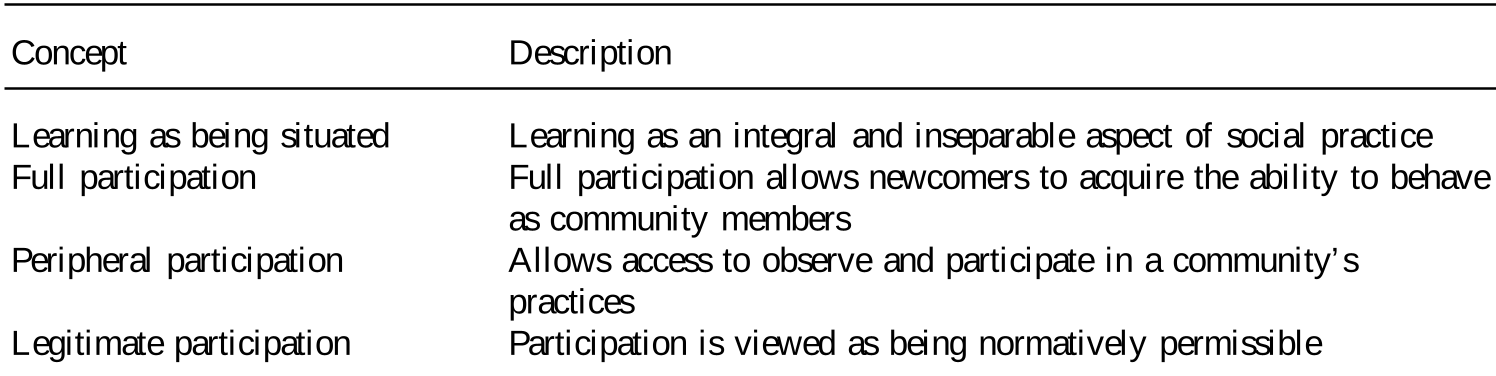
The authors extend the work of Lave and Wenger (1991) using Goffman's dramaturgical lens:
- Political Enclaves (Front Stage): These are visible, formal forums. In the pharma case (Compound UK), these included contact recording databases and national discussion boards. Participation here was often "hollow"—ambitious reps used them to "shout the loudest" to get noticed by directors, while experienced reps did the bare minimum to avoid negative attention.
- Safe Enclaves (Back Stage): These are private or community-specific spaces where employees feel "safe" to express underlying views and reflect on failures.
Case Study: The "League Table" Culture at Compound UK
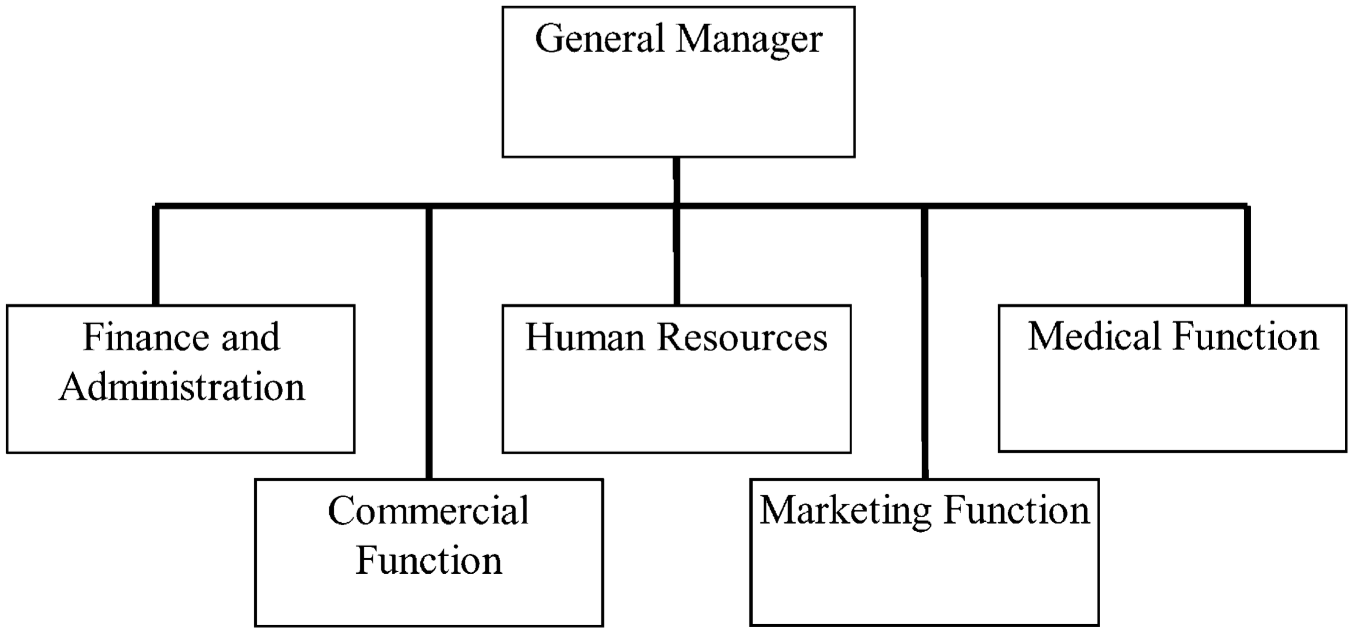
Compound UK introduced Lotus Notes to bridge functional divides between sales reps in the field and medical staff in the head office. However, the system was quickly co-opted for control:
- The Surveillance Motivation: Managers used "league tables" to track the quantity of doctor visits rather than the quality of the insights gained.
- The Career Reward Loop: Ambitious, younger reps filled the database with irrelevant data to please senior managers, creating a "homogenization of perspectives" where no one dared to challenge the status quo.
The "Mitigators": The Heroes of Knowledge Work
The paper's most fascinating find is that genuine knowledge work was saved by "mitigators". Certain area managers and medical advisors (like the character James Black) realized that the technology was stifling real conversation.
Their Workarounds included:
- "Feeding the Beast": Advising reps to enter "dots" or "commas" in the system to satisfy the metrics without wasting time on political posturing.
- Moving to the Shadows: Intentionally taking high-stakes conversations off-line to telephones or face-to-face lunch meetings where people could speak freely without being "monitored by the screen."
- Rewarding Quality: Using discretionary salary bonuses to reward actual collaboration rather than just database entry volume.
Critical Insight: Extending the Theory of Situated Learning
The authors offer a sharp critique of Lave and Wenger's Legitimate Peripheral Participation (LPP). They argue that:
- Community is not Homogeneous: People don't just "join a community"; they form sub-groups based on motivation (e.g., careerists vs. non-careerists).
- Master/Apprentice is Outdated: In modern knowledge work, the goal isn't to become a "master" of everything, but to become "competent enough" to synergize across functions.
- Legitimacy is a Power Struggle: Whether someone is "allowed" to participate is determined by the socio-political struggle for power within the firm.
Conclusion: Future Outlook
The takeaway for 2026 and beyond is clear: as we move into an era of AI-driven surveillance and automated performance tracking, the need for "Safe Enclaves" is more critical than ever. Technology designers and managers must realize that you cannot "manage" knowledge through metrics alone. True innovation requires the ability to step away from the corporate performance and engage in the messy, unmonitored, and human practice of "knowing."
Key Limitation: The study focuses on a specific organizational crisis (the NHS reform). Whether these enclaves form in same-way in decentralized DAOs or fully remote tech startups remains a fertile ground for future research.