
PSO-Based Optimum Design: Engineering Slimmer and Stronger Steel Frames
Optimum design of unbraced steel frames to LRFD–AISC using particle swarm optimization
The paper presents a discrete Particle Swarm Optimization (PSO) algorithm designed for the minimum weight design of unbraced steel frames. The method selects optimal W-sections from the standard LRFD-AISC list while satisfying complex structural constraints including lateral torsional buckling and inter-storey drift.
TL;DR
This study introduces a specialized Particle Swarm Optimization (PSO) algorithm tailored for the discrete world of structural steel design. By treating standard steel section IDs as sequence numbers and implementing an adaptive constraint-handling "fly-back" mechanism, the researchers successfully reduced frame weights by up to 8.76% compared to traditional Genetic Algorithms, strictly adhering to LRFD-AISC safety standards.
Background & Motivation: The Discrete Reality of Engineering
In academic theory, optimization is often a smooth surface of continuous variables. In the real world of civil engineering, however, you cannot order a beam that is 14.325 inches deep; you must choose from a manufacturer's catalog of discrete W-sections.
Existing methods like Genetic Algorithms (GA) and Simulated Annealing (SA) have been used to navigate this "choose-from-a-list" problem, but they often struggle with the sheer complexity of unbraced frames. Unbraced frames rely on the stiffness of their connections to resist lateral loads (like wind), making the search space for the "optimum weight" highly non-linear and riddled with constraints.
Methodology: Simulating Social Intelligence for Steel
The authors leveraged the biological intuition of Swarm Intelligence. Just as a flock of birds finds the best feeding ground by sharing individual discoveries, the PSO algorithm uses a population of "particles" (candidate designs) that fly through the solution space.
1. Mapping Discrete Sections
To handle the discrete nature of AISC profiles, the algorithm maps 272 standard W-sections to an integer sequence .
2. The Fly-Back & Adaptive Error Mechanism
One of the primary challenges in structural optimization is the Constraint Violation. A design might be light but fail under wind load. The authors implemented:
- Fly-Back Mechanism: If a particle flies into an "illegal" zone (unsafe design), it is discarded or forced back.
- Adaptive Error Strategy: Early in the simulation, the algorithm is "lenient" with slight constraint violations to allow exploration. As the "generations" progress, the tolerance tightens to a strict error margin, ensuring the final output is 100% code-compliant.
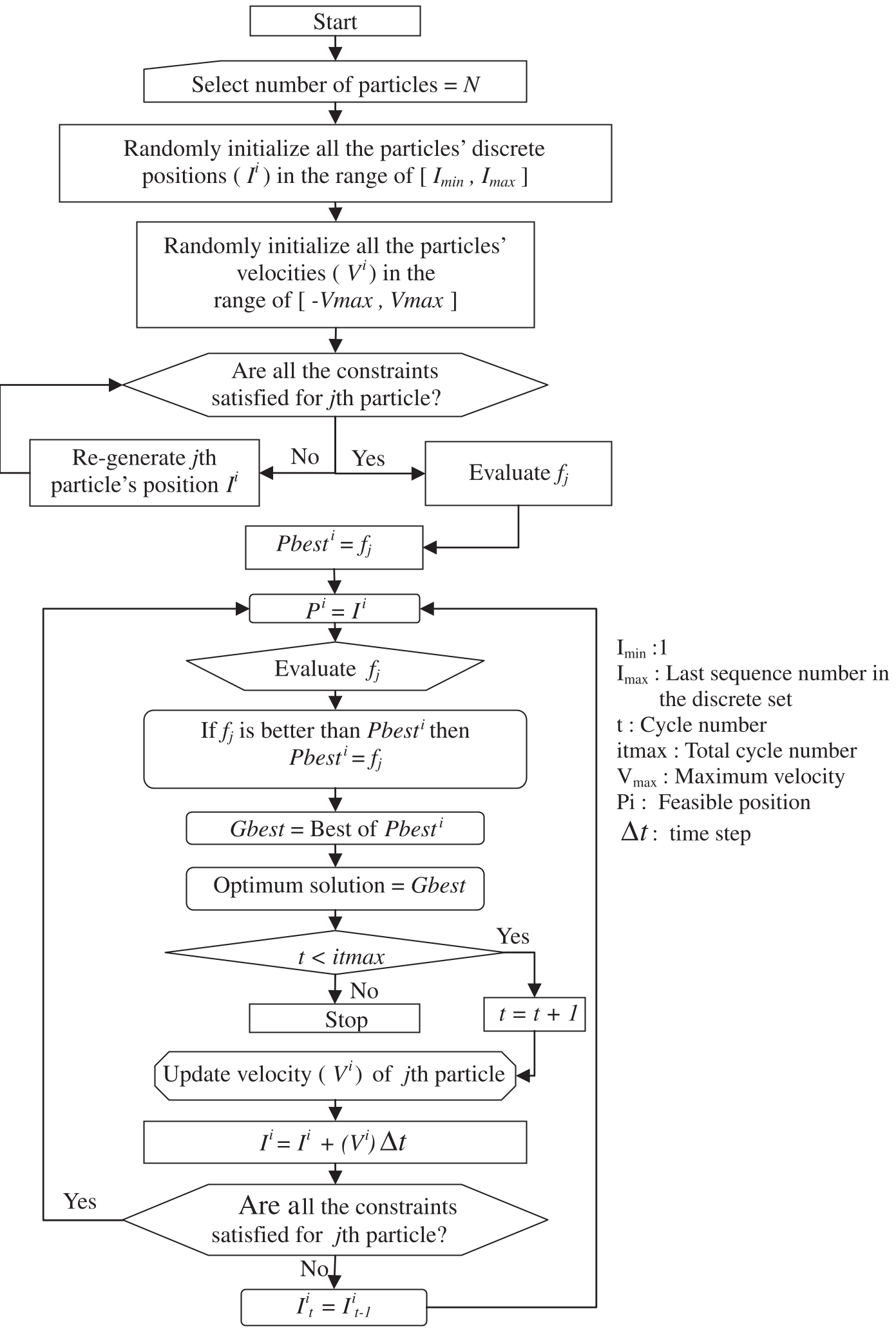 Figure 1: The logical flow of the discrete PSO algorithm, from initialization to convergence.
Experiments: Breaking the SOTA
The researchers tested their PSO algorithm against three benchmark frames. The results were consistently superior:
- 6-Storey Frame: Outperformed Harmony Search by 3.8%.
- 10-Storey Frame: Achieved a lighter weight ( lb) than established Genetic Algorithm results ( lb).
- 15-Storey Frame: This was the most significant victory. The PSO design weighed 37,360 kg, significantly undercutting Simulated Annealing ( kg) and simple GA ( kg).
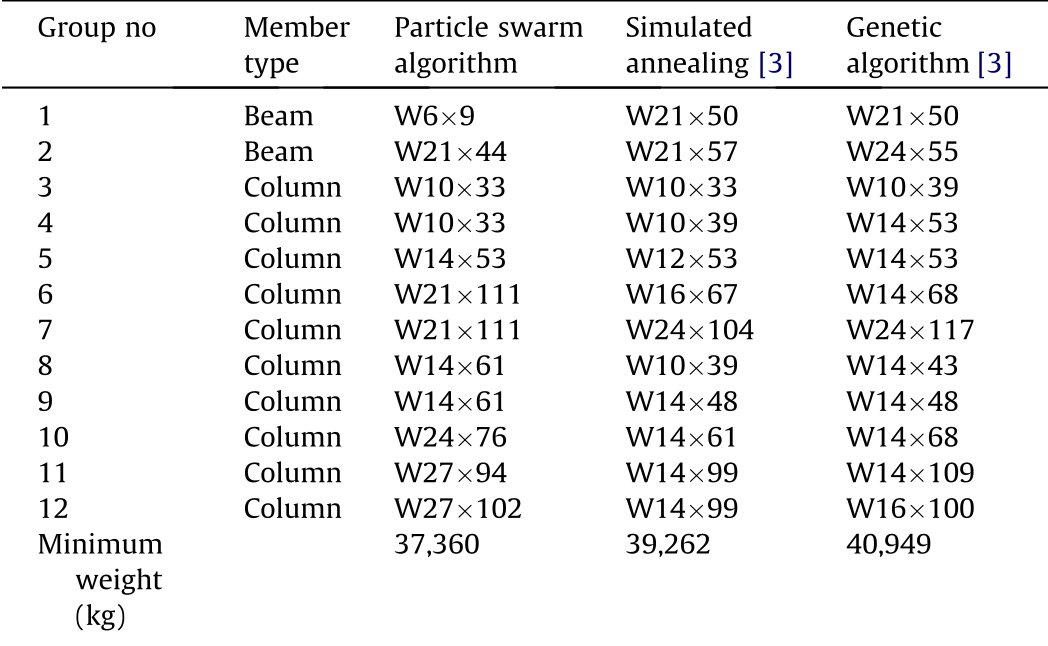 Table 1: Final weight comparisons showing PSO's dominance in the 15-storey 3-bay frame example.
The "Design History" graphs reveal that while other methods plateaus early, the PSO's adaptive strategy allows it to continue finding small weight shavings late into the iteration cycle.
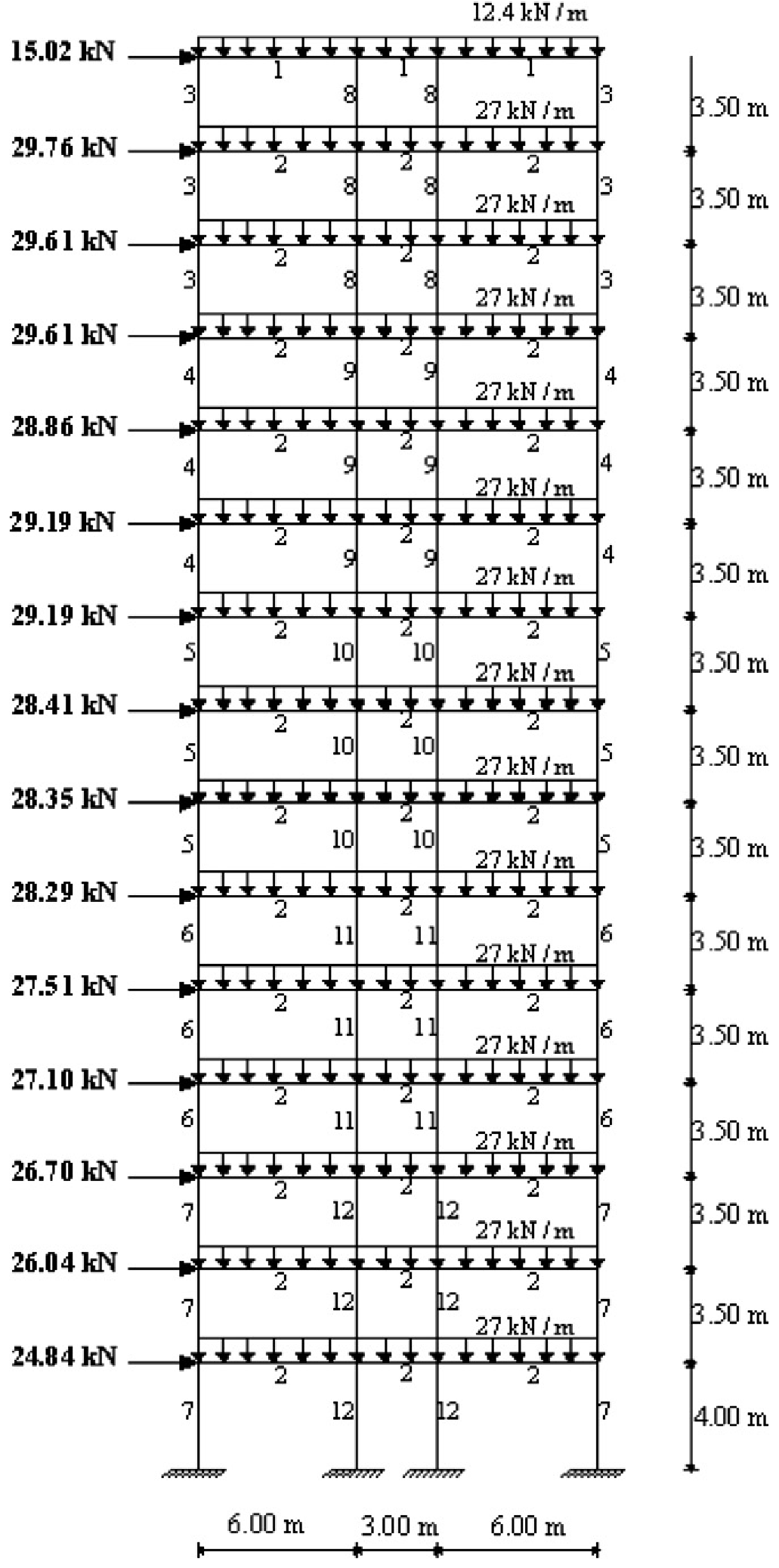 Figure 2: Convergence curve of the 15-storey frame, showing steady weight reduction over 8,000 cycles.
Critical Insight & Conclusion
Why does PSO win here? The secret lies in the balance between exploration and exploitation. By using the sequence numbers of the AISC list as the search dimension and allowing a "fuzzier" constraint boundary in the early stages, the algorithm avoids getting stuck in the local optima that plague Genetic Algorithms.
Implications for the Industry:
- Material Efficiency: Shaving 5-8% of steel weight from a high-rise translates to massive cost savings and a lower carbon footprint.
- Automation: This approach allows for a "push-button" optimization of frames that still guarantees satisfaction of the rigorous AISC-LRFD safety codes.
Limitations: The study focuses on 2D plane frames. In real-world 3D scenarios, torsional effects and biaxial bending would significantly increase the constraint complexity, likely requiring even more sophisticated swarming behaviors.