
PC4HC: Revolutionizing Patient Empowerment through Persuasive m-Health Communication
PC4HC: Personalized communication for health care
PC4HC (Personalized Communication for Health Care) is a SaaS communication platform designed for multimorbidity management, specifically validated for dialysis patients. It integrates heterogeneous data from IoT wearables, medical devices, and clinical records to deliver personalized, interactive video communications aimed at patient empowerment.
TL;DR
The PC4HC (Personalized Communication for Health Care) project introduces a cloud-based SaaS platform designed to transform raw medical data into personalized, persuasive communications. By integrating IoT wearable data with clinical information from dialysis machines, the system uses interactive videos to empower patients with multimorbidity, driving behavioral changes and improving therapeutic outcomes.
Background Orientation: This work is a strategic system-level innovation that bridges the gap between Big Data analytics and behavioral psychology (Persuasive Computing). It positions itself as a disruptive tool for the "Personalized Health" sector, specifically targeting the high-cost management of chronic diseases.
The Motivation: From Data Overload to Patient Awareness
Modern healthcare faces a dual crisis: aging populations with multimorbidity and skyrocketing management costs. While m-health (mobile health) tools are abundant, they often suffer from two major flaws:
- Data Silos: Information from wearable sensors is rarely combined effectively with clinical records and specialized equipment (like dialysis machines).
- Engagement Gap: Simply showing a patient a graph of their vital signs rarely leads to sustained lifestyle changes.
The PC4HC project stems from the insight that knowledge is not enough; persuasion is required. The authors argue that by using "Persuasive Computing," technology can move beyond mere monitoring to actively modifying habits and lifestyle choices through increased awareness.
Methodology: The Four-Module Architecture
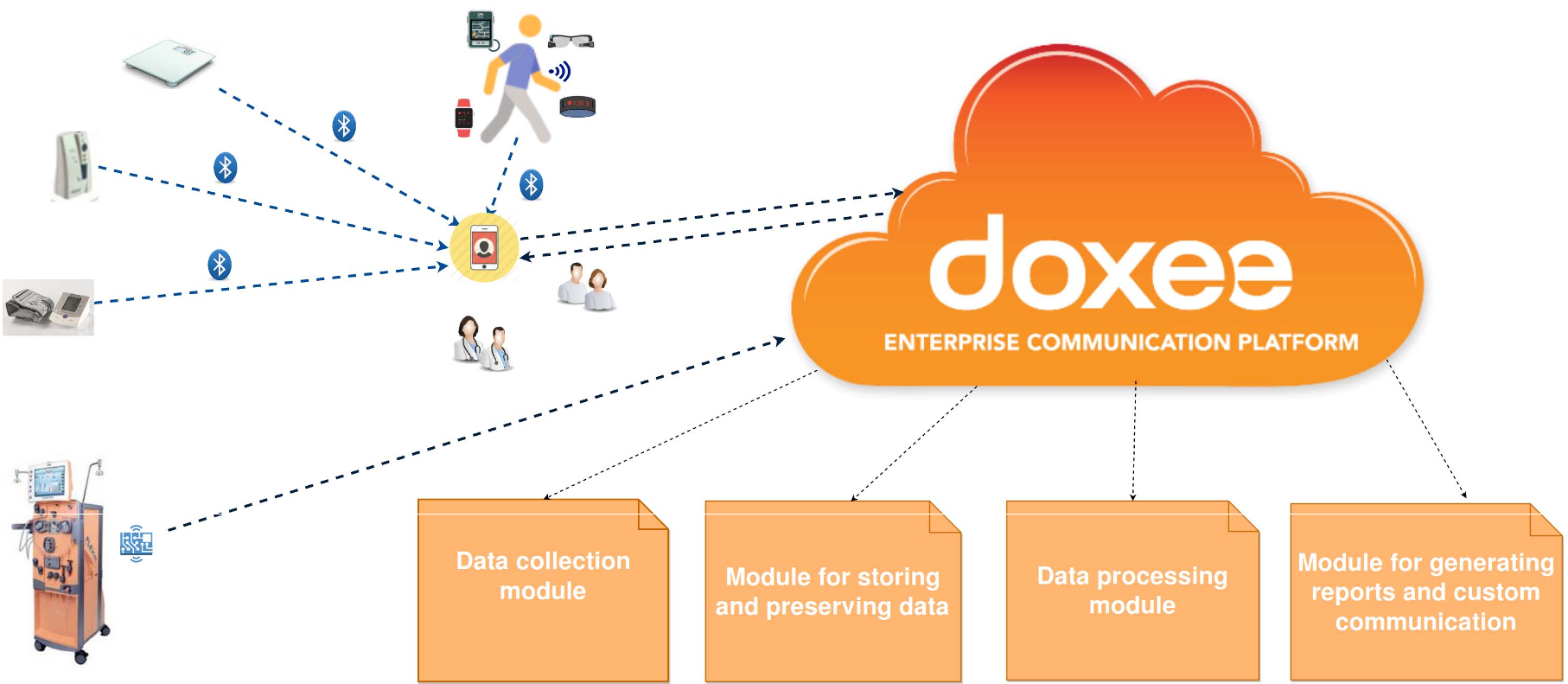
The PC4HC platform is built on the AWS Cloud to handle the volume and velocity of Big Data generated by continuous monitoring. The system's logic is divided into four distinct functional pillars:
- Data Collection: Gathers data from smartphone interfaces (motor activity), diagnostic tools (electronic scales), and directly from dialysis machines via dedicated hardware cards.
- Storage and Preservation: Interprets and retains the heterogeneous data stream.
- Data Processing: This is the "brain" where Data Mining identifies associations between variables (e.g., correlating physical activity with weight loss patterns).
- Reporting and Generation: The "action" layer, utilizing the Doxee Enterprise Communication Platform to produce high-impact, personalized interactive videos.
The Core Innovation: Persuasive Video Communication
The standout feature of PC4HC is its choice of Interactive Video as the primary communication medium. Unlike static push notifications, these videos are:
- On-Demand & Personalized: Content is unique to each patient’s specific clinical picture.
- Bi-Directional: Patients can leave feedback on medication intake or symptoms directly within the video interface.
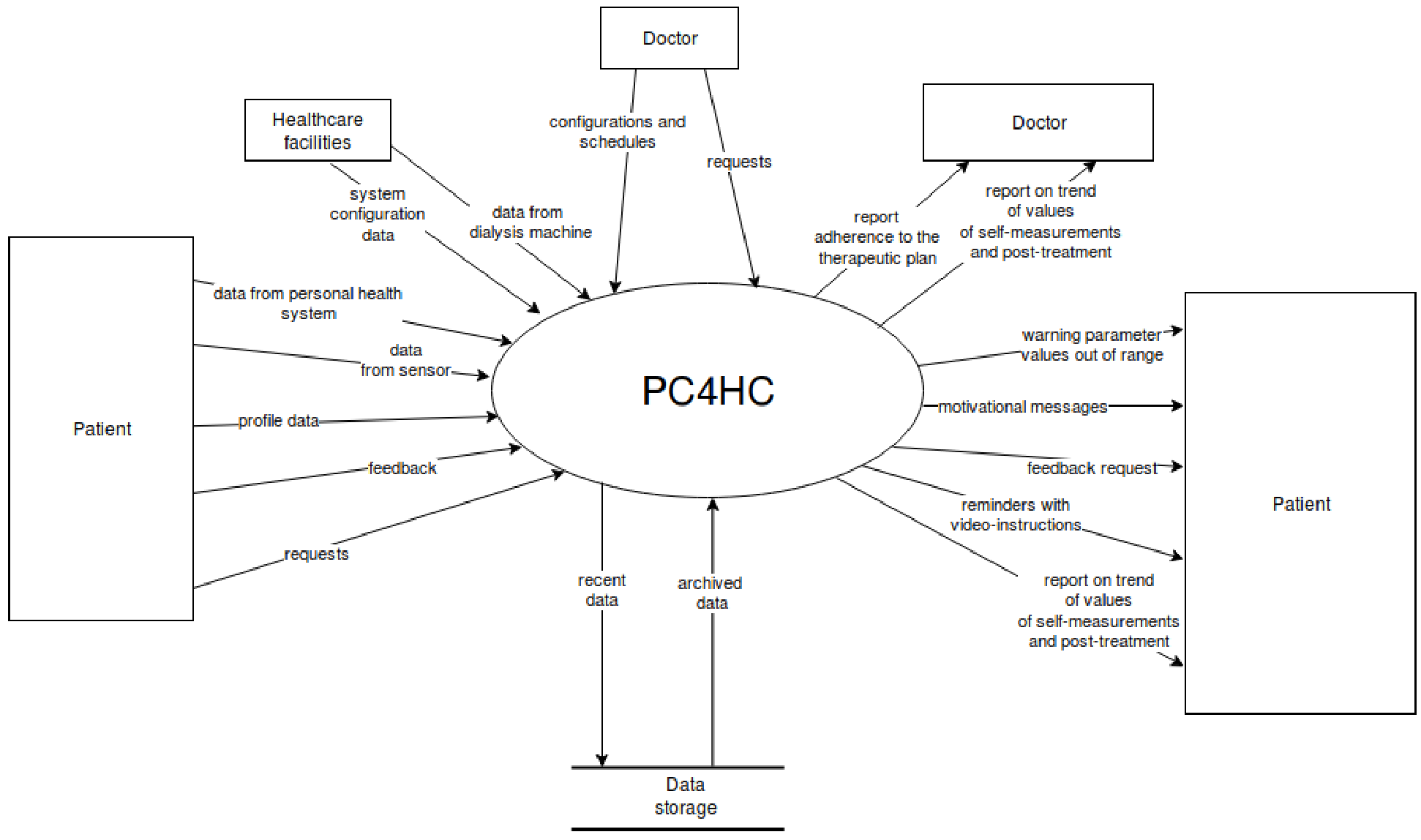
- Actionable: Instead of raw numbers, patients receive guidance on hydration, diet, and motor profiles, translated from complex dialysis metrics like hematocrit and venous pressure.
Experiments & Validation: The Dialysis Case Study
The platform's validation focuses on patients undergoing dialysis—a condition requiring strict adherence to diet, fluid intake, and medication.
- Data Integration: The system successfully correlates blood temperature, oxygen saturation, and weight loss from dialysis treatments with the patient's home-base measurements.
- Predictive Insights: The Data Mining module was used to predict the consistency of weight loss during treatments, identifying key variables that doctors can use to fine-tune therapy.
- Adherence Tracking: Physicians receive automated reports on the patient’s adherence to the therapeutic plan, allowing for remote monitoring and "on-time" clinical interventions.
Critical Analysis & Future Outlook
Takeaway: PC4HC demonstrates that the future of m-health lies in integration and interpretation. By moving the focus from the clinician to the patient (empowerment), the system reduces the burden on healthcare facilities while improving the patient's quality of life.
Limitations: While the SaaS model on AWS provides scalability, the paper does not deeply address data privacy and GDPR compliance, which are critical for sensitive medical data. Furthermore, the efficacy of "persuasion" over long-term periods (years) remains to be documented in a large-scale longitudinal study.
Future Work: The architecture's flexibility allows for expansion into other chronic conditions like diabetes or heart failure. The integration of more advanced AI for real-time risk prediction could further elevate the platform from a communication tool to a preventive intervention system.