
Beyond the Feed: Pedagogical Blueprints for Implementing Social Networks in Schools
Pedagogical Principles of the Implementation of Social Networks at Schools
This paper explores the integration of Social Network Sites (SNSs) in schools, categorizing their types and defining a framework for their implementation. It establishes pedagogical principles derived from historical educational theories (e.g., Comenius) to enhance student motivation and communication among stakeholders.
TL;DR
Social networks are no longer just tools for leisure; they are vital educational infrastructures. This paper moves beyond the hype to provide a structured methodology for school implementation, emphasizing that the "how" (pedagogy) is more important than the "what" (technology). By rooting modern digital tools in the 17th-century principles of Jan Amos Comenius, the authors bridge the gap between historical wisdom and future-ready classrooms.
Background & Positioning
In the landscape of educational technology, this work serves as a strategic framework. While most literature focuses on the effects of social media consumption, Klimova and Poulova focus on the implementation architecture. It positions the school as a multi-stakeholder network where students, teachers, parents, and administrators require distinct functionalities within a unified digital ecosystem.
The Core Motivation: Why Existing Methods Fail
The authors identify a critical gap: schools often adopt technology without a pedagogical roadmap. Prior work has largely ignored the complex relationship between stakeholders. The "social" aspect is often treated as a distraction rather than a motivational lever. The authors argue that by treating the school network as a specialized relational net—a concept traced back to Professor Barnes' study of Norwegian fishermen—we can transform passive information consumption into active social learning.
Methodology: The Four-Phase Framework
The paper breaks down implementation into a rigorous lifecycle, ensuring that the technology serves the school’s specific DNA.
1. The Strategy of Implementation
Rather than jumping straight to a platform (like Facebook), the authors insist on a "Preparatory Phase" to map school needs and ensure internet accessibility.
2. Stakeholder-Centric Architecture
A key insight of the paper is the "Functionality Matrix" for different users:
- Students: Need access to plans, grades, and peer-to-peer discussion hubs.
- Teachers: Require administrative control, individual/group messaging, and resource-sharing repositories.
- Parents: Seek a window into their children's progress and direct lines of communication with educators.
- Management: Utilizes the SNS as a digital Intranet for organizational efficiency.
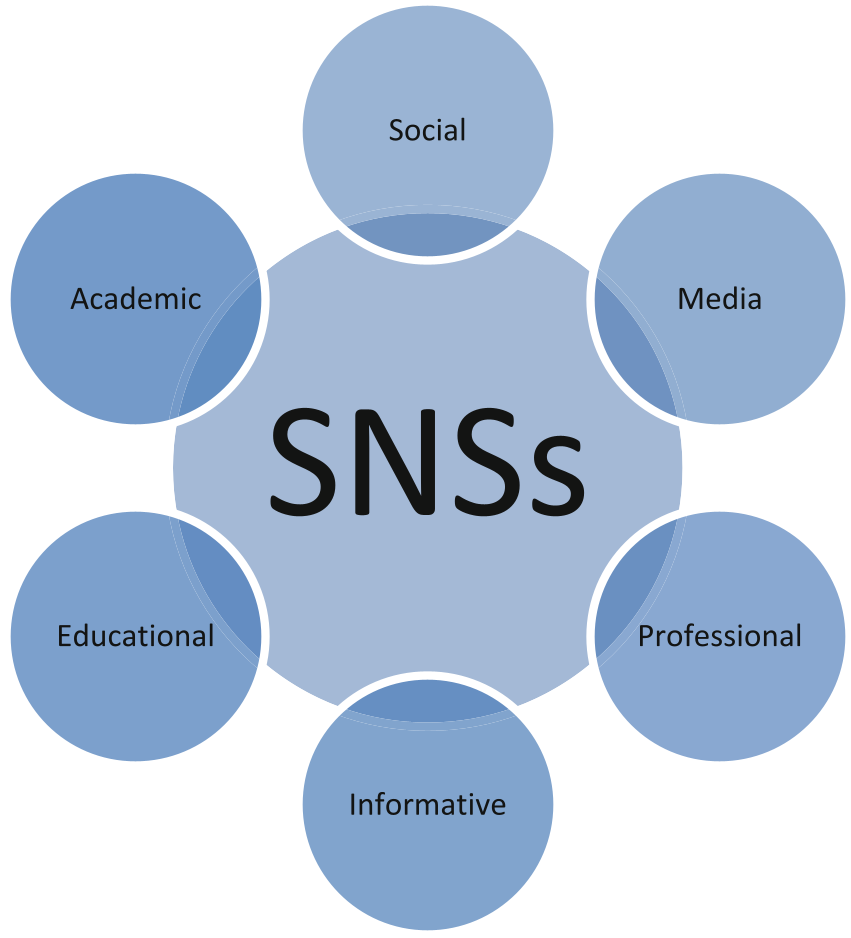 Fig. 1: Categorization of Social Network Sites by Purpose
Timeless Insights: The Comenian Connection
The most striking aspect of the methodology is the integration of Jan Amos Comenius’ principles (17th Century) into digital UI/UX design:
- Simplicity to Complexity: Content must be structured to build upon existing knowledge.
- Essence over Rote: The network should facilitate deep understanding through discussion, not just storage of PDFs.
- Stimulation: The platform’s social nature should act as a primary driver for student motivation.
Results and Comparative Performance
While the paper is largely qualitative and structural, it benchmarks the transition from general SNS (like Facebook) to dedicated educational SNS (Edmodo/Piazza).
- Feedback Velocity: Implementation leads to significantly faster feedback loops between assignments and evaluations.
- Reduced Barriers: Platforms like Facebook are already used by students for "home preparation," suggesting that formalizing these networks reduces the friction of learning.
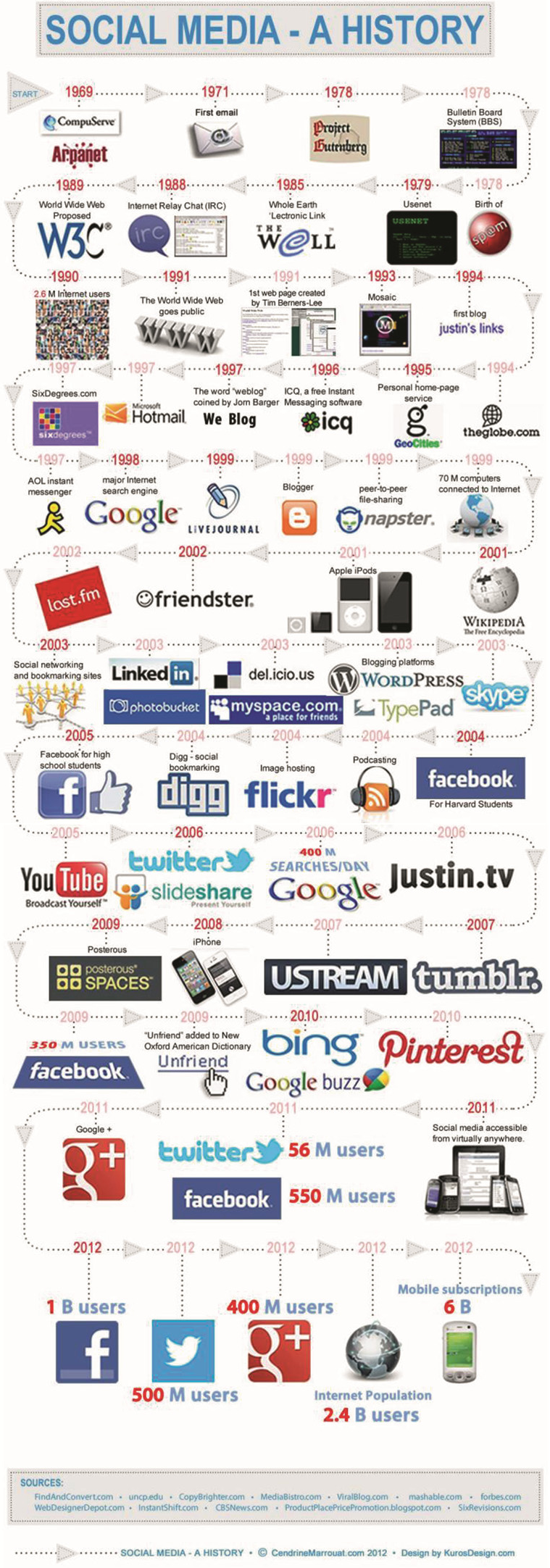 Fig. 2: The Evolution of Social Networking Concepts
Critical Perspective: Limits and Future Vistas
The Challenges
The authors acknowledge a current lack of robust research specifically focusing on the implementation of these networks vs. their mere existence. Furthermore, while the technology is ready, the "staff training" phase of their framework remains a significant bottleneck for many institutions.
The Takeaway
Social networks in schools are not a replacement for teachers; they are a multiplier for connectivity. Success isn't found in the software itself, but in the preparatory mapping of needs and the adherence to pedagogical principles that have guided human learning for centuries.
Future Outlook
The next frontier, as suggested by the authors, is the evaluation of existing platforms in real-world teaching scenarios. As we move toward more decentralized education, these relational nets will become the primary interface through which education happens.