
WeChat & Peer Instruction: Reinventing the Flipped Classroom through Social Networks
Build Up Peer Instruction Based Flipped Classroom with Social Network
The paper proposes a mixed Flipped Classroom model integrated with Peer Instruction (PI) leveraging the WeChat public platform. By utilizing pervasive social networking tools, it reconstructs the teaching workflow of the "Computer Network Experiment" course to enhance student engagement and learning outcomes.
TL;DR
This research presents a "Mixed Flipped Classroom" model specifically designed for engineering lab courses. By combining the Peer Instruction (PI) strategy with the ubiquity of the WeChat Public Platform, the authors transformed the "Computer Network Experiment" course into an interactive ecosystem. The result? A significant jump in final scores (from low 80s to high 90s) and a total shift from passive listening to active "learning-by-teaching."
The Pain Point: The "Personalization Gap" in Traditional Labs
Conventional teaching models follow a rigid "Teaching then Learning" sequence. In experimental courses, this often leads to:
- Resource Inefficiency: Teachers spend too much time repeating basic instructions.
- Low Engagement: Students often enter the lab unprepared, leading to "cookbook" style experiments without deep cognitive processing.
- The Mobile Distraction: Instead of fighting the smartphone "addiction," this paper asks: What if the smartphone became the primary learning terminal?
Methodology: The Three-Stage WeChat Ecosystem
The authors built their model on the foundation of Robert Talbert’s flipped framework, localized for the WeChat ecosystem.
1. Pre-class: Knowledge Transfer via "Cloud"
Instead of boring textbooks, teachers upload micro-videos and documents to the "WeChat Cloud." Students consume this content at their own pace. The integration of Peer Instruction starts here, as students use group chats to resolve initial doubts before even stepping into the lab.
2. In-class: Internalization & The "PI" Strategy
The classroom is no longer for lecturing; it’s for Action and Sharing. Following the "Attention-Interest-Exploring-Action-Sharing" rule, students conduct experiments and present their findings. The Peer Instruction element allows students to guide each other, broadening their thinking dimensions.
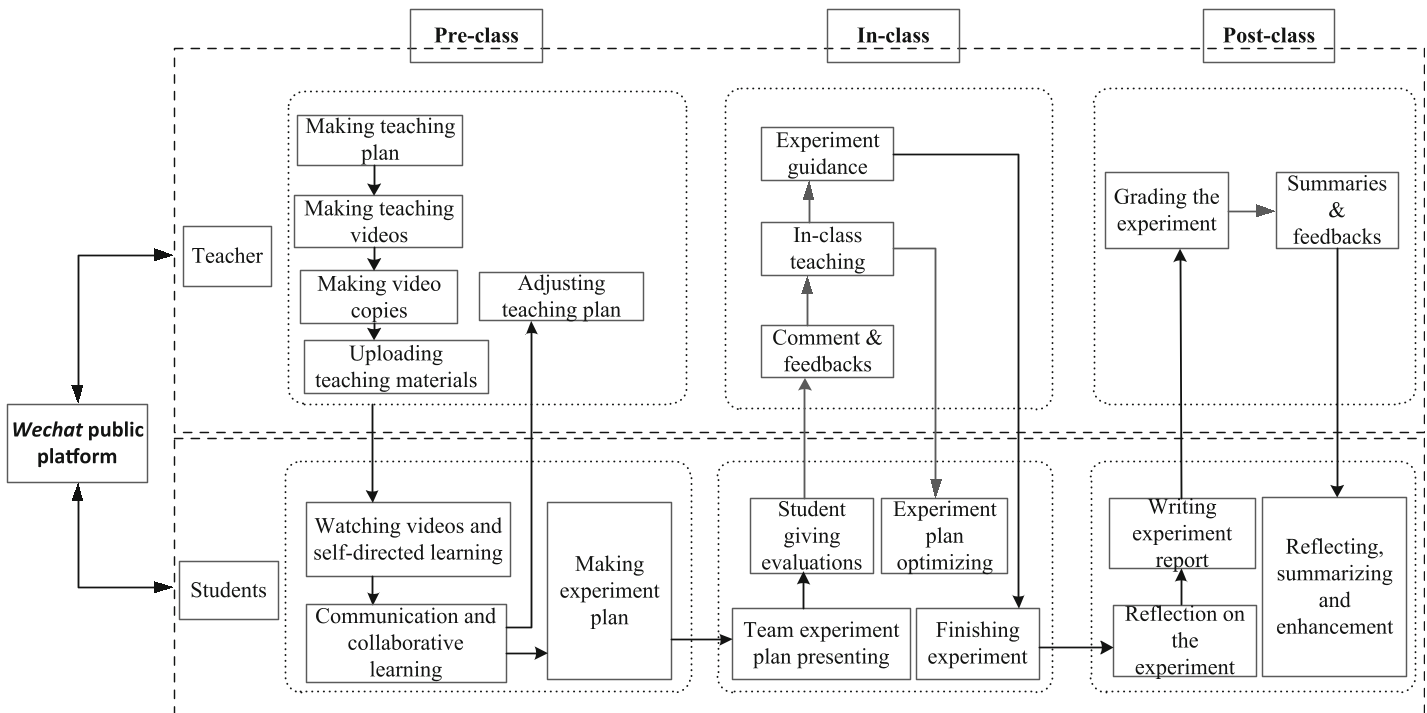 Figure 1: The structured flow from pre-class preparation to post-class reflection.
3. Post-class: Enhancement & Reflection
Residual problems are uploaded back to the WeChat Public Platform. The teacher organizes targeted discussions on these "pain points," ensuring no student is left behind.
Evidence of Success: Quantitative Breakthroughs
The data from the Taizhou University Network Laboratory is compelling. The transition to the Flipped model (starting Fall 2015) shows a clear upward trend in academic performance compared to the traditional years (2014-2015).
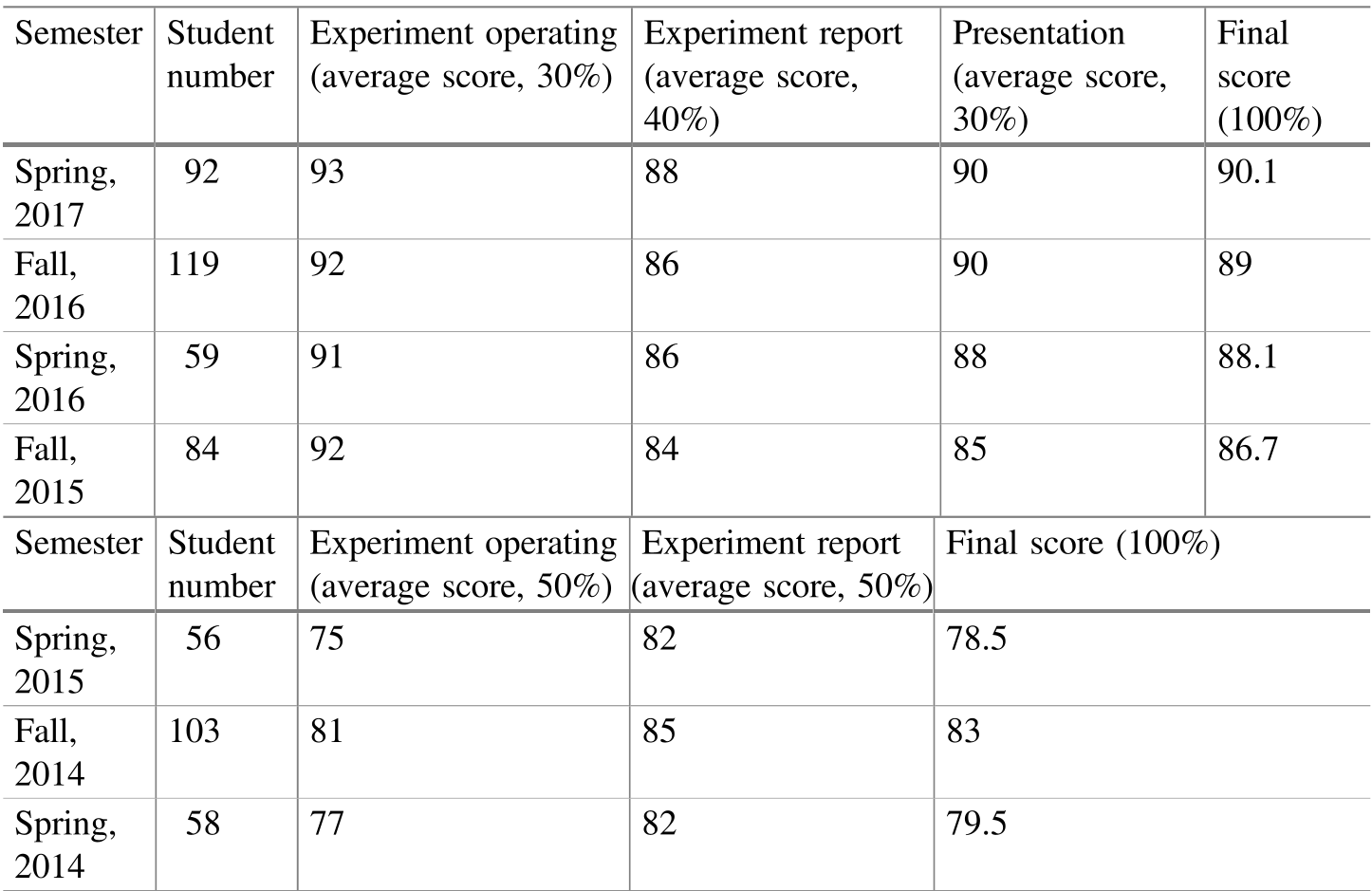 Table 1: Comparison between Flipped Classroom (Top) and Traditional Approach (Bottom).
Key Observations:
- Standardized Mastery: Presentation scores became a core component, forcing students to verbalize technical concepts.
- Operational Excellence: Scores in "Experiment Operating" rose from the 70s to the 90s, proving that pre-class video prep leads to better hands-on performance.
- Platform Loyalty: The WeChat platform achieved a 100% "following rate," proving that the tool natively fits the student lifestyle.
Critical Insight & Conclusion
The success of this method isn't just about the "Flipped" label; it's about lowering the friction of participation. By moving the "Help Desk" to WeChat, the authors utilized the "social pressure" and "social support" of peer networks to drive academic rigor.
Limitations & Future Work: While student participation skyrocketed, the authors noted that this model places a heavy burden on instructors. Creating high-quality micro-videos and managing real-time social media interactions require a significant time investment. Future iterations may need to look into automated AI chatbots within WeChat to handle routine FAQs, allowing teachers to focus on complex pedagogical interventions.
Takeaway: To reinvent education, we must go where the students already live—digitally.