
PEPP: Decompressing Emergency Communication via Cloud-Social Integration
Personal Emergency Preparedness Plan (PEPP) Facebook App: Using Cloud Computing, Mobile Technology, and Social Networking Services to Decompress Traditional Channels of Communication during Emergencies and Disasters
The paper presents the Personal Emergency Preparedness Plan (PEPP), a Facebook application developed by Lockheed Martin using the "Mobile Plus Cloud Computing" paradigm. The system leverages Microsoft Windows Azure, ASP.NET MVC 3, and HTML5 to provide a scalable emergency communication platform that allows users to identify "lifelines" and share geolocation data during disasters.
TL;DR
In the wake of a disaster, phone lines die, but Facebook feeds often stay alive. This paper introduces the Personal Emergency Preparedness Plan (PEPP), a Lockheed Martin-engineered Facebook app that utilizes a "Mobile Plus Cloud" architecture to ensure families can communicate when traditional infrastructure fails. By combining Windows Azure’s scalability with HTML5 geolocation, PEPP transforms social networks into robust emergency lifelines.
Problem & Motivation: The "Channel Congestion" Crisis
The central challenge in disaster management is not just the disaster itself, but the collapse of communication. Traditional cellular and landline networks are built for average loads, not the 100x spikes seen during emergencies.
The authors identify a critical gap: while tools like Google Person Finder exist, they are often disconnected from a user's primary social circle. The insight here is to "decompress" traditional channels by moving the burden of status updates and location sharing to social networking services (SNS). By weaving emergency planning into the fabric of Facebook, the system leverages an existing, high-availability infrastructure that users already access daily.
Methodology: The "Thundercloud" Architecture
The PEPP application isn't just a simple web page; it's a sophisticated integration of two distinct cloud environments: the Facebook Social Graph and the Microsoft Azure Cloud.
1. Hybrid Cloud Integration
Since Facebook does not host third-party applications, the authors used a hybrid approach. The app lives in an <iframe> on Facebook but is powered by Azure. This allows the app to scale instantly to handle millions of users without manual server intervention.
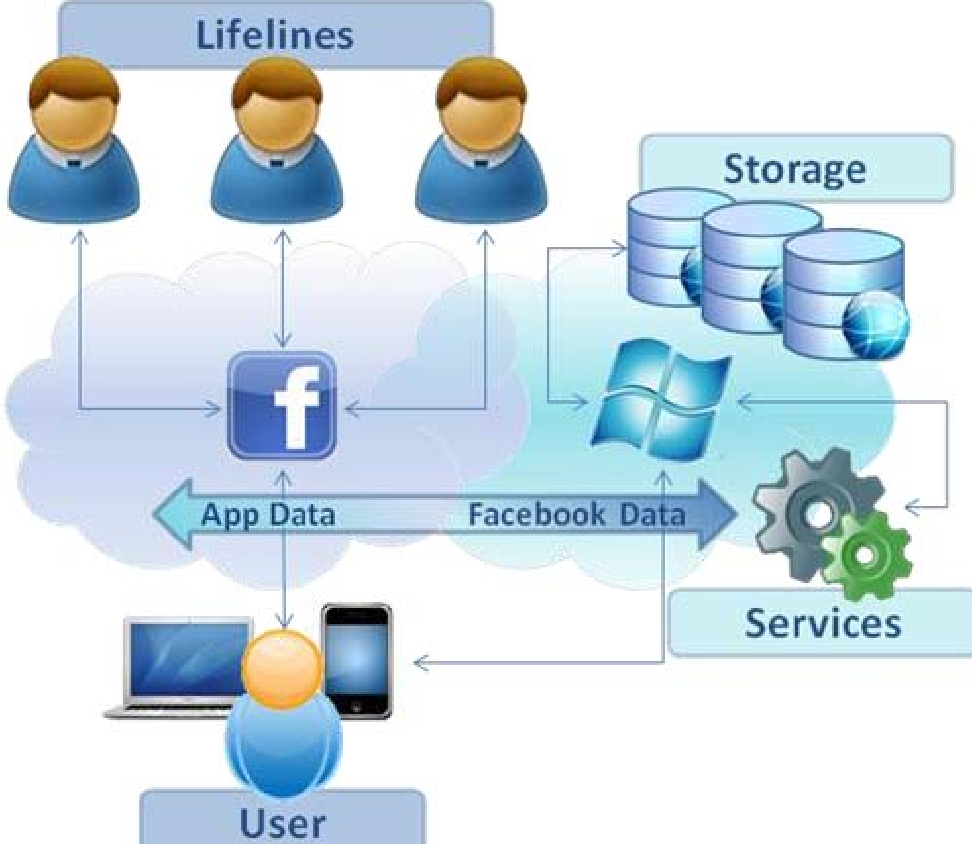 Figure 1: The dual-cloud architecture connecting Facebook's social data with Azure's processing power.
2. High-Performance Data Modeling
Instead of a traditional SQL database, which might struggle with the rapid, schema-less data influx of an emergency, PEPP uses Azure Table Storage (ATS). By inheriting the TableServiceEntity class, the team created a highly efficient "Lifeline" data model that provides 99.9% availability and massive throughput.
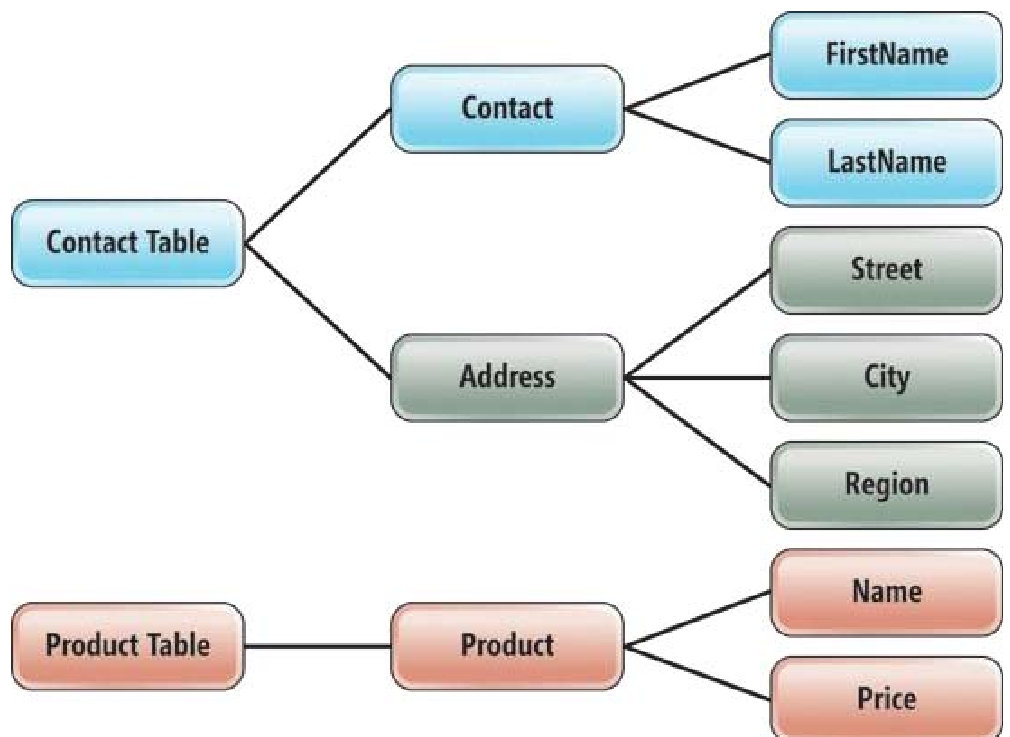 Figure 2: Visualizing how Azure Table Storage organizes user entities for rapid retrieval.
Experiments & Results: Resilience in the Field
The implementation proved that the ASP.NET MVC 3 framework and the Razor View Engine were critical for "clean separation" of code, allowing for rapid deployment during a development challenge sponsored by the HHS.
Key achievements included:
- 99.9% Uptime: Leveraging Azure’s PaaS to ensure the app is "always on" during critical windows.
- Standardization via HTML5: By eschewing Flash, the app maintained performance across iPads, iPhones, and Android devices, using standard Geolocation APIs to broadcast a user's "beacon" location to their lifelines.
- Social Graph Utilization: The app successfully turned Facebook "friends" into "lifelines," automating the notification process and reducing the need for individual SMS messages.
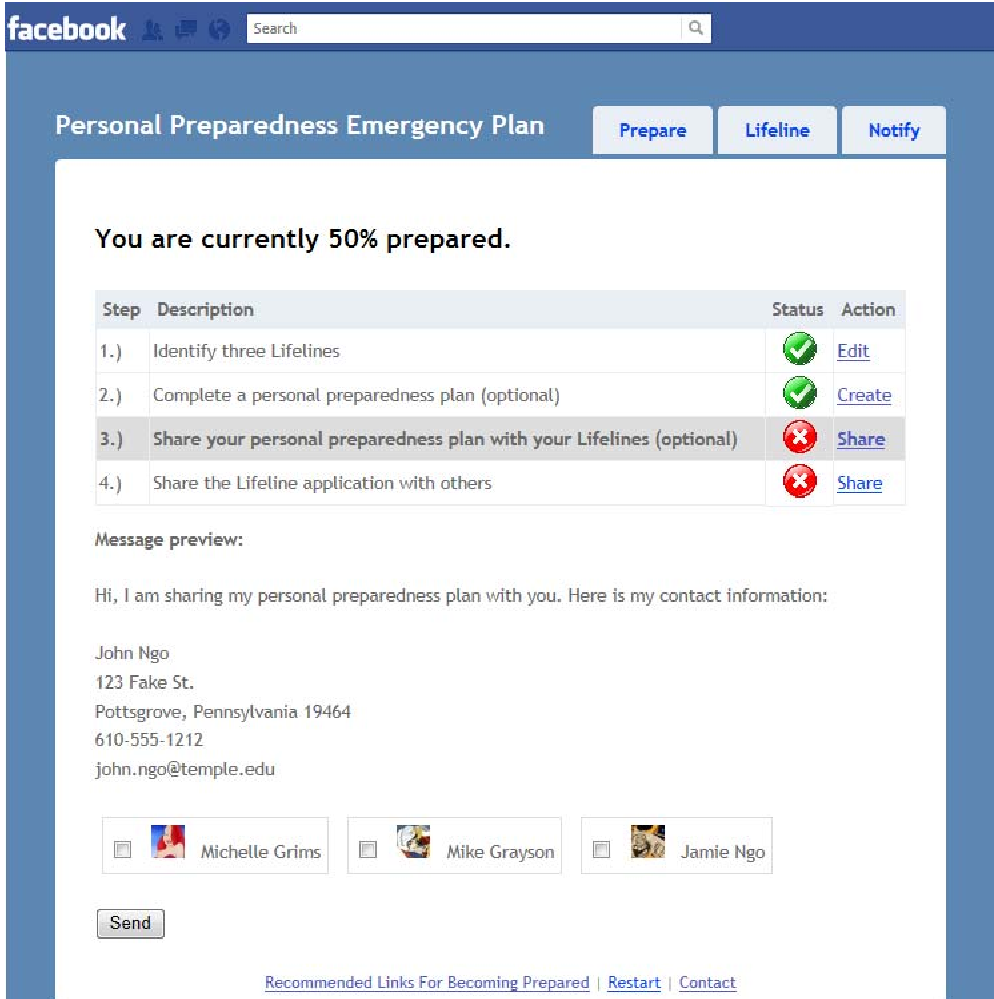 Figure 3: The interface demonstrates real-world geolocation usage on mobile devices, a core requirement for first responders.
Critical Insight & Conclusion
The PEPP project demonstrates a fundamental shift in Emergency Informatics. We are moving away from proprietary, isolated emergency hardware toward a model where Public Cloud + Social Graph = Resilience.
Takeaway: The success of PEPP lies in its "low-friction" design. By meeting users where they already are (Facebook) and using the tech they already carry (Smartphones), Lockheed Martin has provided a blueprint for future resilient systems.
Limitations: The system remains dependent on centralized providers (Facebook/Microsoft). Future research should explore how Decentralized Identifiers (DIDs) or mesh networking could further harden these "lifelines" if the core cloud providers themselves were to experience an outage.