
Personalized Semantic Search: Bridging the Gap Between Social Intelligence and Linked Open Data
Personalized Facets for Semantic Search Using Linked Open Data with Social Networks
The paper introduces a personalized semantic search framework that integrates Linked Open Data (LOD) with social network intelligence. By constructing a Weighted User Profile (WUP) from social media activities, the system dynamically generates a faceted graph visualization where results are filtered and prioritized based on individual preferences.
TL;DR
Is it possible for a search engine to know exactly what you want just by looking at your social media? This paper proposes a system that links your Social Network footprint (Facebook/Twitter) with Linked Open Data (LOD) like DBpedia. By using a weighted profile to "re-size" the importance of search results in a graph-based interface, the research transforms a cluttered sea of nodes into a personalized, easy-to-navigate map of information.
Problem & Motivation: The Fatigue of the "Same Results for Everyone"
In a standard search paradigm, two people searching for "Samsung" get the same list, regardless of whether one is interested in the latest smartphone and the other in the corporate history or semiconductor stocks.
The Semantic Web (LOD) was supposed to solve this by providing structured connections. However, exploring DBpedia or other massive datasets manually is like trying to find a specific book in a library where the shelves keep moving. The authors identified two core bottlenecks:
- Lack of Personalization: Search interfaces don't adapt to the user's history or intent.
- Faceted Clutter: Navigating through "facets" (filters like Category, Manufacturer, etc.) in a massive graph is cognitively exhausting.
Methodology: From Social Likes to Graph Vertices
The authors' approach follows a specialized pipeline to turn "Likes" into "Logical Links."
1. Weighted User Profile (WUP) Generation
The system extracts terms from a user's social media activities and calculates their importance using a tf-idf (Term Frequency-Inverse Document Frequency) model. This creates a vector where your specific interests (e.g., "Mobile", "Game") are assigned weights.
2. The Personalized Graph Visualization
The core innovation is Algorithm 1, which calculates the visual size of graph nodes based on the match between the search result and the user profile.
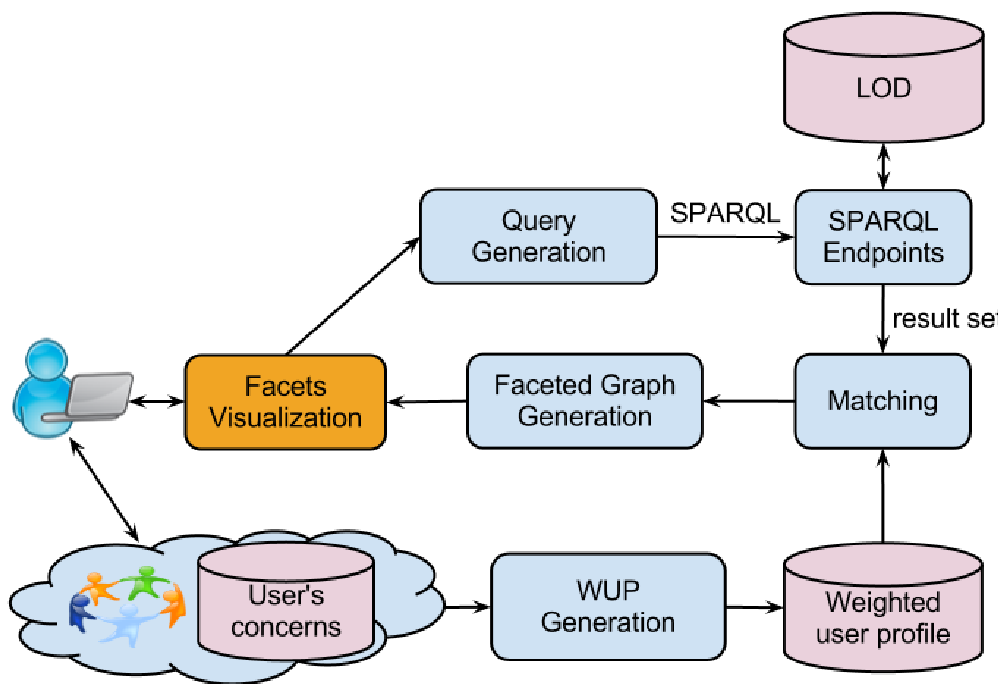 Figure 1: The architecture showing the flow from Social Networks to the Faceted Graph.
Instead of a uniform list, the search result is a graph where Similarity = Size. If you are a mobile tech enthusiast, nodes related to "Iphone" or "Galaxy" will appear larger and more prominent than general corporate nodes.
3. Faceted Operations
The paper defines three operations that allow users to interact with the graph:
- Focus Selection: Switching between different ontological facets.
- Refinement: Adding new predicates to narrow the search.
- Expansion: Removing filters to cast a wider net.
Experiments & Results: Seeing is Believing
The authors tested their system using three primary tasks: "Samsung," "Japan," and "Iphone." They compared a standard graph (G1) with their personalized graph (G2).
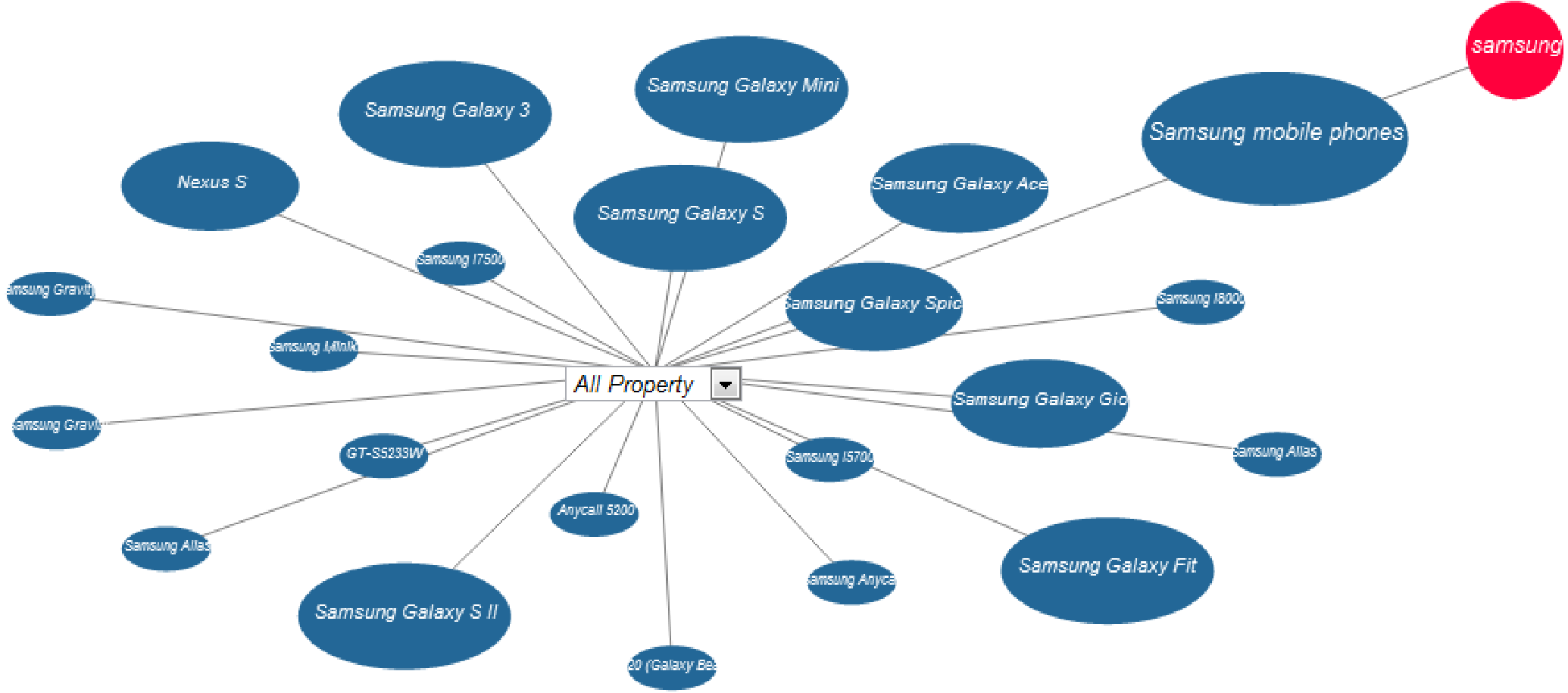 Figure 2: A screenshot of the implemented graph interface where vertex sizes differ based on user profile weights.
Key Findings:
- Visual Efficiency: The personalized graph (G2) used fewer pixels to represent the total result set, effectively "pruning" the visual noise.
- Relevance Mapping: As shown in the comparison below, the matched graph (G2) consistently had a smaller total "size rate" than the original, proving it more selectively highlights high-value information.
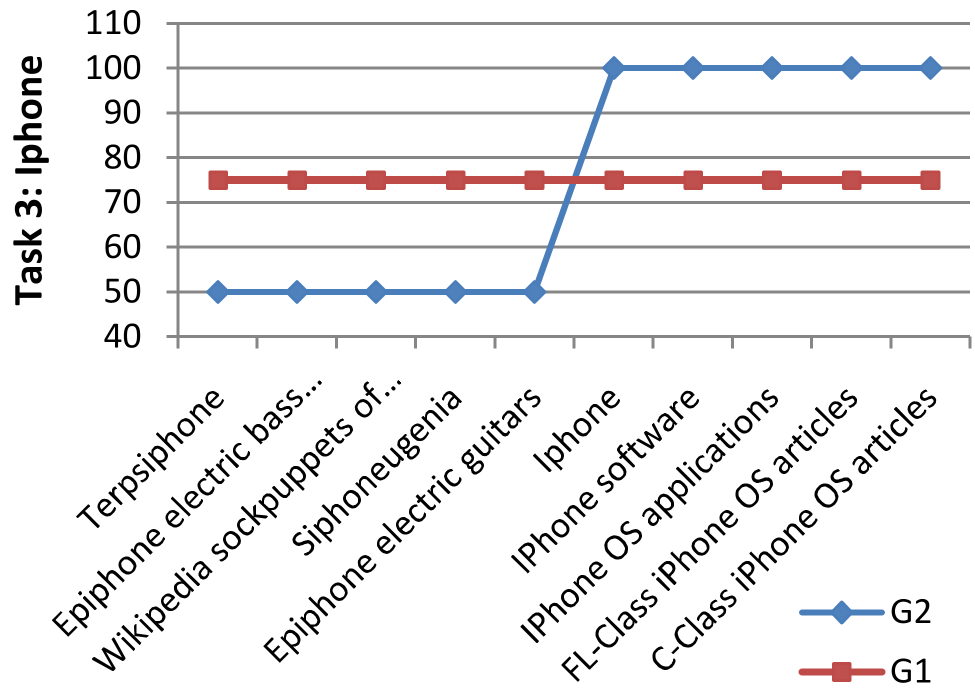 Figure 3: Comparison of the total size of G2 vs G1 across tasks.
Critical Analysis & Conclusion
Takeaway
The integration of social signals into semantic exploration addresses a major UX flaw in the Semantic Web. By making the "facets" dynamic and size-coded, the authors reduce the cognitive load required to filter large datasets.
Limitations
- Privacy: Connecting social media accounts to search engines raises significant privacy concerns that weren't the focus of this paper.
- Algorithm Sophistication: Relying on tf-idf is a robust start, but it may miss the deep contextual nuances that modern Transformer-based embeddings (like BERT) could capture.
Future Outlook
This technology could evolve into "Context-Aware Knowledge Explorers" where our current task—be it professional research or casual shopping—dynamically reshapes how we view the world's interconnected data.