
The Physiological Mouse: Turning an Everyday Peripheral into an Emotion-Aware Sensor
Physiological Mouse: Towards an Emotion-Aware Mouse
The paper introduces the "Physiological Mouse," a novel non-intrusive hardware prototype that augments a standard computer mouse with optical sensors to capture photoplethysmographic (PPG) signals. By processing these signals, the system estimates heart beat rate and respiratory rate to enable emotion-aware computing without the need for intrusive wearable sensors.
TL;DR
Researchers from The Hong Kong Polytechnic University have developed a Physiological Mouse that measures your heart rate and breathing while you work. By embedding a tiny optical PPG sensor where your thumb rests, they've created a non-intrusive way for computers to "feel" user emotions like stress or boredom with over 95% accuracy, paving the way for software that adapts to your mental state.
Context: The Quest for "Invisible" Affective Computing
Affective computing—the ability of a machine to recognize and respond to human emotions—has long been a "holy grail" of HCI. However, we've faced a binary choice:
- Intrusive Wearables: Highly accurate but cumbersome (EEG caps, chest straps).
- Visual/Audio Analysis: Non-intrusive but fragile (webcams struggle with lighting and movement).
The "Physiological Mouse" occupies a brilliant middle ground. It leverages the fact that in a desktop environment, the mouse is a constant point of contact. By turning this contact into a data source, the researchers have made physiological monitoring virtually invisible.
Methodology: From Blood Flow to Emotional Insights
The core technology used is Photoplethysmography (PPG). An infrared LED shines light into the thumb, and a photodiode measures the reflected intensity. Because blood volume in the vessels changes with every heartbeat, the light intensity fluctuates in a periodic wave.
The Two-Tiered Processing Pipeline
- Heart Beat Rate (HBR): The team applied a moving window smoothing function followed by a Fast Fourier Transform (FFT). By focusing on the 0.5Hz to 3.5Hz band (30–210 BPM), they could isolate the cardiac cycle with high precision.
- Respiratory Rate (RR): This is much harder to detect. The researchers used Inter-Beat Interval (IBI)—the tiny timing differences between heartbeats—to detect Respiratory Sinus Arrhythmia (the way breathing modulates heart rhythm). They utilized a Lomb periodogram to find the peak frequency of these intervals.
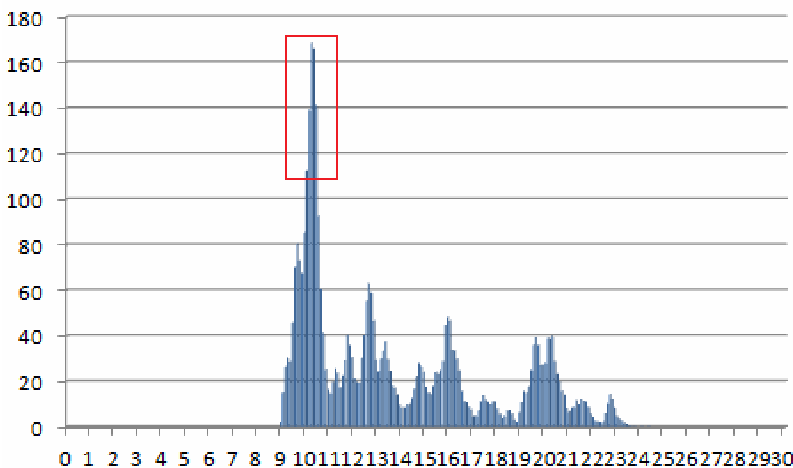 Figure 1: The prototype (left) and the mouse in natural use (right).
Experimental Results: Clinical Accuracy in a Peripheral
The authors validated their mouse against the iHealth Pulse Oximeter (a medical-grade device).
- Heart Rate: The results were stunningly accurate, yielding an average error of only 1.74%.
- Respiration: Under controlled "metronome" breathing, the error was around 2%. In natural, spontaneous breathing, the error rose slightly to 5.56%, which is still remarkably robust for a non-contact sensor.
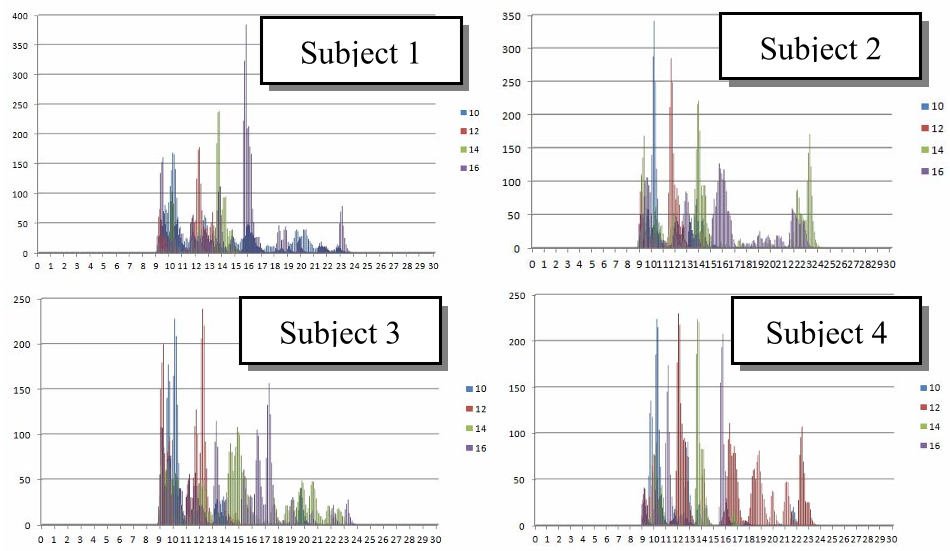 Figure 2: Table I highlights the negligible Mean Square Error (MSE) across different subjects for heart rate monitoring.
Critical Insight: Why This Matters
The genius of this work isn't just in the hardware—it's in the Physiological Context. Unlike a webcam, which might lose track of you if you turn your head, the mouse provides a stable, high-fidelity signal as long as you are using the computer.
Future Outlook: Imagine an e-learning platform that detects you are getting frustrated (increased heart rate, irregular breathing) and automatically offers a hint. Or a video game that increases difficulty when it senses you are bored. This paper provides the hardware foundation for that "empathy-aware" digital future.
Limitations
- Grip Dependency: The accuracy depends on the thumb maintaining contact with the sensor.
- Mapping to Emotion: While the mouse measures physiological signals, the mapping of these signals to specific complex emotions (e.g., distinguishing between "excitement" and "anger") remains an area for further machine learning refinement.
Conclusion
The Physiological Mouse is a masterclass in Human-Centered Computing. It proves that we don't need to dress users in sensors to understand them; we just need to build smarter versions of the tools they already use.