
PhytoCloud: Empowering Breast Cancer Recovery Through Gamified Precision Nutrition
PhytoCloud: A Gamified Mobile Web Application to Modulate Diet and Physical Activity of Women with Breast Cancer
This paper introduces PhytoCloud, a gamified Mobile Web App designed to modulate the diet and physical activity of breast cancer patients. It leverages a user-centered design, integrating clinical data (DietCompLyf) and gamification to promote long-term behavioral change and the consumption of phytoestrogens for recovery.
TL;DR
PhytoCloud is a specialized Mobile Web App designed to help breast cancer patients manage their diet and exercise. Unlike generic fitness apps, it focuses on the intake of phytoestrogens and uses gamification to ensure patients stay motivated through the grueling stages of medical treatment. By bridging the gap between clinical advice and daily habit formation, it aims to reduce cancer recurrence rates.
Motivation: The Gap Between Advice and Action
For breast cancer survivors, lifestyle choices are not just about "fitness"—they are prognostic indicators. Research from the DietCompLyf study shows that nearly 50% of patients attempt dietary changes post-diagnosis. However, patients often report:
- Loss of Agency: Feeling overwhelmed by treatments and a lack of control over recovery.
- Execution Friction: Finding it hard to translate "eat healthy" into actual family-friendly meals.
- Inaccurate Monitoring: Clinical data often relies on monthly recalls, which are notoriously imprecise compared to real-time daily tracking.
The authors’ insight was to combine specialized biomedical data (specifically focusing on plant-based hormones) with the engagement mechanics of modern mobile gaming.
Methodology: Specialized Architecture for Specialized Needs
The core of PhytoCloud is its integration of clinical datasets into a user-friendly mobile interface.
The Technical Stack
The system utilizes a modern web stack designed for agility:
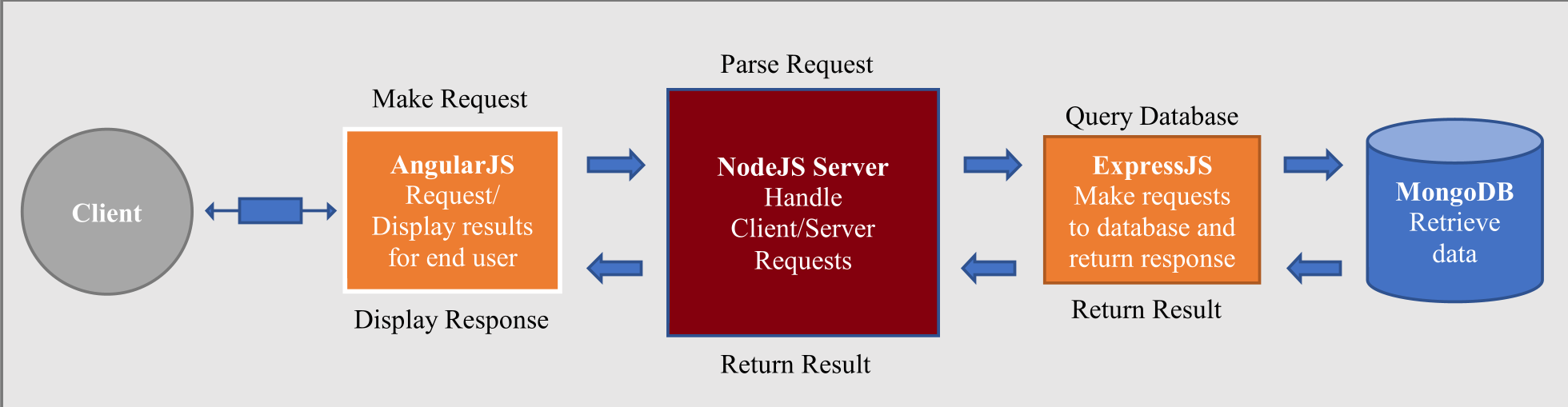
- Backend: A RESTful JSON API built with ExpressJS and Node.js, utilizing MongoDB (via Mongoose) for flexible data storage.
- Frontend: Developed with Angular.js to ensure a responsive experience across desktop and mobile browsers.
- Data Integration: It connects to the Nutritics API and the McCance and Widdowson dataset, specifically to track phytoestrogens—a feature missing from mainstream apps like MyFitnessPal.
System Architecture
The modular design allows for independent development of modules such as the "Diary," "Recipes," and "Social Media" components.
Key Features & Gamification Mechanics
To prevent "app fatigue," PhytoCloud incorporates several psychological drivers:
- Progressive Disclosure: The 130-item Food Frequency Questionnaire (FFQ) is broken down into manageable chunks. Completing a section unlocks educational videos, rewarding the user with knowledge.
- Phytoestrogen Tracking: A unique dashboard displaying the consumption of specific nutrients linked to preventing cancer reappearance.
- Social Connectivity: A "network" feature where patients can share recipes and exercise routines with others having similar medical profiles, fostering a sense of community.
- Goal Tracking & Leaderboards: Competitive elements that reward users for hitting targets like the "5-a-day" fruit/veg goal or specific physical activity durations.
Experimental Context & Future Directions
The project is currently in the functional testing phase, moving toward clinical trials with self-help groups. The research seeks to answer if daily digital monitoring provides significantly more accurate data than conventional retrospective questionnaires.
Future Outlook:
- Computer Vision: Plans to implement barcode scanning and image recognition for automatic food logging.
- Native Transition: Moving from a Web App to a Mobile Native Application to utilize push notifications for better engagement nudges.
- Clinician Integration: Allowing doctors to see real-time lifestyle data to provide personalized, data-driven medical advice.
Critical Insight
PhytoCloud represents a shift from "Health-Tech" as a generic tool to "Med-Tech" as a personalized companion. Its success hinges not on the complexity of its code, but on its context-awareness—treating the user as a patient with specific biological needs rather than just a consumer looking to lose weight.
Takeaway
For developers and researchers, PhytoCloud highlights a massive opportunity: the "niche-ification" of health apps. By grounding app mechanics in specific clinical requirements (like the UK’s DietCompLyf insights), we can build tools that don't just track data, but actively improve survival outcomes.