
Kresoxim-methyl: Beyond Fungicides to Hormonal Re-engineering in Wheat
Plan• Physjoloay
This study investigates the non-fungicidal physiological effects of Kresoxim-methyl on wheat (Triticum aestivum), specifically its ability to delay leaf senescence and conserve water. By modulating the phytohormonal balance—increasing cytokinins and abscisic acid (ABA) while inhibiting ethylene biosynthesis—the strobilurin fungicide acts as a plant growth regulator to improve biomass and stress tolerance.
TL;DR
Kresoxim-methyl, originally a fungicide, acts as a potent plant growth regulator in wheat. It delays leaf senescence by suppressing ethylene and boosting cytokinins, while simultaneously improving water efficiency by doubling ABA levels to trigger partial stomatal closure.
Contextual Positioning
In the world of agricultural chemistry, the "Strobilurin" class is famous for its origins in wood-rotting fungi. However, this 1998 study by Grossmann et al. is a foundational piece in understanding why these chemicals make fields look "greener." It moves beyond mere disease control to map the complex hormonal landscape of treated Triticum aestivum.
The Problem: The Mystery of the "Greening Effect"
Farmers noticed that even in the absence of fungal pressure, wheat treated with Kresoxim-methyl stayed green longer and yielded more. The physiological mechanism was a "black box." Existing fungicides often focus purely on pathogen toxicity; the insight here was that Kresoxim-methyl might be hijacking the plant's own signaling pathways—specifically the balance between "aging hormones" (Ethylene) and "youth hormones" (Cytokinins).
Methodology: High-Precision Phytohormone Mapping
The authors employed a dual approach using leaf discs and intact plants:
- Hormone Quantification: Using enzyme-immunoassays with monoclonal antibodies (the gold standard for sensitivity) to detect picomolar changes in DZR, ZR, IAA, and ABA.
- Physiological Tracking: Measuring chlorophyll retention (senescence), diffusive resistance (stomatal behavior), and transpiration rates.
Architecture of the Physiological Shift
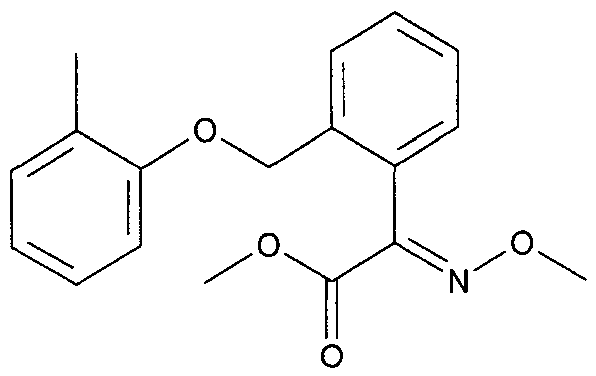 Fig 1. Schematic representation of the extraction and hormonal analysis workflow.
Methodology Part 2: The Hormonal See-saw
The core finding is a significant shift in the Hormonal Constellation:
- Ethylene Inhibition: Kresoxim-methyl blocks the induction of ACC synthase. By reducing the precursor (ACC), the "death signal" of ethylene is silenced.
- Cytokinin Boost: As ethylene falls, DZR-type cytokinins (which promote cell division and chloroplast stability) rise up to 300%.
- ABA Induction: A 2-fold increase in Abscisic Acid acts as a signal for "water conservation," tightening the stomatal aperture without significantly choking off assimilation.
Results & SOTA Comparison
Compared to prior work with auxins, Kresoxim-methyl is unique. While high auxin concentrations often stimulate ethylene (leading to plant deformation), Kresoxim-methyl maintains an inhibitory effect on ethylene across all doses, preventing the negative side effects of traditional hormones.
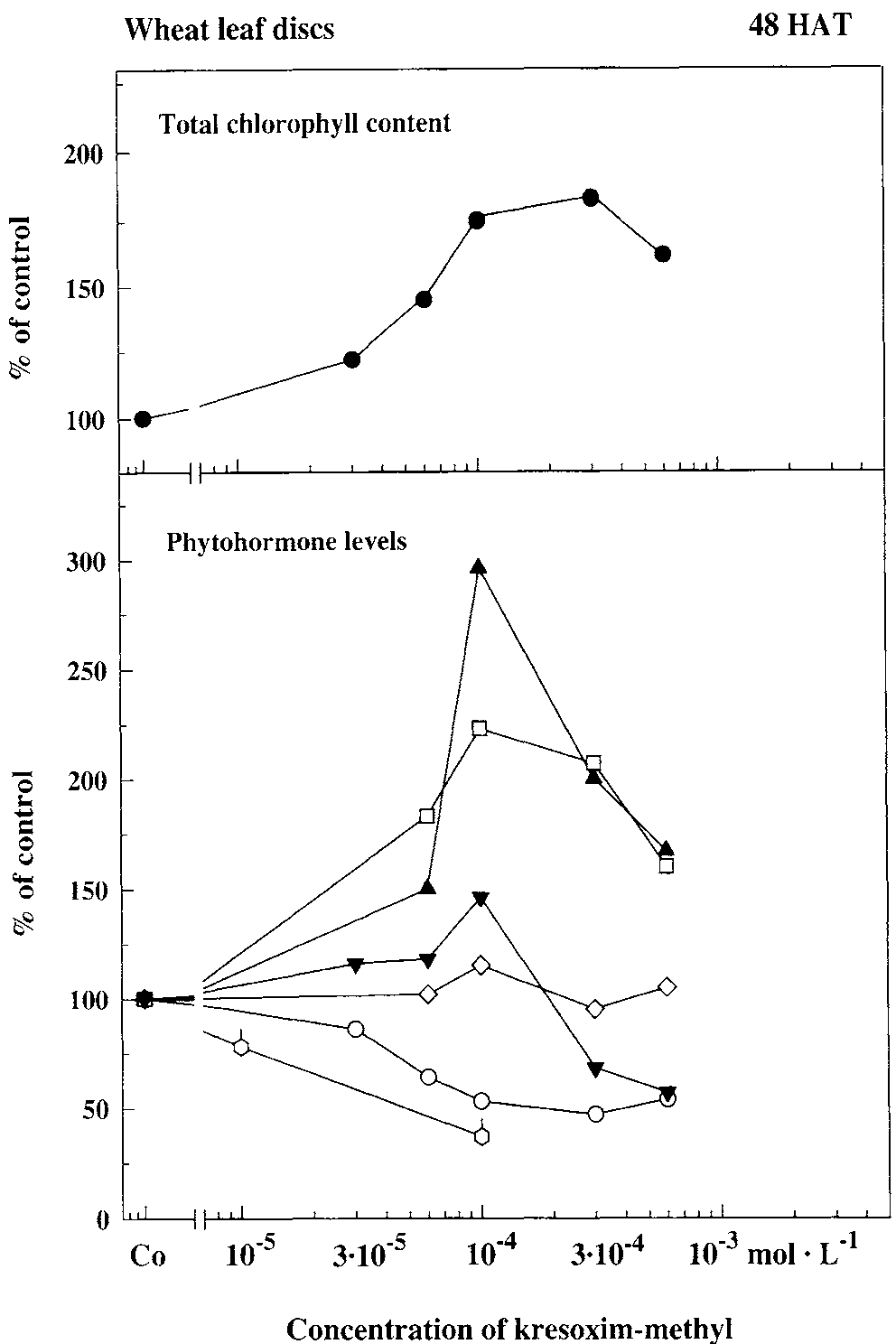 Fig 2. Correlation between Kresoxim-methyl concentration and the rise in chlorophyll and ABA.
Key Stats:
- Longevity: Chlorophyll levels were 83% higher in treated discs.
- Efficiency: Water consumption dropped by 8%, while biomass (dry weight) actually increased by 10%. This suggests a massive increase in water-use efficiency.
Critical Insight & Future Outlook
The study demonstrates that the "non-fungicidal" effects of strobilurins are not a side effect but a comprehensive metabolic reconfiguration.
Takeaway: Kresoxim-methyl transforms the plant into a more robust, water-efficient machine. This research paved the way for modern "Plant Health" labels in the agrochemical industry, where fungicides are marketed as stress-management tools.
Limitations: The study primarily looks at wheat; the response in different climates or more complex soil-to-root interactions in the field (versus hydroponics) remains an area for further scaling.
Future Perspectives
As the climate warms, the ability to induce ABA and conserve water via chemical application (rather than genetic modification) remains a highly attractive "fast-track" for agricultural resilience.