
Pneumocystis jiroveci in Solid Organ Transplantation: AST Community of Practice Guidelines
<i>Pneumocystis jiroveci</i> in solid organ transplantation: Guidelines from the American Society of Transplantation Infectious Diseases Community of Practice
This paper presents the updated clinical guidelines from the American Society of Transplantation (AST) for the diagnosis, prevention, and management of Pneumocystis jiroveci pneumonia (PJP) in solid organ transplant (SOT) recipients. It reaffirms Trimethoprim-sulfamethoxazole (TMP-SMX) as the gold standard for both prophylaxis and treatment, achieving high efficacy in preventing opportunistic fungal outbreaks.
TL;DR
The American Society of Transplantation (AST) has released updated guidelines on Pneumocystis jiroveci pneumonia (PJP), a critical fungal threat to transplant recipients. The consensus is clear: Trimethoprim-sulfamethoxazole (TMP-SMX) remains the unrivaled champion for both prevention and therapy. Early diagnosis via Bronchoalveolar Lavage (BAL) and the strategic use of adjunctive corticosteroids for severe hypoxemia are essential to reducing mortality in this highly vulnerable population.
Problem & Motivation: The Shifting Landscape of PJP
In the world of transplantation, Pneumocystis jiroveci is a "stealth" pathogen. Unlike in HIV patients where the disease follows a subacute course, PJP in solid organ transplant (SOT) recipients is often acute, aggressive, and characterized by rapid respiratory failure.
The motivation for these updated guidelines stems from several trends:
- The Prophylaxis Paradox: While routine prophylaxis has crushed early-onset cases, "late-onset" PJP is emerging as a new threat beyond the traditional 6-month window.
- Diagnostic Ambiguity: Standard imaging (Chest X-rays) often fails to show the full extent of the interstitial damage, necessitating more advanced CT and laboratory techniques.
- Immunological Complexity: New immunosuppressants (like Sirolimus) and biological therapies (Alemtuzumab) have altered the internal "net state of immunosuppression," making traditional risk assessments more difficult.
Methodology: The AST Framework for Management
The guidelines break down the management of PJP into three pillars: Risk Stratification, Precise Diagnosis, and Aggressive Therapy.
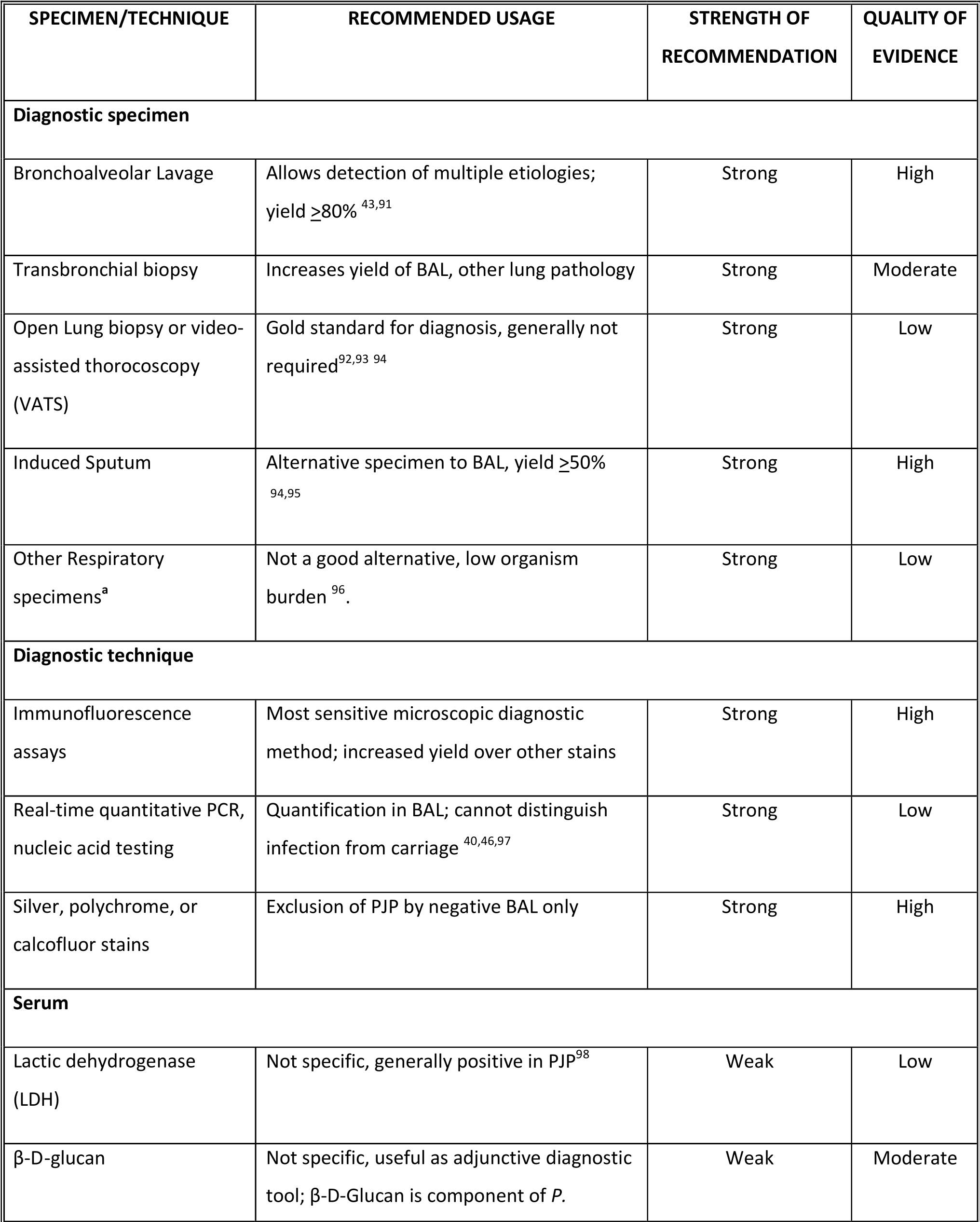
1. Diagnostic Hierarchy
The authors emphasize that a "negative smear" from a single specimen is not an exclusion of disease.
- Gold Standard: Bronchoalveolar Lavage (BAL) with a diagnostic yield of ≥80%.
- First-line Screening: Induced sputum with direct immunofluorescent staining.
- Adjunctive Tools: Serum (1→3) β-D-glucan is highlighted for its high negative predictive value—if this test is negative, PJP is highly unlikely.
2. Clinical Risk Factors
The guidelines identify a "Perfect Storm" for PJP:
- Primary Risks: Corticosteroid use (>20mg/day for >2 weeks), T-cell depleting antibodies, and CMV co-infection.
- Biological Markers: CD4+ T-cell counts < 200 cells/μL and absolute lymphocyte counts < 500 cells/μL.
Core Methodology: Treatment and Prophylaxis
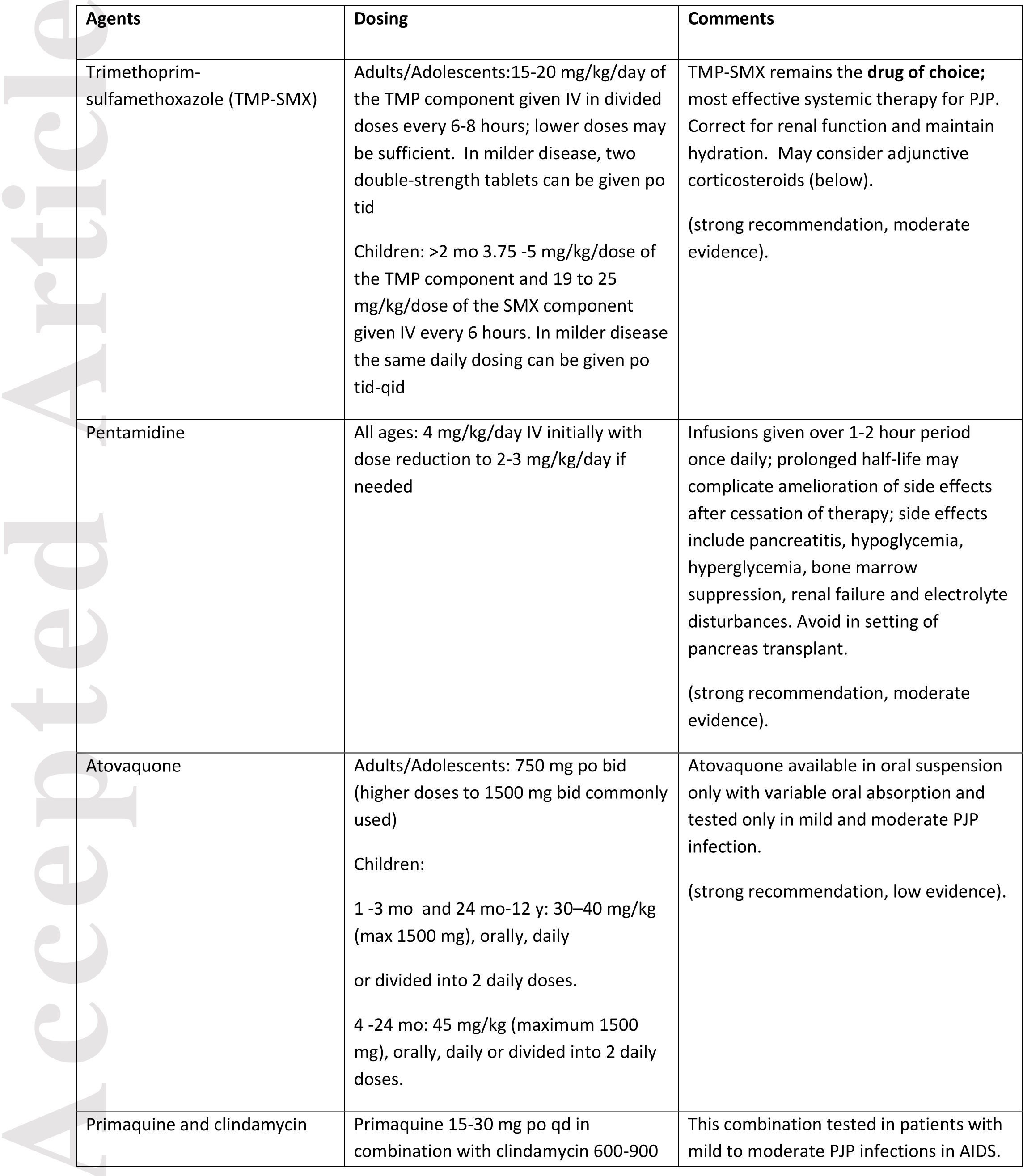
The guidelines reinforce TMP-SMX as the first-line agent. Its unique ability to inhibit the folic acid pathway of the organism (which lacks ergosterol) makes it more effective than standard anti-fungals.
- For Treatment: High-dose IV TMP-SMX (15-20 mg/kg/day).
- For Prophylaxis: A single-strength or double-strength tablet daily or three times weekly.
The Role of Corticosteroids
A key takeaway for clinicians is the use of adjunctive corticosteroids. If a patient presents with a pO2 < 70mmHg, starting steroids within the first 72 hours of antimicrobial therapy can prevent the inflammatory "rebound" that often occurs when the fungi begin to die off in the alveoli.
Critical Analysis & Conclusion
While the AST guidelines provide a robust roadmap, they also highlight a major gap: our understanding of the environmental reservoir. It remains unclear exactly where P. jiroveci lives in nature or how precisely it transmits between humans, though nosocomial clusters suggest that hospital-based transmission is a real risk.
Key Takeaways for Future Research:
- NAT Specificity: There is a pressing need for Nucleic Acid Testing (NAT) that can distinguish between "colonization" (the organism just being there) and "active infection."
- Long-term Strategies: We need clearer data on when it is safe to stop prophylaxis, particularly in lung transplant patients who currently face the prospect of lifelong medication.
In conclusion, PJP is a preventable disease. The AST guidelines underscore that through vigilant prophylaxis with TMP-SMX and early, invasive diagnostic efforts, we can Shield SOT recipients from this devastating opportunistic pathogen.