
Positioning Media Economics: Why Every Media Outlet is a Project Business
Positioning of media economic framework for novel media in the field of project business
This paper establishes a "Media Economic Framework" by integrating theories from project business and media economics. It proposes a 2x2 matrix classification for media—Single/Multiple Projects vs. Single/Multiple Firms—to categorize industries like Print, Motion-Picture, Audio, and Visual media within a business management context.
TL;DR
This research bridges the gap between Media Economics and Project Business Management. By analyzing media production through the lens of governance, risk, and organizational structure, the paper provides a taxonomy (such as the 2x2 Media Economic Matrix) to help media firms navigate the complexities of modern content creation and digital distribution.
The Missing Link: Why Management Matters in Media
Historically, media economics has been viewed through the eyes of the audience, the advertiser, or society at large. While these perspectives explain what is consumed, they often ignore how it is built. In the high-stakes world of filmmaking or digital news, the "how" is essentially a complex project management challenge.
The authors argue that existing frameworks fail to account for the temporary nature of media organizations—such as a film crew that assembles for six months and then dissolves. This is where "Project Business" theories come in to provide a missing structural foundation.
Methodology: The 2x2 Media Economic Matrix
The core contribution of the paper is the mapping of media sectors onto a project management grid. This isn't just about labels; it's about identifying the Inductive Bias inherent in different media workflows.
1. The Project Business Framework
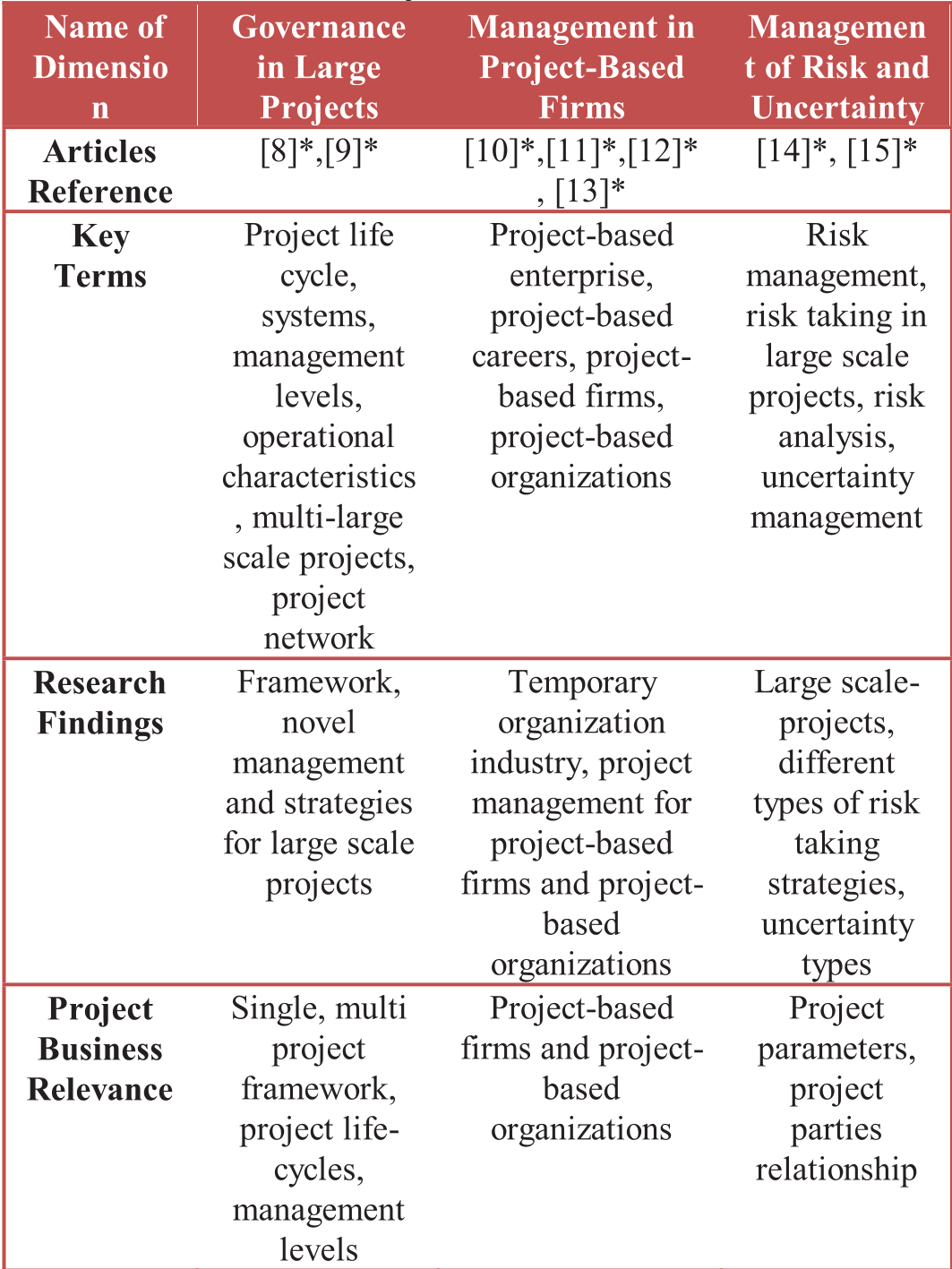
The researchers identified three pillars of project business that must apply to media:
- Governance in Large Projects: Managing multi-firm networks (e.g., a nuclear plant or a blockbuster movie).
- Management in Project-Based Firms (PBFs): How firms like biotech or software houses handle risky, unusual outputs.
- Risk and Uncertainty: Moving beyond technical issues to treat risk as a managerial problem.
2. Categorizing Media Types
By applying these pillars, the authors categorized media into four distinct quadrants based on the number of firms and the number of projects involved:
| Structure | Single Firm | Multiple Firms |
|---|---|---|
| Single Project | Print Media (e.g., NYT Online) | Motion-Picture (Film Studios + VFX Houses) |
| Multiple Projects | Audio Media (Record Labels) | Visual Media (Internet Video Networks) |
Critical Insight: Social Media as an Extension
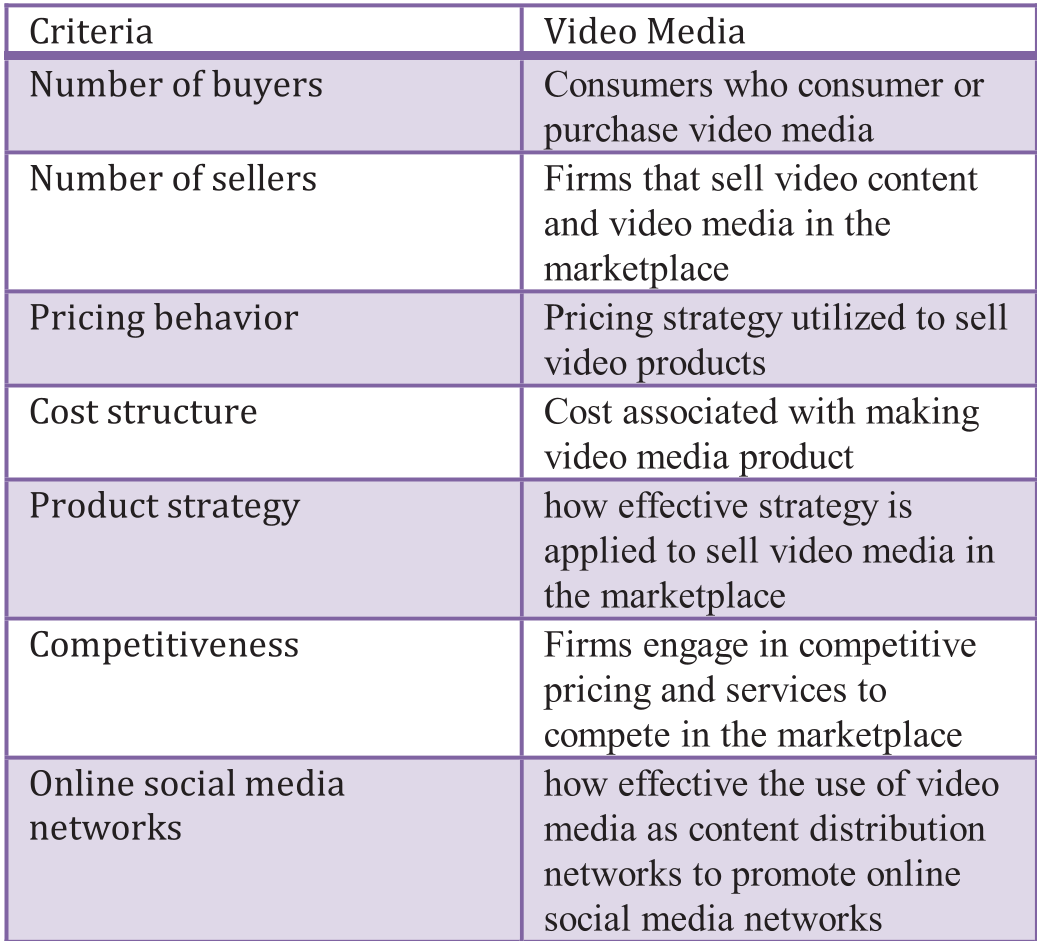
A fascinating aspect of the paper is its forward-looking view on Social Media Networks. Rather than viewing social media just as a "platform," the authors position it as a distribution network for project-based products.
For example, in Motion-Picture Media, the framework now includes "Online social media networks" as a specific criteria for assessing how effectively a "Single Project/Multi-Firm" output can reach its audience through content distribution.
Deep Insight & Perspective
From an academic standpoint, this paper is a "bridge-builder." It takes the System Theory of project management (systems, subsystems, and life cycles) and applies it to the "Creative Chaos" of media.
The Takeaway for the Industry: The distinction between "Single Creation" (a one-off film) and "Continuous Creation" (daily news) is vital. Films require Temporary Organizational strategies—maximizing skill transfer in a short window. Daily news requires Systematized Project Management—standardized roles to maintain consistency.
Limitations and Future Outlook
While the paper provides a robust taxonomy, it was published in 2011. Today’s media landscape, dominated by Creator Economies (where a single person can be a "Project-Based Firm"), suggests that the "Single Firm/Single Project" quadrant has expanded significantly.
Future research should look at how AI-driven content creation collapses these categories further—where the "Multiple Firms" required for a motion picture might soon be replaced by a "Single Firm" using generative AI "subsystems."
Conclusion
By treating media as a project business, firms can better manage the inherent risks of creativity. Whether you are producing a 30-second TikTok or a $200M epic, you are operating within a project network that requires deliberate governance, risk mitigation, and strategic positioning.