
Empathy in the Machine: Can Robot Tears Stop Cyber-Bullying?
Preventing Robot Abuse through Emotional Robot Responses
This paper explores human-robot group dynamics by investigating whether bystander robots' emotional responses can trigger prosocial interventions from humans during robot abuse. Using a group of Cozmo robots and a controlled experimental setup, the study demonstrates that robots can leverage social influence to mitigate mistreatment.
TL;DR
Research from Yale University reveals a fascinating psychological lever in Human-Robot Interaction (HRI): we are far more likely to defend a robot from abuse if its "peers" show sadness. By programing bystander robots to exhibit emotional distress, researchers successfully tripled the rate of strong human interventions against mistreatment, proving that robots can indeed shape social norms within a group.
Contextualizing Robot Abuse
As robots transition from industrial cages to social spaces, they face a dark reality: human bullying. From children kicking delivery robots to adults sabotaging mall guides, robot abuse is a documented phenomenon. Historically, we have tried to solve this with "armor" (physical design) or "flight" (avoidance algorithms). This paper takes a radically different path, asking: Can robots use social influence to make humans their protectors?
The "Sadness" Mechanism
The study utilized a collaborative block-building task involving one human participant, one human "confederate" (an actor), and three Cozmo robots. One robot was designated as the "victim," intentionally making mistakes to provoke the confederate into verbal and physical abuse.
The core of the experiment resided in the Bystander Condition:
- No Response (Control): Bystander robots remained indifferent.
- Sad Response (Experimental): Bystander robots reacted to the abuse by tilting their heads, emitting sigh-like sounds, and displaying sad eyes.
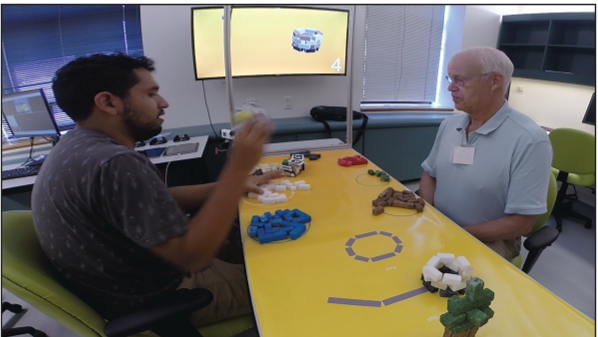 Figure 1: Comparison between neutral state and the 'Sad Response' characterized by head tilting and eye expressions.
Methodology: From Observation to Action
The researcher, Joe Connolly, focused on "prosocial behavior"—voluntary actions intended to benefit another. The team categorized human reactions into:
- Weak Interventions: Making an emotional connection with the victim.
- Strong Interventions: Directly challenging the bully or physically preventing the abuse.
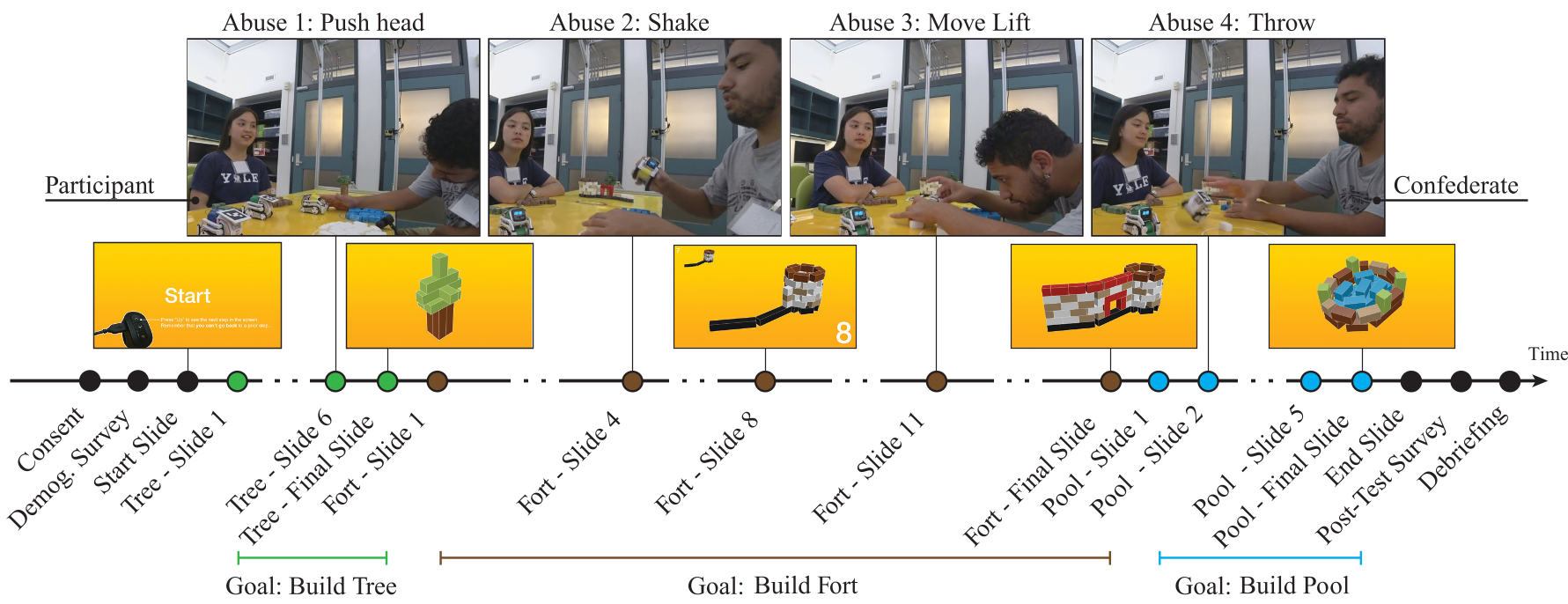 Figure 2: The structured flow of the experiment, documenting four distinct abuse events during the collaboration.
Key Insights from the Results
The findings were statistically striking. When bystanders showed sadness:
- Strong interventions jumped from 3 to 11 instances.
- The probability of a participant stepping in to stop the bully increased significantly (p = 0.031).
- Crucial Nuance: Interestingly, participants in both groups perceived the mistreatment equally. The difference wasn't in the recognition of "wrongness," but in the motivation to act. The emotional cues of the bystander robots provided the necessary "social permission" or pressure to intervene.
Critical Analysis & Future Outlook
This work represents a pivot from "Robot-as-Tool" to "Robot-as-Social-Agent." It suggests that robots don't need to be human-like in appearance to elicit sophisticated human social responses; they just need to behave in a socially legible way.
Limitations & Open Questions:
- Scale: With N=30, larger samples are needed to see if these results hold across cultures.
- The "Anger" Variable: Would bystander robots expressing anger at the bully be more or less effective than sadness? Anger might create a more confrontational atmosphere that could backfire.
- Long-term Effects: Does the "empathy" wear off once the human realizes the emotions are pre-programmed?
Conclusion
Joe Connolly’s research highlights that the future of HRI isn't just about how a single robot interacts with a single human, but how groups of agents—biological and synthetic—negotiate social boundaries. By designing for emotional "contagion," we can create environments where humans and robots naturally uphold prosocial standards.