
Beyond the Isolated Classroom: Decoding Multi-Professional Cooperation in Greek Primary Schools
Professional cooperation in primary school classes: general education teacher and specialization teacher views
This study investigates teacher cooperation levels within the reformed Greek primary school structure ("New School"), focusing on the interaction between general education teachers and subject specialists (e.g., Arts, ICT, Physical Education). Using social network theory and quantitative survey data (N=209), it identifies that while general collaborative climate is positive, significant gaps remain in integrating diverse expertise into a cohesive, interdisciplinary curriculum.
TL;DR
In modern education, the "lone wolf" teacher model is being replaced by multi-professional teams. This study examines the Greek primary school reform, revealing that while teachers feel supported, specific specialists (like ICT and PE teachers) remain siloed. The core insight? Formal structural changes are insufficient; true curriculum integration requires active "Cooperation for Teaching" to move the needle on student progress.
The Persistence of Privacy: Why Collaboration is Hard
For decades, the "isolated" character of the teaching profession has been a barrier to innovation. Teachers often retreat to their own classrooms, creating "islands" of instruction. The Greek educational reform of 2010/2016 attempted to bridge this by introducing specialists (Drama, ICT, Music) into the primary setting. However, the study highlights a critical friction point: Does physical proximity (being in the same school) lead to pedagogical synergy?
The authors argue that without intentional social networks, the expertise of these specialists is wasted, and the "Interdisciplinary Framework" remains a plan on paper rather than a reality in the classroom.
Methodology: Mapping the Professional Network
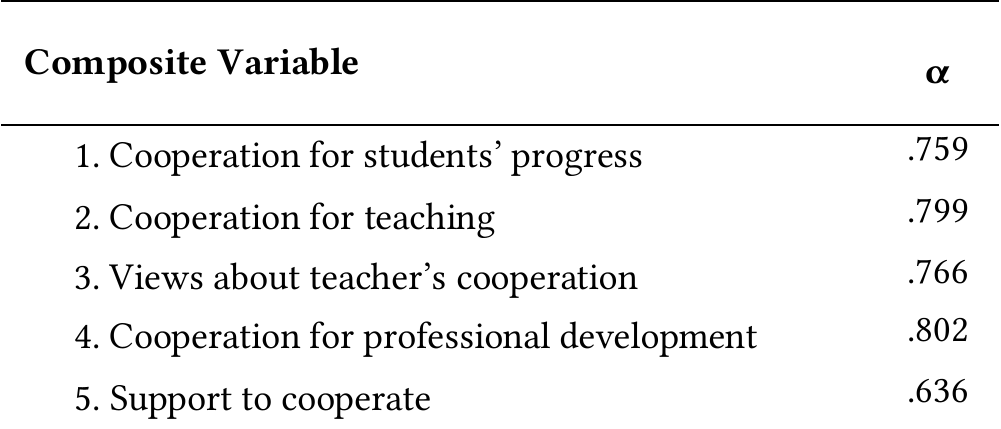
The researchers utilized Social Network Theory, which views the school not just as a building, but as a web of information exchange. They categorized cooperation into five distinct dimensions to see where the links were strongest and where they were failing:
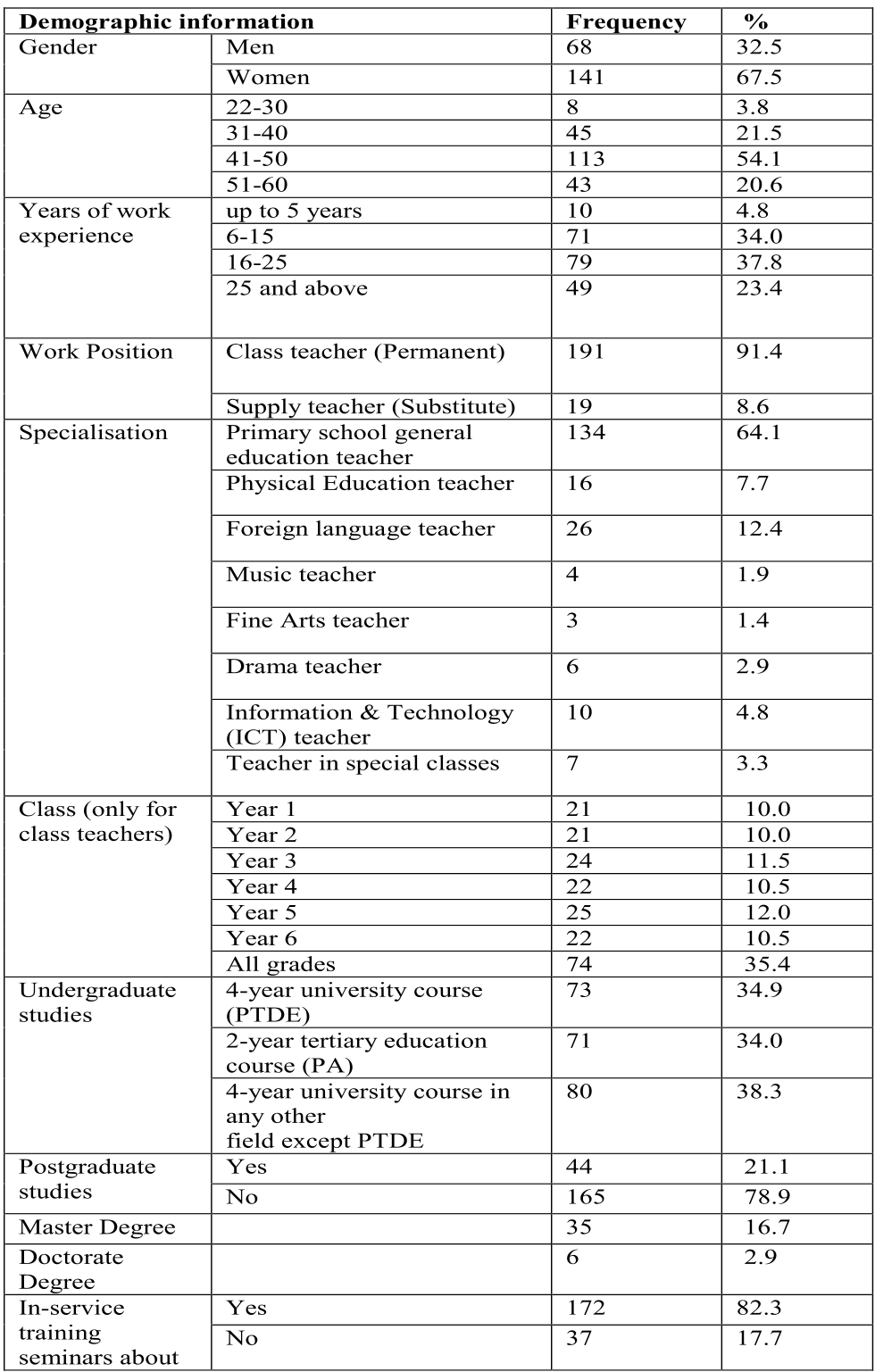
By surveying 209 in-service teachers, they analyzed how factors like in-service training and specialization influenced the density of these professional networks.
Hard Data: The Specialist vs. Generalist Gap
The results provide a reality check for policy-makers. While general cooperation scores were "good" (averaging around 3.8 to 4.0 on a 5-point scale), a deep dive into the ANOVA results reveals a "silo effect":
- ICT and PE Isolation: Physical Education and ICT teachers showed statistically higher levels of isolation. ICT teachers, in particular, were often viewed (and viewed themselves) as providers of a "tool" rather than integral partners in the curriculum, despite the theoretical goal of ICT being "diffused" across all subjects.
- The Power of Training: The only significant demographic differentiator was in-service training. Teachers with specific training in communication were far more likely to engage in "communities of practice."
Predictors of Success: What Drives Student Progress?
The most striking find comes from the Stepwise Regression analysis. The authors sought to find what actually predicts "Cooperation for Student Progress."
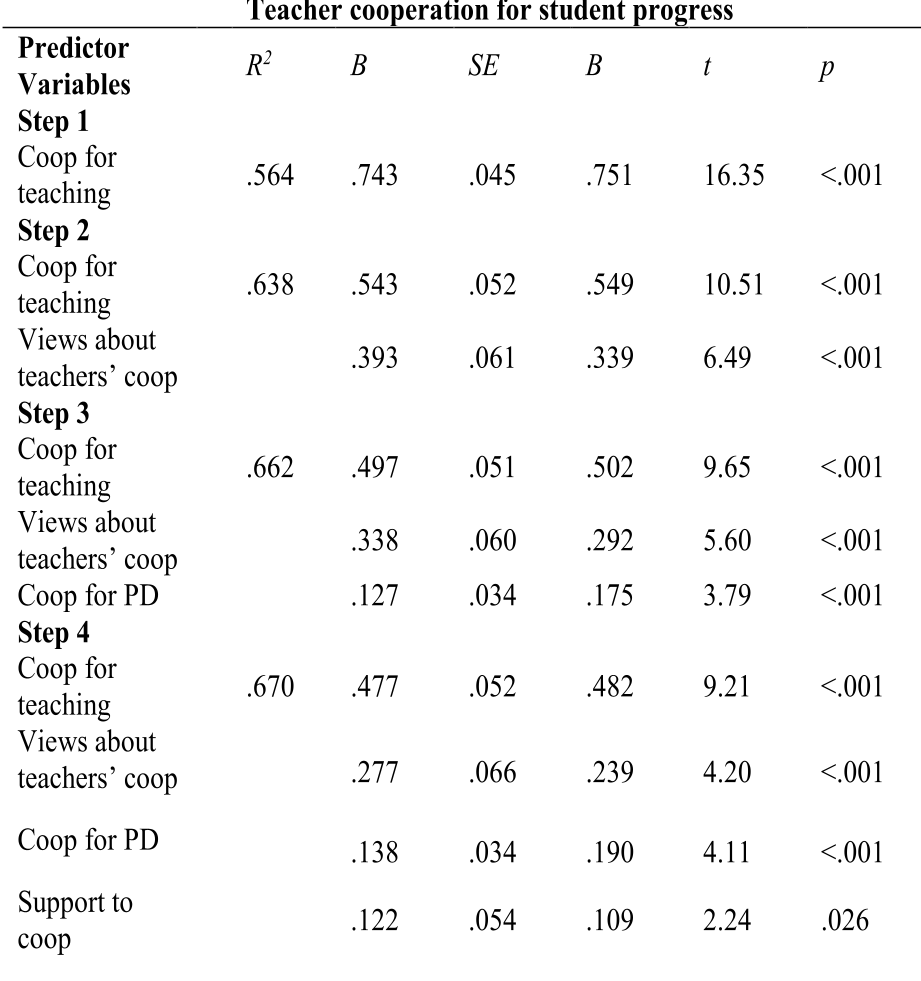
- Cooperation for Teaching (Beta = .482) was the most powerful predictor. This means that simply "getting along" or "liking the school climate" isn't enough. Teachers must engage in the difficult work of joint planning and methodological discussion to actually benefit the students.
Critical Insight & Future Outlook
The study concludes that Greek primary schools are currently in a "transitional" state. The structures are there, the personnel are there, but the collaborative culture is still maturing.
The Takeaway for Education Leaders:
- Stop treating ICT/PE as "extras": Integrating these specialists into weekly planning meetings is vital.
- Training over Structure: Investing in collaborative skill-building is more effective than simply rewriting the timetable.
- Recognize Interdependence: Schools achieve the best outcomes when they function as "Learning Communities" where professional development is a collective responsibility, not an individual chore.
Limitations
As a quantitative study based on self-reported data, there is a risk of "social desirability bias" (teachers reporting higher cooperation than actually exists). Future qualitative research (field observations) is needed to verify these professional interactions in real-time.