
Beyond the Tech-Guru: Redefining the Smart Home through Protection, Productivity, and Pleasure
Protection, Productivity and Pleasure in the Smart Home: Emerging Expectations and Gendered Insights from Australian Early Adopters
This paper introduces the "3Ps" framework (Protection, Productivity, and Pleasure) to analyze the adoption of smart home technologies among early adopters in Australia. Through an ethnographic study of 31 households, it uncovers how gendered dynamics influence the utility and desirability of ambient computing, ultimately proposing design interventions to move beyond the masculine "technical guru" archetype.
TL;DR
Industry expectations for the smart home often clash with the messy reality of domestic life. This paper analyzes why uptake is slow—particularly among women—by introducing the 3Ps framework (Protection, Productivity, Pleasure). It argues that for the smart home to succeed, it must move away from being a "hobbyist's toy" and toward becoming a seamless tool for care and coordination.
The "Solution in Search of a Problem"
Despite years of hype, smart homes often feel glitchy and unnecessary. The core issue? The industry is plagued by technological solutionism—fixing problems that don't exist while ignoring the social context of the home. Currently, most smart homes are managed by a "Technical Guru" (typically male), leaving other householders, particularly women, feeling like "damsels in distress" or frustrated collateral users of a system they didn't ask for.
Methodology: High-Touch Ethnography
The researchers didn't just send out surveys; they walked through 31 homes. They used Digital Ethnography to see how smart locks, voice assistants, and automated lights actually fit into the "rhythms and cycles of everyday family life."
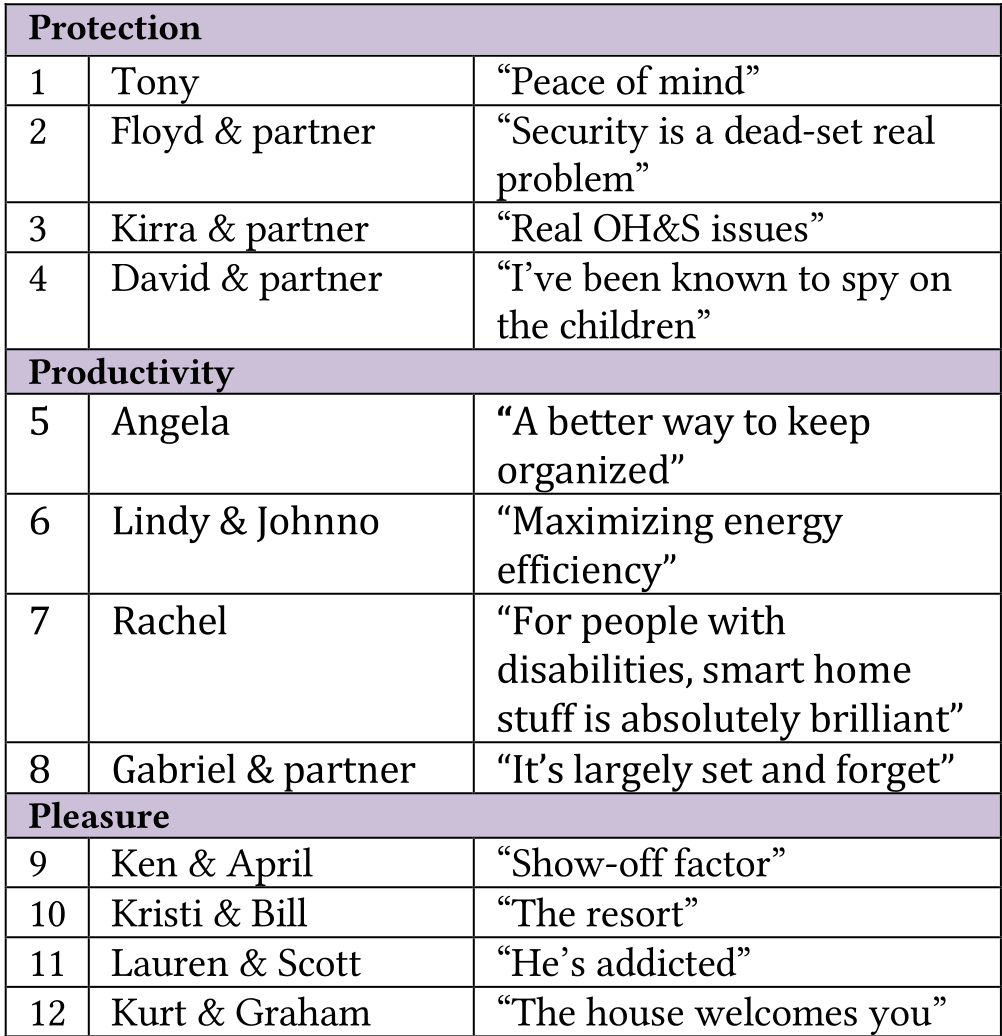 Table 1: The 3Ps framework mapped against real-world participant experiences.
The 3Ps: Reinterpreting Value
The paper redefines Intel’s "3Ps" through a sociological lens:
1. Protection: From Security to "Care-full Surveillance"
While industry focuses on intruders, users focus on care. Men in the study used cameras to express a "care-full masculinity"—checking if the kids did their homework or if the dog was stuck in the doggy door. However, the dark side is "Toxic Masculinity," where these same tools can be used for domestic surveillance or locking partners out of the house.
2. Productivity: The "Time Bind"
Productivity isn't just about energy efficiency; it’s about small conveniences. For busy mothers/CEOs, "Alexa" is a multitasking tool for scheduling and hands-free coordination. Yet, there’s a trap: as chores become "automated," expectations for cleanliness and work-output often rise, creating a "time bind" rather than true leisure.
3. Pleasure: The "Ambient Resort"
Pleasure comes from aesthetics and play. Participants described turning their homes into "resorts" through mood lighting and music. For many women, this was the primary entry point—using tech to move from "tinkering" to "hosting and homemaking."
The "Digital Housekeeping" Tax
A major takeaway is the burden of Digital Housekeeping. Smart homes require constant updates, troubleshooting, and "tinkering."
- The Gender Gap: Men often view this "tech-work" as a pleasurable hobby.
- The Problem: Women often see it as an annoying addition to an already full load of domestic labor.
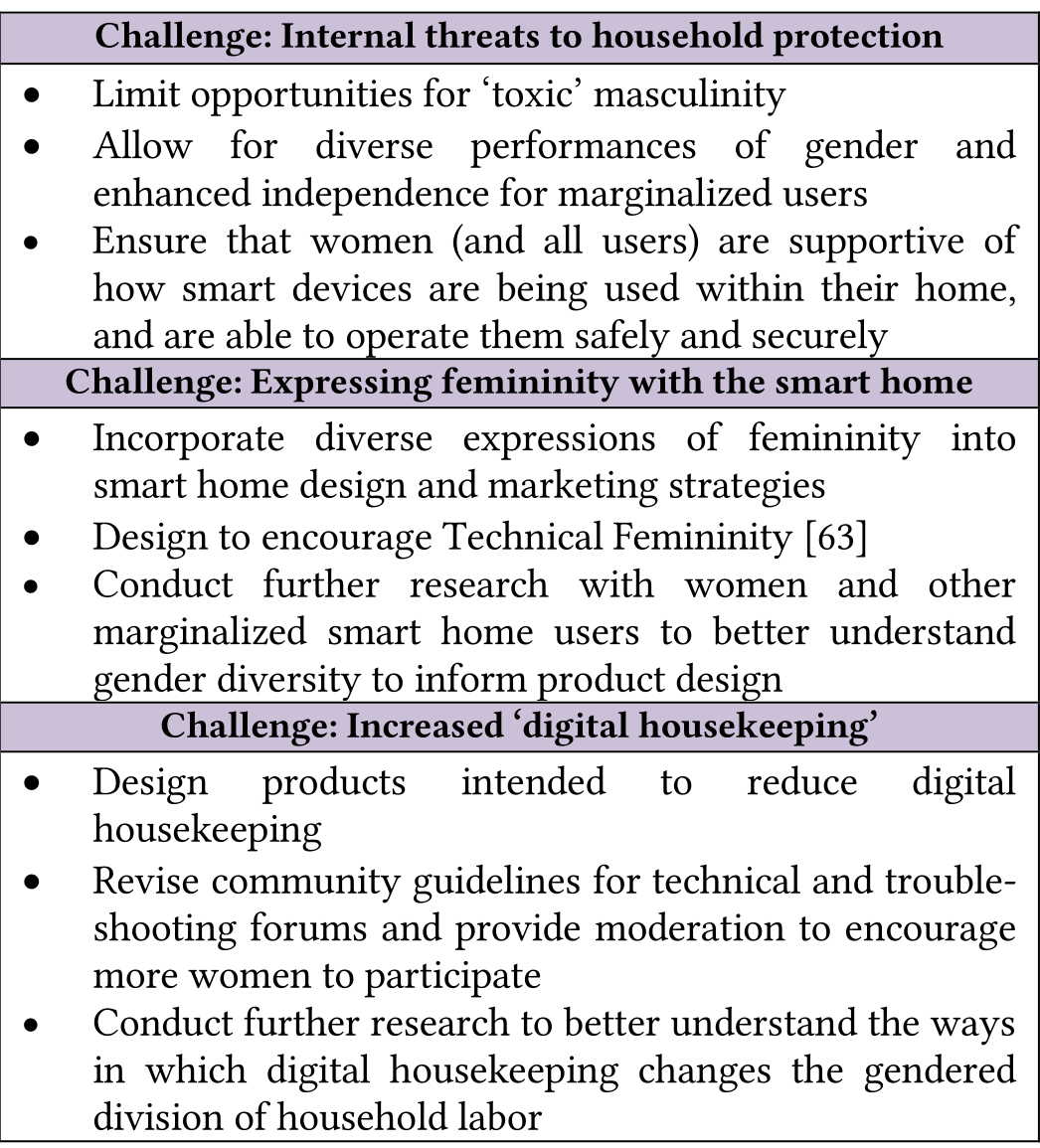 Table 2: Key design challenges identified to mitigate gendered imbalances.
Critical Insight: Designing for "Technical Femininity"
The paper concludes that HCI designers must stop treating male tech use as the "norm." Instead, they should:
- Avoid Toxic Masculinity: Design features that prevent one user from having total, opaque control over others.
- Support Technical Femininity: Create tools that assist with the emotional and coordination labor that women often lead in the household.
- Just Make It Work: Reduce the need for "digital housekeeping" so the home remains a place of sanctuary, not a maintenance project.
Final Takeaway
The smart home won't go mainstream until it stops being a "geek's playground" and starts being a "care-giver's assistant." The 3Ps offer a roadmap to get there, but only if we acknowledge that the "smart" in smart home must include social and gender intelligence.