
SocialNet: Bridging the Information Gap in Psychiatric Care via Private Social Networks
Psychiatric Patients Tracking Through a Private Social Network for Relatives: Development and Pilot Study
The paper presents SocialNet, a pioneer private social network developed for tracking the daily activities and progress of severe mental health patients (primarily schizophrenic). The system creates a secure, restricted social interaction context that connects patients, formal caregivers, and relatives to facilitate social integration and recovery.
TL;DR
SocialNet is a specialized, private social network designed to solve the "information blackout" experienced by relatives of schizophrenic patients. Developed using Drupal and Agile methodologies, it provides a secure "Patient Wall" where caregivers and family members can track daily activities and progress, ultimately fostering a stronger support ecosystem for recovery.
Background Positioning
In the landscape of E-health, most social tools are either public-facing support groups on platforms like Facebook or internal hospital management systems. SocialNet occupies a unique "Middle-Ware" position—it is a patient-facing system that extends clinical care into the community while maintaining the privacy rigors of a medical environment. It is a pioneering effort to formalize informal care networks through digital transformation.
The "Lack of Information" Problem
The treatment of severe mental disorders like schizophrenia is not a sprint, but a marathon. While hospitals handle acute episodes, the vast majority of recovery happens in day-care centers and supervised flats.
During these periods, a critical bottleneck occurs:
- Caregivers are overwhelmed with heavy workloads, making regular family updates difficult.
- Relatives report significant emotional and physical stress due to a lack of visibility into the patient's daily life.
- Patients may struggle to self-report their activities accurately due to their clinical condition.
Existing social media cannot solve this because of Privacy and Control issues. Clinical data cannot reside on servers where the provider (e.g., Meta or Twitter) owns the data or utilizes it for advertising.
Methodology: The Private Wall Metaphor
The core of SocialNet is the Patient's Wall. Using Drupal’s Organic Groups (OG) module, the developers created an encapsulated environment for every patient.
Secure Interaction Flows
The architecture relies on a strict hierarchy of roles:
- Passive Users: Relatives who can only view updates.
- Active Users: Relatives or patients who can write comments or post media.
- Caregivers: The primary content creators who document progress through text, photos, and video.
- Supervisors/Managers: Ensure the institutional integrity of the platform.
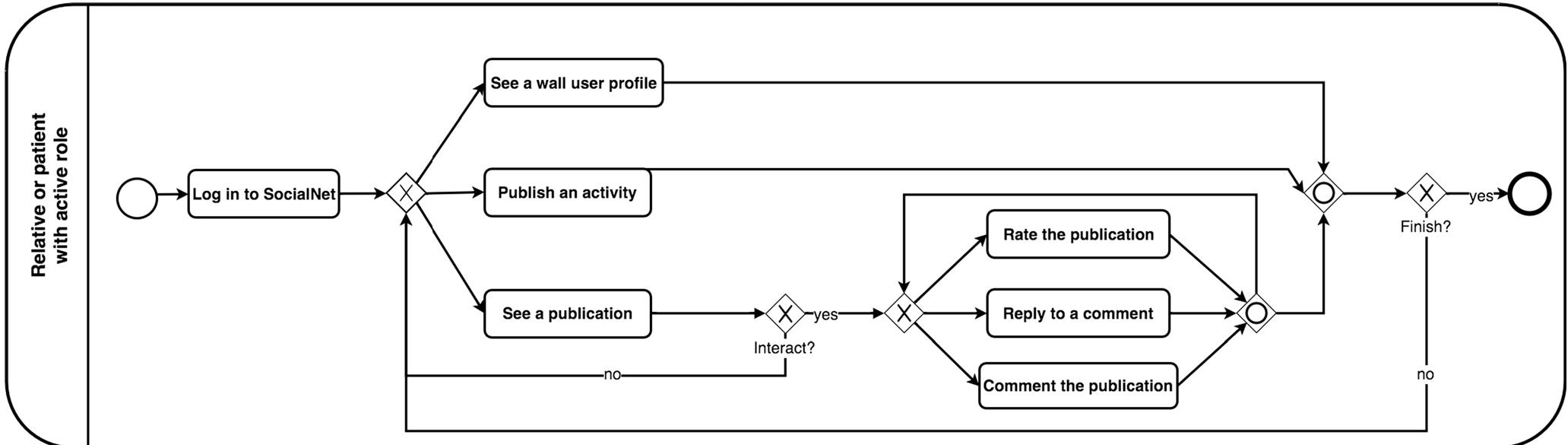 Fig 1: The interaction flow demonstrates how relatives transition from passive observers to active participants in the patient's recovery journey.
Technical Stack
The system is built on Drupal, leveraging modules like Plupload for multimedia and Bootstrap for a responsive, mobile-first interface. This allows caregivers to upload updates from supervised flats or field activities using their smartphones, ensuring real-time data flow.
Usability Evaluation and Redesign
To ensure the tool didn't become a burden itself, the researchers conducted a two-stage usability study.
Stage 1: Heuristic Evaluation Experts applied Nielsen’s 10 usability heuristics. The most significant failures were in "User Control and Freedom" and "Minimalist Design." Specifically, the technical complexity of the Drupal interface needed to be "shaved down" to prevent cognitive overload for users who may already be under high stress.
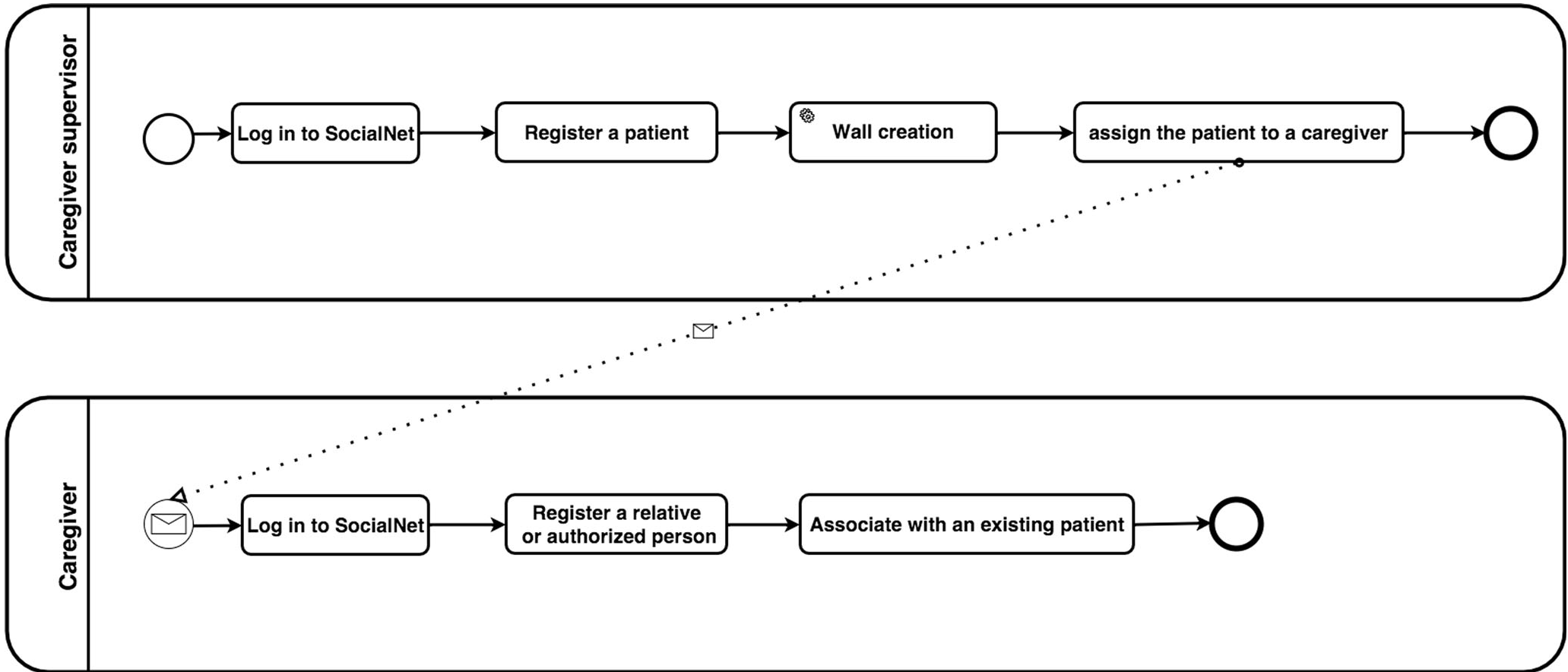 Fig 2: The streamlined process for wall creation ensures that even non-technical clinical supervisors can deploy private spaces for new patients efficiently.
Critical Insights & Future Outlook
SocialNet’s success isn't just in its code; it’s in its Inductive Bias toward privacy. By restricting access exclusively to those authorized by the patient or legal guardian, it creates a "digital safe haven."
Key Takeaways:
- Recovery as a Collective Effort: SocialNet shifts the focus of technology from "monitoring" to "interaction," recognizing that family involvement is a primary determinant of a positive prognosis in schizophrenia.
- Beyond Psychiatry: This model is highly extensible to other chronic care scenarios, such as nursing homes for dementia patients or palliative care, where the "informational gap" between institution and family is equally wide.
Limitations: The platform’s success relies heavily on the willingness of caregivers to post updates. If clinical staff view this as additional "paperwork" rather than a therapeutic tool, the walls will remain silent. Future work must integrate these updates into the existing clinical workflow to reduce redundant data entry.
Conclusion
SocialNet represents a vital step toward a more holistic, connected mental health infrastructure. By leveraging the social dynamics of the internet while enforcing clinical-grade privacy, it empowers families and helps normalize the lives of patients in the community.