
Public Friends and Private Sharing: Navigating the New Boundaries of Digital Intimacy
Public Friends and Private Sharing: Understanding Shifting Privacies in Sharing Culture
This sociological study explores the tension between privacy and the pervasive sharing culture among 18-36 year-old London residents. Using media diaries, interviews, and a survey (N=270), the authors identify shifting concepts of privacy that favor social control over institutional compliance, introducing the concepts of "public friends" and "private sharing."
TL;DR
Is privacy a relic of the past? While tech moguls like Mark Zuckerberg once proclaimed the end of privacy, this research reveals a more nuanced reality. For young adults in London, privacy is very much alive but has shifted from a legalistic right to a lived strategy of social navigation. By leveraging "private sharing" for close circles and "depersonalized personas" for the public, users are actively rewriting the rules of the Sharing Culture.
The "Privacy Paradox" and the Networked Self
The digital age presents a glaring contradiction: we share more personal data than ever, yet we claim to value our privacy. This paper argues that the traditional definition of privacy—total control over who sees what—is becoming an "antique" theory. In reality, modern users are less worried about a "Big Brother" government and more concerned about their "Little Brother" peers, parents, and future employers.
Methodology: Beyond the Survey
The authors didn't just ask people what they thought; they looked at what they did. By using media diaries, they captured the reflexive process of sharing in real-time. This qualitative depth allowed them to see the hesitation behind a "like" and the calculated strategy behind a "tag."

Core Findings: Three Pillars of Modern Privacy
1. Public Friends vs. Private Sharing
The study highlights a fascinating linguistic shift. Younger users (aged 18-24) now categorize their connections as "Public Friends"—an oxymoron that describes the wide, often unknown network of social media followers. To counteract this, they engage in "Private Sharing" through direct messages or ephemeral platforms like Snapchat, creating "safe harbors" within the vast ocean of public platforms.
2. The Rise of the "Persona"
Social media profiles are no longer authentic mirrors of the self; they are curated exhibitions. Respondents described presenting their "most interesting self" or an "enhanced version" to manage social expectations. This is a strategic depersonalization where the "messy bits" of life are edited out to maintain a professional or socially acceptable digital persona.
3. Depersonalization as a Shield
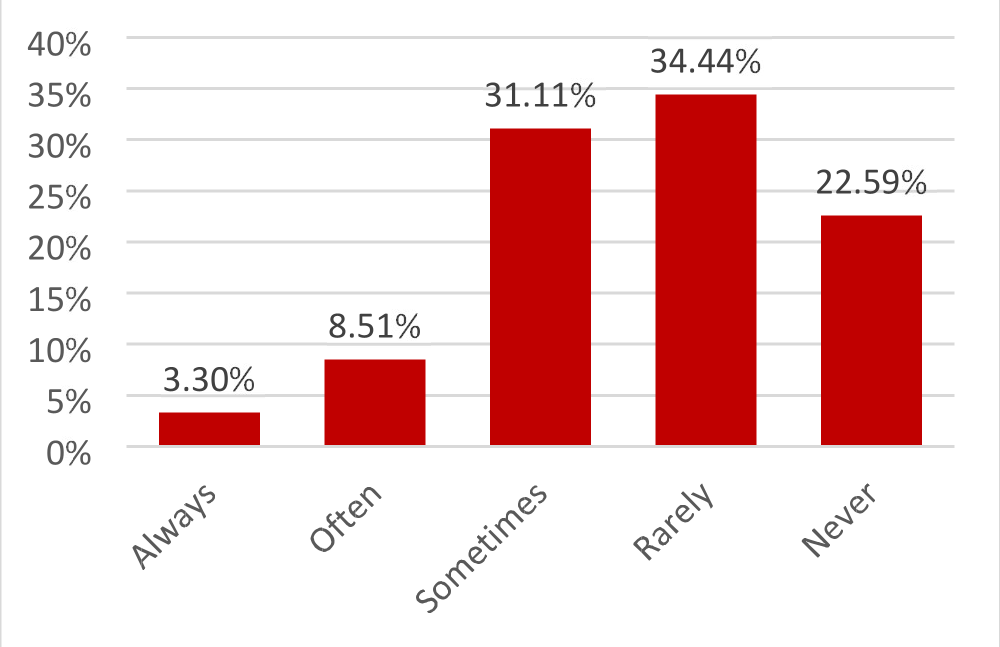
Perhaps the most striking finding is the move away from sharing intimate details. Contrary to the "oversharing" stereotype:
- 57% of respondents rarely or never share personal thoughts.
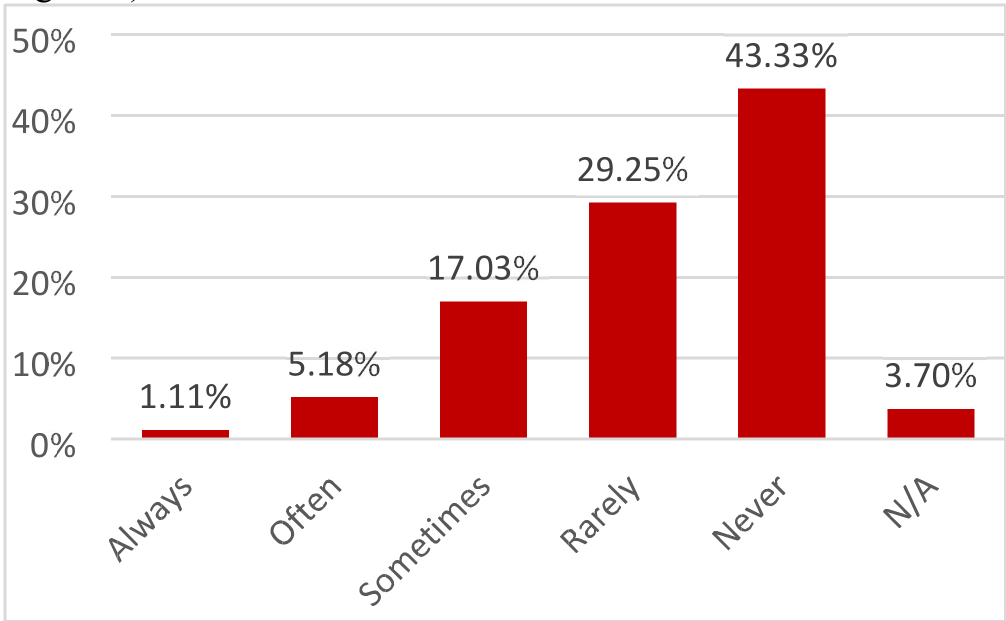
- 43% never share details about romantic relationships.
- 66% rarely or never share details about family.
Critical Insight: Social vs. Institutional Privacy
The research confirms a massive gap in user perception: Social Privacy (privacy from people) is highly managed, while Institutional Privacy (privacy from algorithms and corporations) is often ignored. This isn't necessarily due to lack of care, but a sense of resignation. Users feel they have "no choice" but to accept corporate terms to stay connected, focusing their energy instead on managing their immediate social environment.
Conclusion: The New Normal
The study concludes that privacy in a sharing culture is not a binary state (private vs. public) but a dynamic performance. Users are becoming "digital choreographers," carefully balancing the need for human connection with the necessity of self-protection. As we move further into an era of massive data harvesting, the skills developed by these "sharing diarists"—coding content, depersonalizing posts, and managing personas—will become the essential literacy of the 21st century.
Takeaway for Researchers & Designers
Platforms that ignore the distinction between "public friends" and "private circles" risk alienating users. Future social tech must prioritize granular social control over simple "public/private" toggles, recognizing that the modern user wants to be seen, but on their own highly curated terms.