
Quinoa Traceable System: Leveraging IoT to Secure the "Ancient Gold" Supply Chain
Quinoa Traceable System Based on Internet of Things
This paper presents a Quinoa Traceable System based on the Internet of Things (IoT), integrating ZigBee, GPRS, and fuzzy data mining. The system achieves SOTA-level lifecycle monitoring—from cultivation and processing to warehousing—providing a low-cost, full-process traceability solution for the emerging quinoa industry.
TL;DR
As the global demand for Quinoa—often called "ancient gold" nutrition—skyrockets, ensuring food safety and standardized cultivation is paramount. This paper introduces a comprehensive IoT-based Traceability System that monitors everything from soil moisture in the field to the final delivery bag. By combining ZigBee sensor networks, GPRS gateways, and fuzzy data mining, the researchers have built a transparent supply chain that reduces costs compared to international counterparts.
Problem & Motivation: The Visibility Gap in Specialty Agriculture
Traditional agriculture suffers from a "black box" effect. Once a product leaves the farm, the consumer has no way of verifying the pesticide levels, fertilization history, or the environmental conditions it was grown in. For a high-protein, functional food like quinoa, this lack of transparency limits market value and safety oversight.
The authors identify a critical gap: existing traceability systems are either too manual (prone to error) or too expensive for small-to-medium agricultural bases. Their motivation was to create a scientifically-backed, low-cost solution that provides "field-to-table" visibility.
Methodology: The Five-Layer Architecture
The system is built on a robust hierarchical framework designed for reliability in harsh field environments.
1. Hardware & Network Layer (The Nervous System)
Using a self-organizing ZigBee network, the system collects multi-dimensional data including:
- Soil Parameters: Temperature and moisture.
- Atmospheric Data: Air temperature, humidity, and light intensity.
- Visual Monitoring: Cameras placed in both fields and processing units.
The data is aggregated at a ZigBee gateway and then pushed to a central server via GPRS, ensuring that even remote fields without Wi-Fi can transmit status updates.
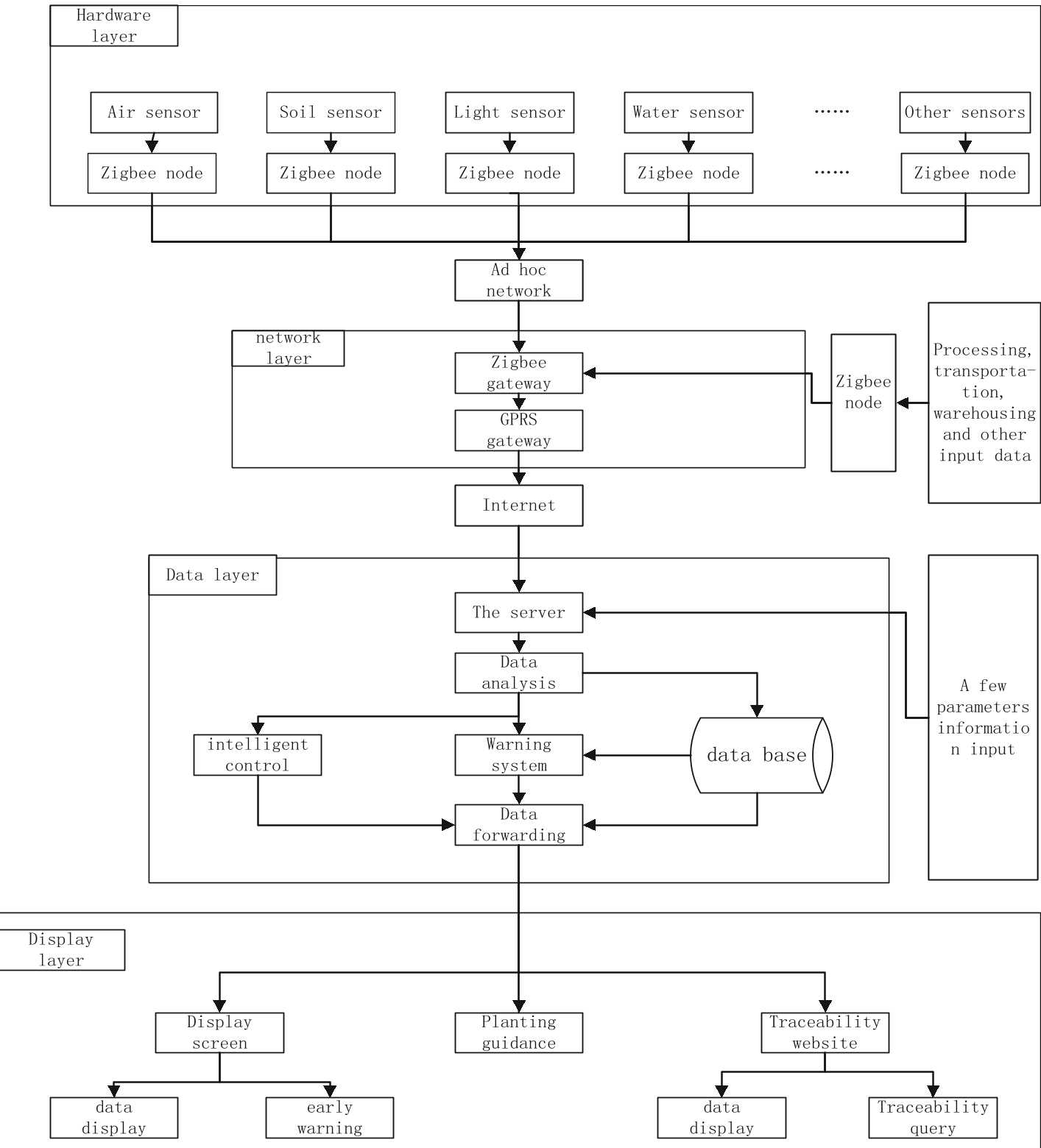 Figure 1: The hierarchical architecture of the IoT Traceability System.
2. Data & Display Layer (The Brain)
The back-end server parses raw byte arrays into human-readable formats (e.g., converting hex codes to 20°C). Beyond simple storage, the system uses fuzzy data mining to trigger text message warnings if environmental thresholds (like water temperature or soil humidity) suggest a risk of crop disease.
Experiments & Results: Real-World Validation
The system underwent preliminary testing at a dedicated experimental base. The researchers established rigorous processing rules to handle high-frequency sensor data.
| Measurement Item | Range | Mode |
|---|---|---|
| Air Temp | 0-50°C | Continuous |
| Illumination | 1-65532 lx | Continuous |
| Soil Moisture | 0-100% | Continuous |
The "Traceability Query" function was the highlight of the user-end testing. By scanning a QR code on the packaging, consumers could access a historical trace of the product's journey.
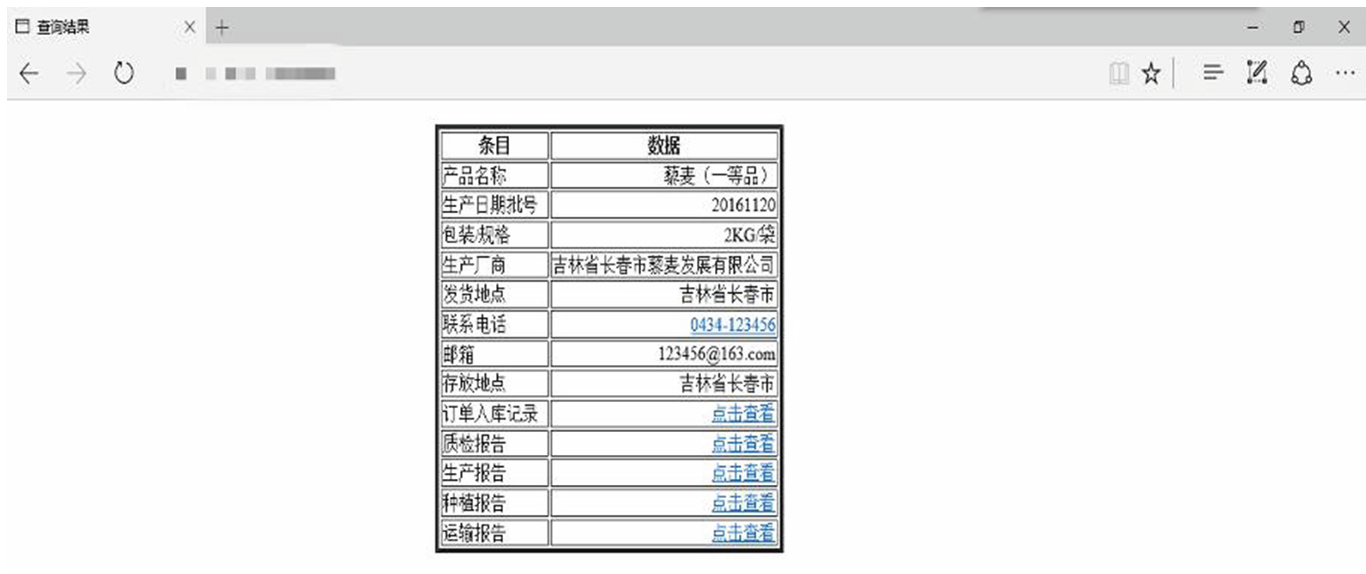 Figure 2: User interface showing the full lifecycle query of a quinoa batch.
Critical Analysis & Conclusion
Takeaway
The core contribution of this work is the integration of heterogeneous technologies (ZigBee, GPRS, WebGIS) into a singular, affordable package tailored for the quinoa industry. It shifts the paradigm from "reactive testing" to "proactive monitoring."
Limitations & Future Work
While the system is functional, the authors candidly admit two main hurdles:
- Energy Consumption: Continuous sensor transmission drains battery life quickly in remote fields.
- Model Precision: The disease prediction models require more historical data to improve their accuracy.
In the future, we can expect this system to evolve towards Edge Computing, where data is processed locally at the gateway to save power, and potentially Blockchain integration to ensure that once a record is written, it can never be tampered with by actors in the supply chain.
Keyword Tags: #IoT #Agriculture4.0 #QuinoaTraceability #ZigBee #PrecisionFarming