
Sharing the ‘Real Me’: The Hidden Psychology of Facebook Privacy
Sharing the ‘Real Me’ – How Usage Motivation and Personality Relate to Privacy Protection Behavior on Facebook
The study investigates how usage motivation (need fulfillment) and Big Five personality traits influence privacy protection behaviors among 280 Facebook users. It distinguishes between technical "Privacy Settings" management and "Other Protection Strategies" like blocking or deleting posts, revealing distinct psychological drivers for each.
TL;DR
Why do some users lock down their profiles while others leave the digital door wide open? A study of 280 German Facebook users suggests it isn't just about "caring" for privacy. Instead, the management of Privacy Settings is driven by the internal need for Meaningfulness and Stimulation, whereas active Protection Strategies (like blocking or untagging) are tied to personality traits like Extraversion.
Problem: Beyond the Privacy Paradox
We have known about the "Privacy Paradox"—the gap between saying we care about privacy and actually sharing everything—for years. However, this paper argues that the paradox is more nuanced. Prior work often ignored the motivation behind sharing. If Facebook fulfills a deep psychological need, privacy becomes a secondary "cost." To design better privacy tools, we must understand the "Why" (Motivation) and the "Who" (Personality).
Methodology: Quantifying the Digital Guard
The researchers categorized privacy behaviors into two distinct buckets:
- Privacy Settings (PS): The structural, technical barriers (e.g., "Who can see my email?").
- Other Protection Strategies (OS): Behavioral interventions (e.g., blocking users, deleting posts, untagging photos).
They mapped these against the Big Five Personality Traits and Seven Psychological Needs (including Autonomy, Competence, Relatedness, and Meaningfulness).
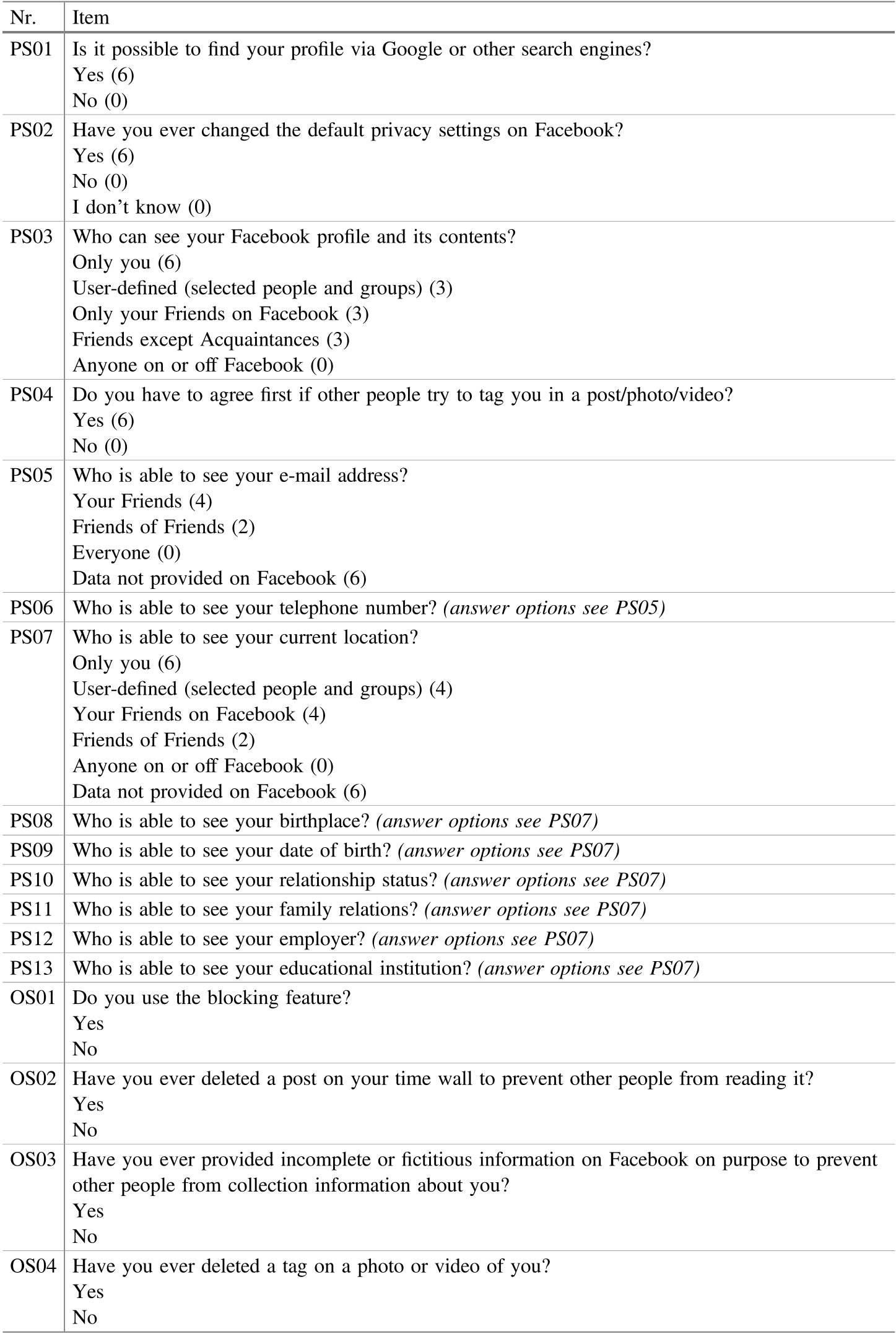 Table 1: The specific items used to quantify technical settings vs. behavioral strategies.
Key Insights: Why Your Personality Matters
The study’s most counterintuitive finding involves Extraversion. One might assume extraverts, who enjoy social interaction, would be more lax. In reality:
- Extraverts use MORE active protection strategies. Because they have larger networks, they encounter more situations requiring "damage control" (deleting tags or blocking casual acquaintances).
- Agreeableness matters: Users who score low on agreeableness are more likely to use the "blocking" feature, suggesting a lower threshold for social confrontation.
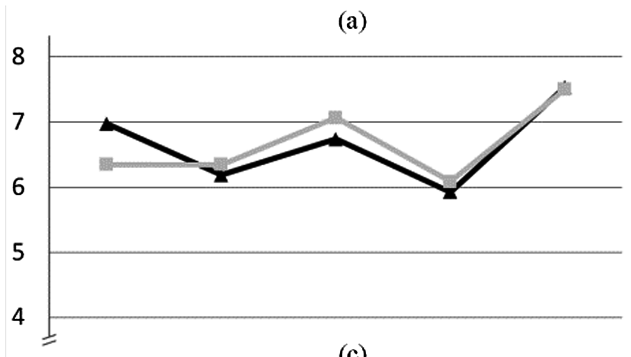 Fig 1: Differing personality profiles for users who delete posts vs. those who don't.
The "Meaningful" Trade-off
When it comes to the technical Privacy Settings, the driver is Motivation. Users who feel that Facebook makes them feel "Meaningful" (helping them move toward an ideal version of themselves) or provides "Pleasure-stimulation" tend to have laxer privacy settings.
The Insight: Self-disclosure is a tool for self-actualization. To be seen as one's "Real Self," a user might feel they must be visible to a wider audience, regardless of the privacy risk.
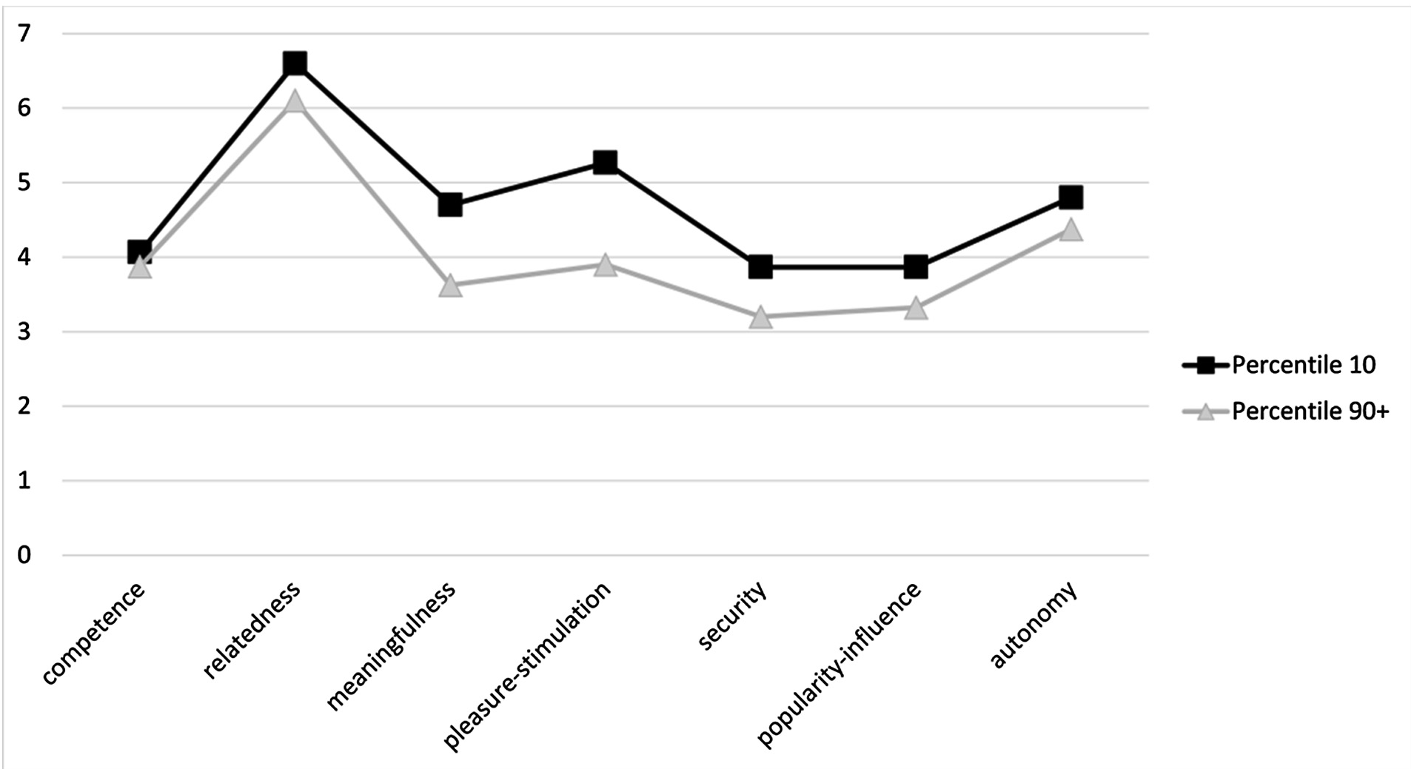 Fig 2: Comparison of need fulfillment between users with strict vs. lax privacy settings.
Critical Analysis & Conclusion
This research shifts the focus from "Privacy Awareness" to "Privacy Context."
Takeaways for Product Designers:
- Don't just build walls: Extraverts need better "damage control" tools (easier untagging/blocking), while introverts might need tools that help them build an "impressive online identity" without raw data disclosure.
- Account for Motivation: If a privacy feature gets in the way of a user feeling "stimulated" or "meaningful," they will bypass it.
Limitations:
The study relies on self-reported data from a largely student-based German population. Furthermore, the BFI-10 (a short-form personality test) has lower reliability than longer versions. Future research should look at actual behavior logs rather than survey responses to see if the "Real Me" matches the digital reality.
Conclusion: Privacy behavior isn't just about fear—it's about the balance between the need to protect oneself and the fundamental human urge to be known.