
SIRM: Bridging the Semantic Gap in Social Media Experience Sharing
Semantic Image Retrieval Model for Sharing Experiences in Social Networks
The paper introduces the Semantic Image Retrieval Model (SIRM), a multi-agent framework designed for social networks to facilitate experience sharing. It integrates OWL ontologies with MPEG-7 Description Schemas to enable machine-understandable image annotation and retrieval, specifically achieving semantic indexing beyond simple keyword tags.
TL;DR
The Semantic Image Retrieval Model (SIRM) is a sophisticated framework that transforms how we share photos on social networks. By combining the MPEG-7 multimedia standard with OWL (Web Ontology Language), SIRM allows computers to understand the "experience" behind a photo—who was there, what was seen, and where it happened—enabling intelligent, context-aware image retrieval.
Background Positioning
In the current social media landscape (think Flickr or Facebook), image searching is often limited to flat hashtags or simple metadata. This paper moves the needle from "Social Networking" to "Semantic Social Networking." It positions itself as a solution for structured knowledge representation, moving beyond simple links between people to rich, semantic links between experiences.
Problem & Motivation: The "Blind" Social Network
Most social networks are effectively "blind." While they know who your friends are, they don't truly understand the content of the media you share. If you upload a photo of a flamingo at a zoo, the system might see the tag "bird," but it lacks the taxonomic or event-based context (e.g., that this photo was taken during a specific family trip).
The authors argue that:
- Manual Tagging is insufficient: It's time-consuming and inconsistent.
- Lack of Interoperability: Relational databases don't scale well for complex, hierarchical relationships between different domains (cities, animals, events).
Methodology: The SIRM Architecture
The core of SIRM is its multi-agent system, which breaks down the search process into specialized roles:
- Domain Search Agents (DSA): Identify which specific area (e.g., "Zoos") the user is interested in.
- Upper Ontology Search Agents (UOSA): Use the structural rules of MPEG-7 to define standard descriptors.
- Knowledgebase Agents (KBSA): The "brains" that query the specific OWL files containing the actual metadata of the photos.
Architecture Highlight
The system relies on a dual-ontology model: a Domain Ontology for specific knowledge and an Upper Ontology based on MPEG-7's semantic relations.
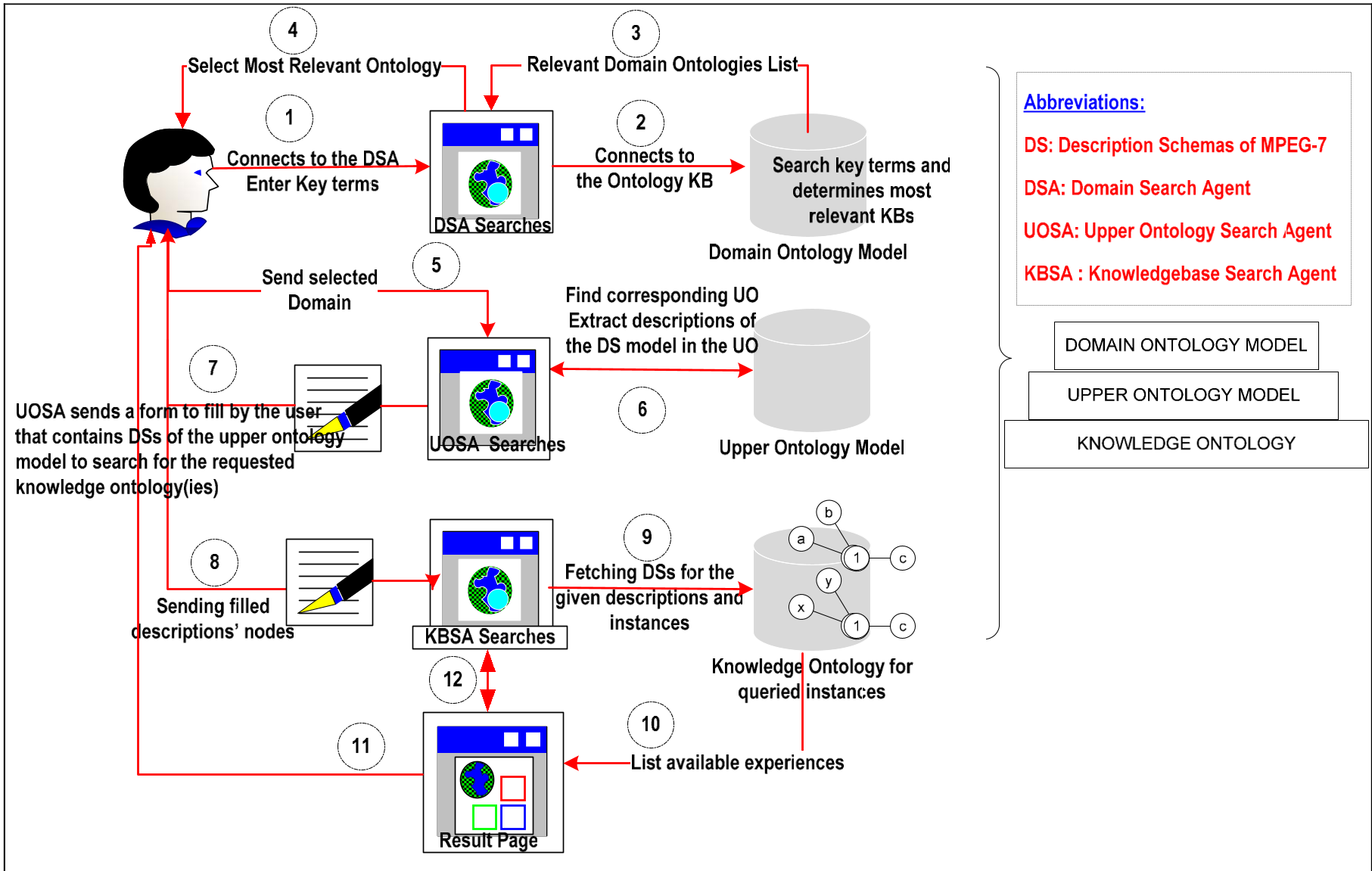 Figure 1: The step-by-step workflow of SIRM, showing the interaction between agents and users.
Experiments: The "Visit to Zoo" Case Study
To prove SIRM works, the authors created a scenario involving a trip to the zoo. By annotating photos with specific OWL object properties (like annotatedBy, locationOf, and appearsIn), they showed how a query for "Lesser Flamingo" doesn't just look for a filename, but traverses a graph:
- Taxonomy: Animals > Chordates > Birds > Flamingos.
- Context: Taken by "AsliApaydın" at "IstanbulZoo".
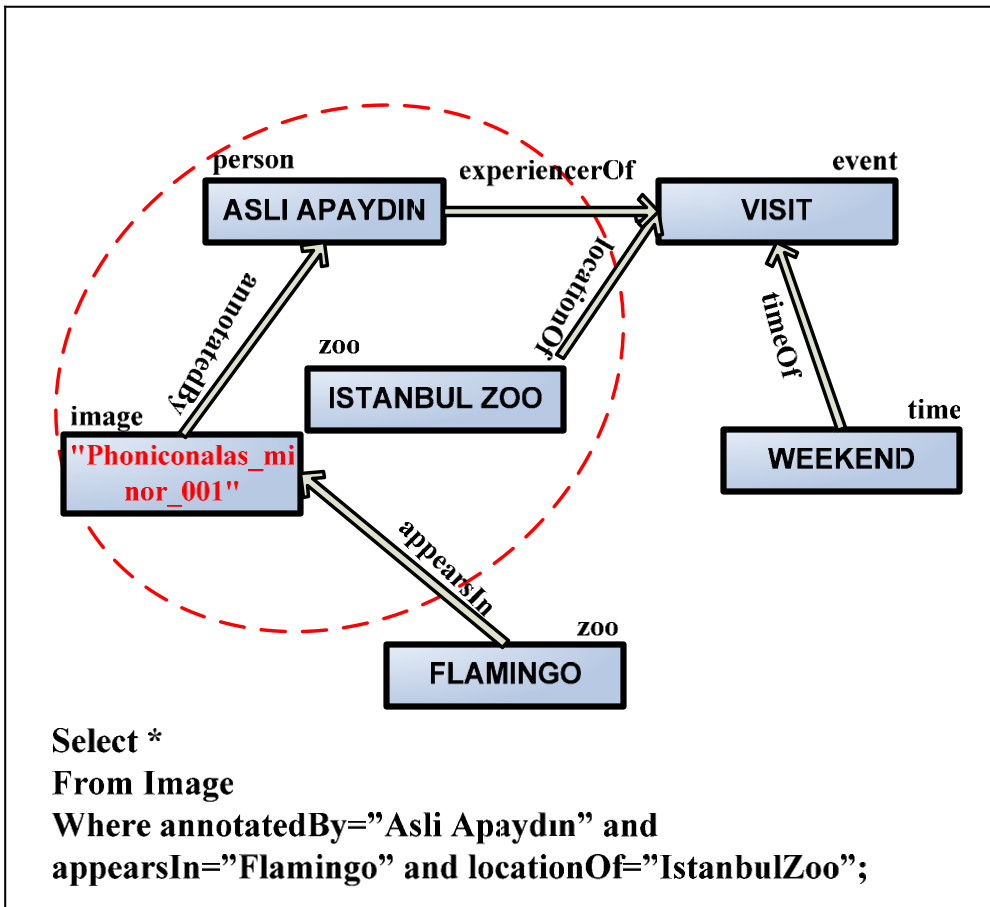 Figure 2: The process of searching for specific annotated images using semantic parameters.
Key Result
The model successfully filters images based on complex relationships. Instead of returning every bird photo, it specifically identified photos of "Lesser Flamingos" by matching the graph structure within the Zoo Knowledgebase.
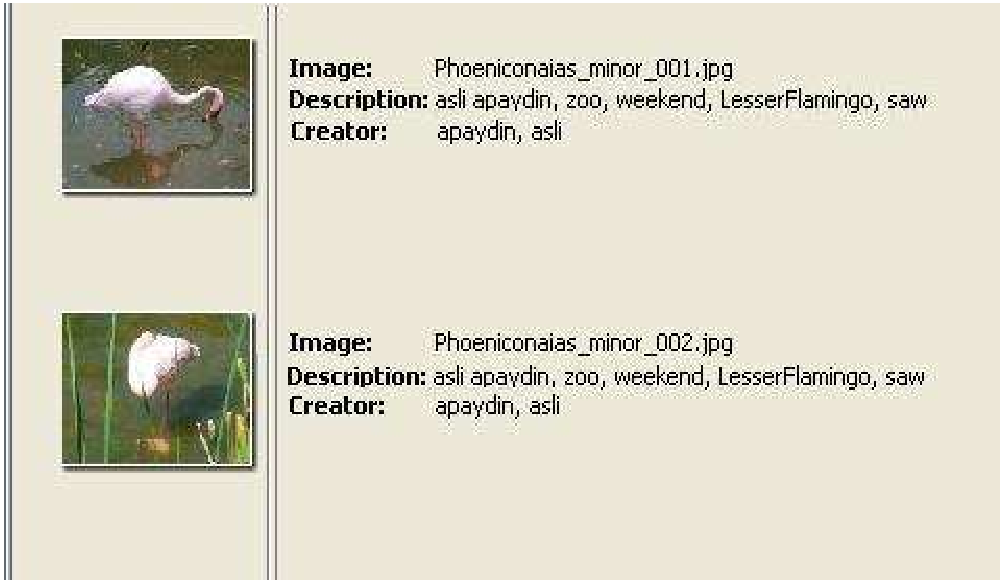 Figure 3: Semantic search results showing highly relevant image retrieval.
Critical Analysis & Conclusion
Takeaway
SIRM provides a robust blueprint for how social networks can transition into intelligent knowledge bases. By using MPEG-7 as the structural anchor and OWL for the reasoning logic, it creates a system where images are no longer isolated files but nodes in a meaningful web of experiences.
Limitations & Future Work
While powerful, the current model still requires a degree of manual annotation (creating the initial OWL instances). The authors suggest that future work should focus on mass image data and perhaps integrating more automated reasoning engines to further reduce human effort. In a world now dominated by AI-driven Computer Vision, merging SIRM's semantic structure with modern CLIP-style embeddings could be the ultimate "experience sharing" engine.