
ABASim: Reversing the Diagnosis Process to Simulate Autistic Behaviors
Simulating Behaviors of Children with Autism Spectrum Disorders Through Reversal of the Autism Diagnosis Process
The paper introduces ABASim (ADOS-Based Autism Simulator), a computational framework designed to simulate high-level behavioral responses of children with Autism Spectrum Disorders (ASD). By reversing the logic of the ADOS diagnostic tool, the system stochastically generates behaviors consistent with a child's age, language ability, and ASD severity.
TL;DR
Simulating the behavioral nuances of children with Autism Spectrum Disorder (ASD) is notoriously difficult due to the "spectrum" nature of the condition. Researchers from Carnegie Mellon University have developed ABASim, a simulator that reverses the Autism Diagnostic Observation Schedule (ADOS). Instead of using behaviors to find a diagnosis, it uses a desired diagnosis (severity, age, language) to generate realistic, stochastic behavioral responses.
Background Positioning
In the landscape of ASD research, we usually see two extremes: low-level neurological models or simple binary classifiers (ASD vs. Neurotypical). ABASim occupies a unique middle ground—a high-level behavioral model that accounts for individual differences, serving as a bridge between clinical diagnostics and autonomous robotics.
The Core Insight: Diagnosis as an Inverse Simulation
The traditional diagnostic process is a mapping:
Observed Behaviors → Diagnostic Codes → Severity Score.
The authors realized that for a simulator to be useful, it must perform the inverse:
Target Severity → Probabilistic Codes → Simulated Behaviors.
By using the ADOS-based Autism Space (ABAS), the researchers treat diagnostic codes as a feature space. However, simply picking random codes that sum up to a specific severity score isn't enough; in nature, certain traits (like eye contact and social smiling) are correlated.
Methodology: Building the ABASim Pipeline
The simulation follows a three-stage stochastic pipeline:
- Descriptor Mapping: A user inputs a child's age, language level, and ASD severity (1-10). The system determines the corresponding ADOS total score range.
- Feature Vector Generation: This is the "brain" of the system. Using real data from 67 children, the system uses a mean mapping method to generate 14 codes (features) that not only sum to the total score but also respect the statistical correlations found in real patients.
- Behavioral Rendering: Each code is mapped back to specific textual descriptions of behaviors (e.g., "Child points with index finger" vs. "Child produces an approximation of pointing").
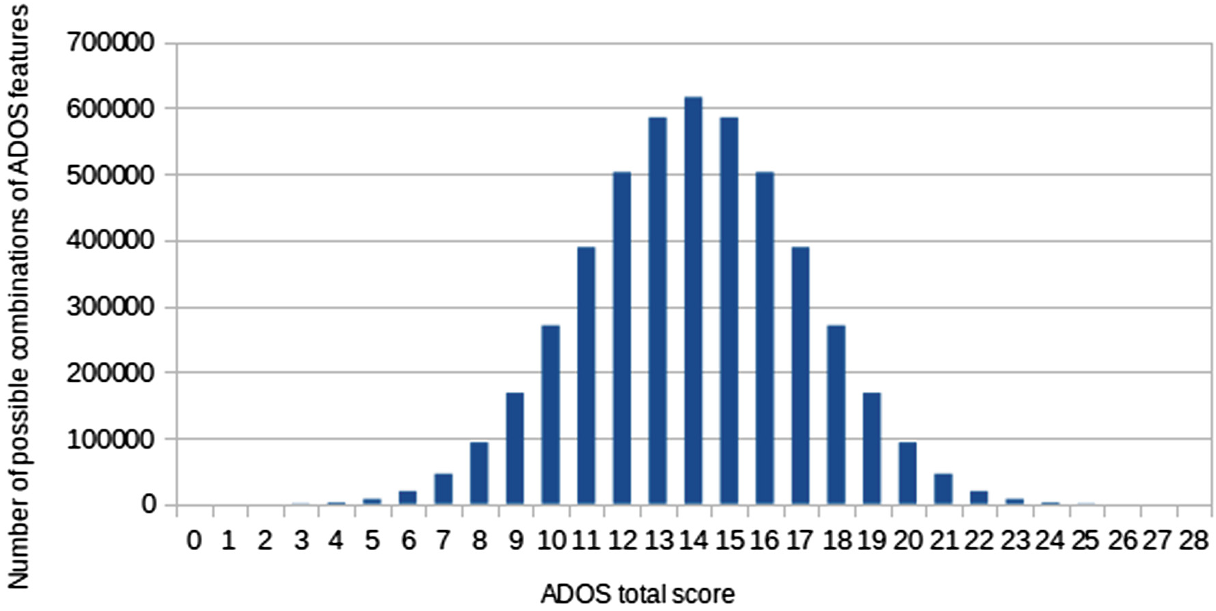 Figure 1: The ABASim pipeline, from high-level descriptors to specific behavioral responses.
Experiments and Statistical Validity
To ensure the simulator doesn't generate "impossible" children, the authors compared the correlation matrices of their generated data against real clinical data.
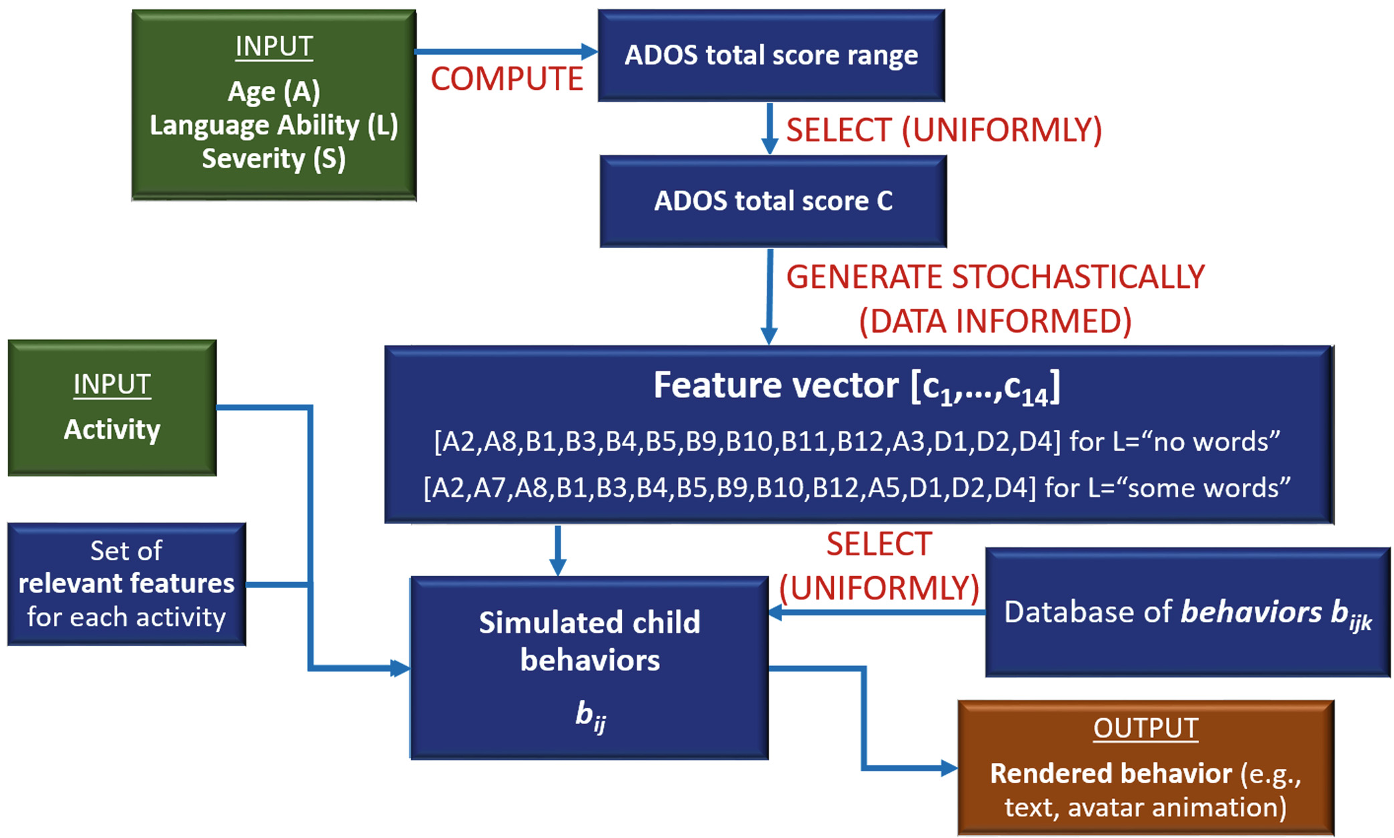 Figure 2: Spearman correlation coefficients showing that the simulator (right) successfully mimics the trait dependencies of real-world datasets (left).
The study found that traits like Hand and Finger Mannerisms (D2) are often less correlated with social traits like Eye Contact (B1), a nuance that the simulator successfully preserved.
Applications & Future Impact
The implications for this technology are two-fold:
- Socially Assistive Robotics: Robots can "practice" interacting with thousands of simulated ASD profiles in a virtual environment before ever entering a real therapy session.
- Therapist Training: Trainees can be exposed to a wider variety of "edge case" behaviors in a simulated environment, accelerating their ability to code behaviors accurately.
Conclusion
ABASim marks a shift from "one-size-fits-all" ASD models to a personalized approach. By leveraging the existing structure of clinical tools like ADOS, the authors have created a computationally grounded way to represent the diversity of the autism spectrum. While the current version renders behaviors as text, the future likely involves 3D animated avatars providing a full visual simulation of ASD behaviors.
Limitations
The primary constraint is the sample size (n=67). As more data is integrated, the "Autism Space" will become more refined, allowing for even more idiosyncratic behavior generation beyond uniform sampling.