
SMITag: Transforming Medical Diagnosis into a Social Semantic Network
SMITag: A social network for semantic annotation of medical images
SMITag is a collaborative web-based semantic annotation platform that bridges the gap between traditional DICOM viewers and social networks. It leverages an extended MUTO (Modular Unified Tagging Ontology) framework to enable medical experts to collaboratively tag, classify, and retrieve medical images using standard ontologies like RadLex, ICD-10, and FMA.
TL;DR
SMITag is a specialized tool that merges the technical requirements of a medical image viewer with the collaborative power of a social network. By extending the Modular Unified Tagging Ontology (MUTO), it allows doctors to not only view DICOM files but also semantically annotate "Regions of Interest" (ROIs) and share these insights with colleagues for consensus-driven diagnostics.
Contextual Positioning
In the landscape of medical informatics, we often see a divide: on one side are high-performance clinical viewers (DICOM Viewers) and on the other are experimental semantic web tools. SMITag positions itself as a hybrid "Academic SOTA" platform that addresses the bottleneck of "dark data" in medical imaging—information that is visible to human eyes but invisible to machine algorithms.
The Core Problem: The Isolation of Expertise
Current medical imaging workflows suffer from two main issues:
- Semantic Gap: Images contain complex anatomical structures that machines cannot parse without structured metadata.
- Siloed Knowledge: Tools like iPAD or RadSem allow a single doctor to tag an image, but they lack the "Social Loop." Medicine is inherently collaborative; a radiologist often needs a second opinion from a neurologist. Without a social layer, the consensus-building process is manual, slow, and unrecorded.
Methodology: Bridging DICOM and the Semantic Web
The authors built SMITag using a modular MVC (Model-View-Controller) architecture, utilizing Google Web Toolkit (GWT) for a responsive web interface and a Triple Store for RDF data persistence.
1. Architectural Integration
The system connects directly to a PACS (Picture Archiving and Communication System) via a WADO server. This ensures that the experts are working with clinical-grade data while benefiting from web-based accessibility.
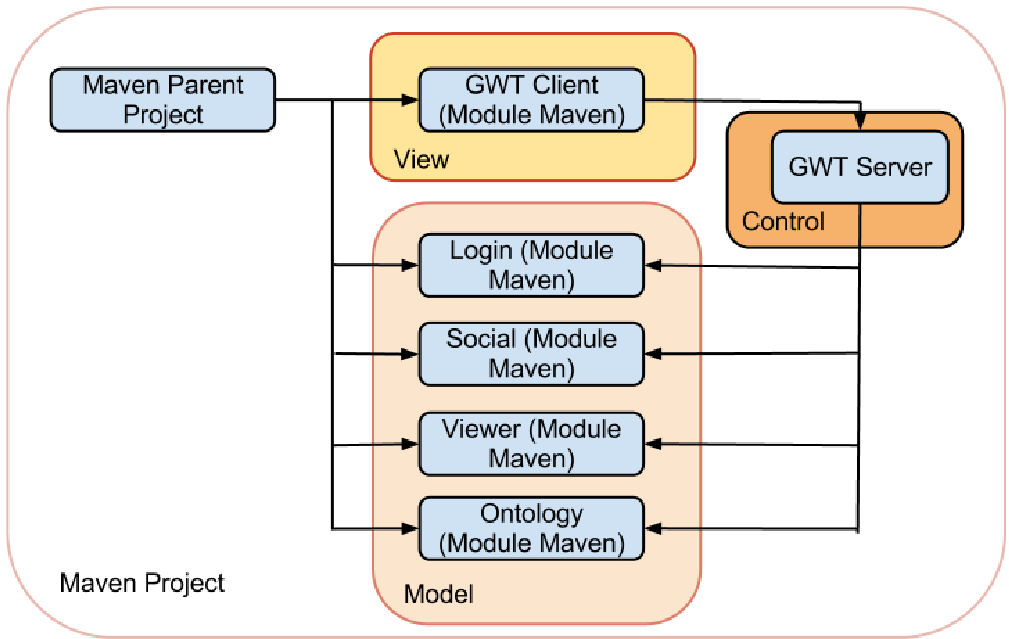 Figure 2: The functional architecture of SMITag showing the interaction between the WADO server and the modular controller.
2. The Extended MUTO Ontology
The breakthrough in SMITag is how it represents data. The authors extended the Modular Unified Tagging Ontology (MUTO) to include:
- smitag:ROI: Represents the geometry (points, polygons) of a finding.
- smitag:Physician: Links the expert's specialty (via DBpedia) to their annotations.
- muto:grantAccessTo: A property that transforms a private tag into a social collaborative resource.
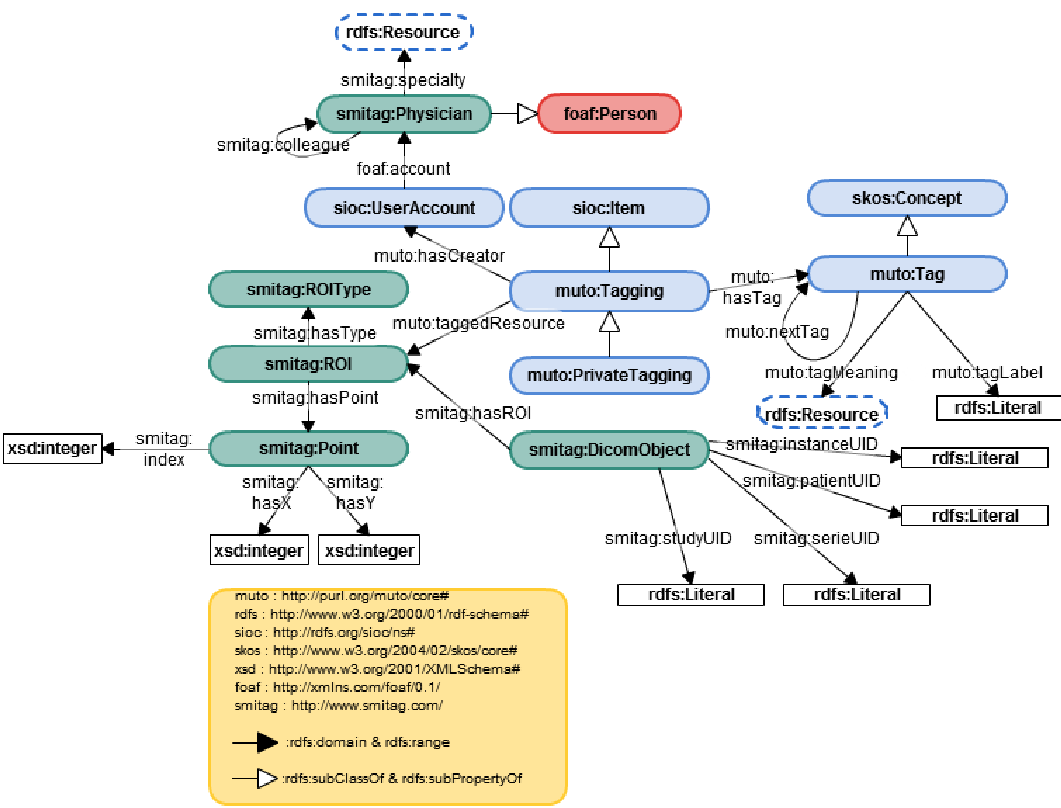 Figure 3: The extended MUTO ontology tailored for the medical domain.
Real-World Workflow: The "Aneurysm" Use Case
The paper illustrates the power of SMITag through a case study involving a radiologist (Salomé) and a neurologist (Cristian).
- Step 1: Salomé identifies an area suspicious of a saccular aneurysm.
- Step 2: She uses the ROI tool to draw a polygon around the midbrain region.
- Step 3: She tags the region using concepts from RadLex and ICD-10.
- Step 4: She shares the "Tagging Action" with Cristian.
- Result: Cristian receives the notification, views the exact ROI and the associated semantic meaning, and confirms the diagnosis.
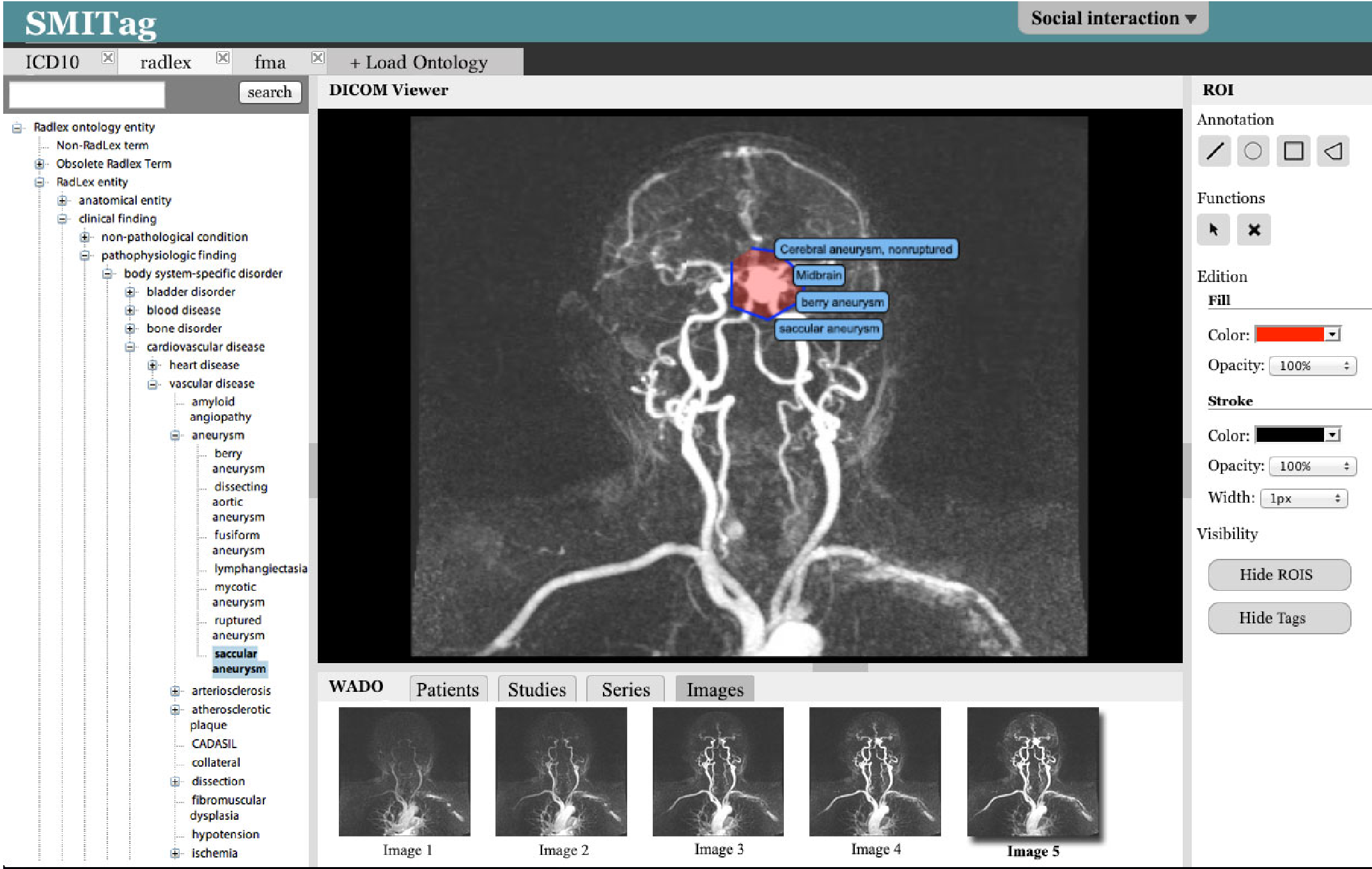 Figure 4: The SMITag interface showing the multi-panel approach: Ontology loading, ROI selection, and Social Interaction.
Critical Insight & Future Outlook
While SMITag's architecture is robust, its true value lies in the future potential of its dataset. By creating a repository of images that are linked to standardized ontologies (FMA, RadLex), SMITag essentially creates a "Gold Standard" training set for:
- Automatic Label Recommendation: Suggesting tags based on previous expert consensus.
- Deep Learning Training: Providing localized, semantically labeled regions for CAD (Computer-Aided Diagnosis) algorithms.
Limitations: The paper currently relies on manual manual tagging. The next logical step would be integrating LLMs or Vision-Language Models to pre-populate tags, which the experts would then simply verify.
Conclusion
SMITag represents a significant shift from "viewing images" to "generating structured knowledge." By treating medical experts as a social network, it ensures that the semantic enrichment of medical data is a collective, high-integrity process.