
Social Distance and the Digital Divide: How Guguletu Reimagines Geo-Tagging
Social distance, mobility and place: global and intimate genres in geo-tagged photographs of Guguletu, South Africa
This paper investigates locative photographic practices in Guguletu, South Africa, comparing the "tourist gaze" on Flickr with the intimate social exchanges on the mobile network "The Grid." Using multimodal analysis, it demonstrates how socio-economic status dictates mobile media usage, specifically how local residents prioritize interpersonal identity over geographical documentation.
TL;DR
Is a geo-tagged photo always about "place"? This study by Marion Walton reveals a fascinating divergence: while tourists use Flickr to document the "exotic" landscape of South African townships from a distance, local residents use the mobile platform The Grid to ignore the landscape entirely, focusing instead on intimate self-portraits (82% of their posts) to build social connections.
Problem & Motivation: The Myth of the Neutral Map
We often think of global image archives like Flickr as a digital map of the world. However, these archives are far from neutral. They are heavily skewed toward the "mobile elite"—travelers with high-end cameras and cheap bandwidth.
In areas like Guguletu, a suburb of Cape Town born from apartheid-era segregation, the digital footprint is split. On one side, there is the Tourist Gaze: outsiders visiting for "township tours." On the other, there is the Local Voice: residents using mobile phones as their primary gateway to the internet. The author asks: Does geo-tagging mean the same thing to both groups?
Methodology: Coding Social Distance
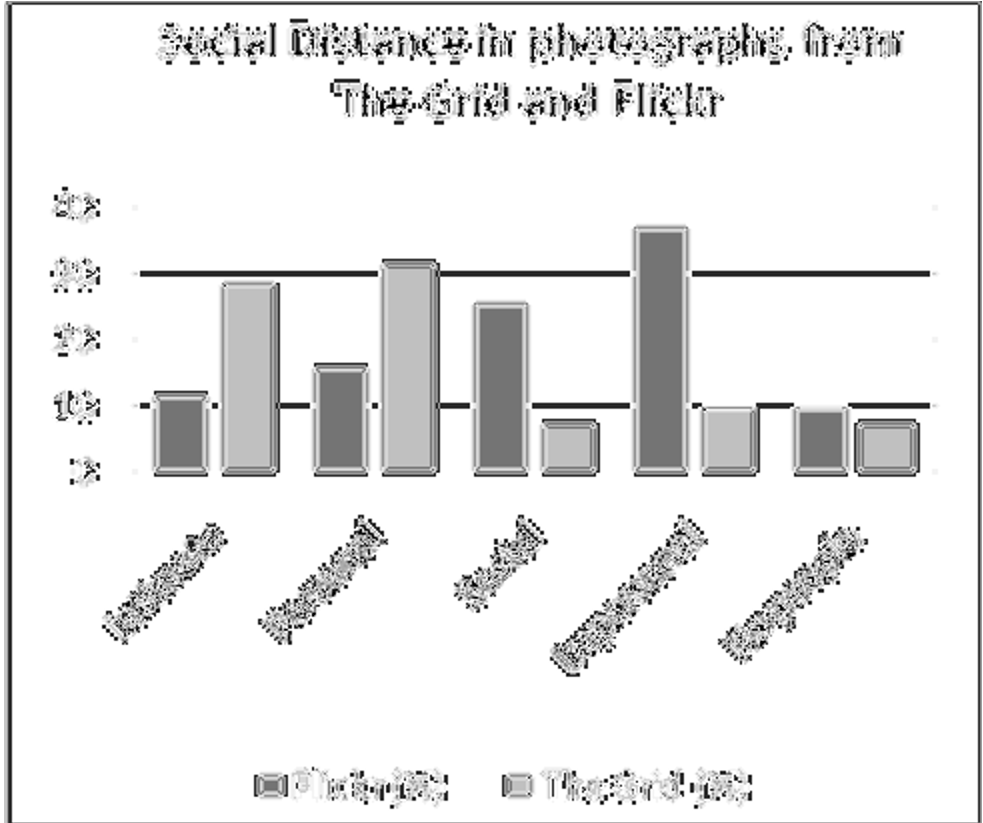
To answer this, Walton utilized a "Visual Grammar" approach. By analyzing the "shot scale" of photos, she could determine the intended Social Distance:
- Intimate/Personal: Close-ups of faces (head and shoulders).
- Social/Public: Whole figures or distant landscapes where the subject is impersonal.
The study compared images from Flickr (mostly used by international tourists) and The Grid (a South African mobile social network popular with local youth).
Methodology & Findings: Global vs. Intimate Genres
1. Flickr: The Tourist Snapshot
Flickr images from Guguletu are dominated by the "Family Mode" or "Documentary Genre." Tourists capture themselves at popular spots like Mzoli’s Place, using the township as a colorful backdrop for their own adventurous identities. The social distance is high; the locals in these photos are often treated as "others" or part of the scenery.
2. The Grid: The Self-Portrait Mode
Conversely, users on The Grid showed almost no interest in documenting their surroundings. Even though the app automatically geo-tags everything, 78% of the photos were taken indoors.
- The Goal: Not to show "where I am," but "who I am."
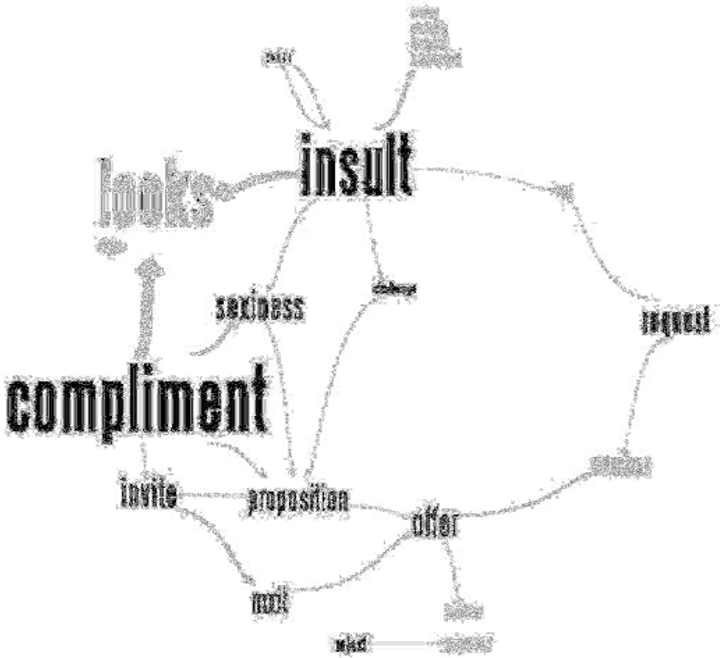
- The Interaction: The photos act as bait for "speech acts"—compliments, insults, or romantic advances. Geo-tagging here is almost accidental; the real action is in the chat.
Deep Insight: When Technology is "Out of Place"
The most profound takeaway is the mismatch between system design and user intent. The Grid was designed as a "locative" app—meaning its features emphasize where you are. Yet, for Guguletu’s youth, the app’s value lies in interpersonal play.
In fact, the automatic geo-tagging was often "out of place" for users who preferred a mix of intimacy and anonymity. They wanted to be seen by potential partners, but not necessarily tracked by a map.
Conclusion
This paper serves as a critical reminder that technology is not a "one-size-fits-all" experience. Mobility isn't just about physical travel; it's about social fluidity.
- For Tourists: Mobility is the freedom to view and leave.
- For Locals: Mobility is the digital capacity to transcend physical boundaries through intimate networking.
Future Work: As mobile interfaces evolve, we must ask if "automatic transparency" (like GPS tagging) serves the user or creates new risks for those in marginalized communities who use these platforms for vital social survival.