
Social Influence Analysis: Decoding the Power Dynamics of Big Data Networks
14275_Social Influence Analysis in Social Networking Big Data Opportunities and Challenges.
This paper provides a comprehensive investigation into Social Influence Analysis (SIA) within the context of social networking big data. It establishes a formal architecture for SIA, defines the core properties of social influence, and maps out the technical landscape involving influence maximization and influential user identification.
TL;DR
Social networks have evolved into massive, high-velocity data ecosystems. This paper provides a strategic roadmap for Social Influence Analysis (SIA), shifting from simple "follower counts" to complex models that account for dynamic evolution, network heterogeneity, and causal relationships. By leveraging big data infrastructure, the authors define how we can identify "who influences whom" in a world of billions of nodes.
Background: Beyond the Static Graph
In the early days of social network analysis, researchers worked with small, static datasets collected via interviews. Today, we face a "data deluge" from platforms like Facebook and Twitter. The challenge is no longer just finding data, but processing it to extract meaningful influence metrics amidst the noise of the 5Vs (Volume, Velocity, Variety, Value, and Veracity).
The Core Properties of Influence
To analyze influence effectively, we must first define what it is. The authors identify several intrinsic properties that make social influence a complex variable:
- Asymmetry: If Alice influences Bob, it doesn't mean Bob influences Alice.
- Decay and Sensitivity: Influence takes time to build but can be destroyed by a single high-impact event.
- Propagation: Influence is "composable," forming chains that allow "word-of-mouth" effects to reach non-adjacent nodes.
Methodology: The SIA Architecture
The paper outlines a robust pipeline for modern SIA, moving from raw data collection to actionable insights.
1. The Relationship: Big Data & SIA
Social networking big data acts as both the fuel and the catalyst for SIA. Big data technologies (Machine Learning, Cloud Computing, Parallel Processing) provide the tools needed to handle the sheer scale of the task.
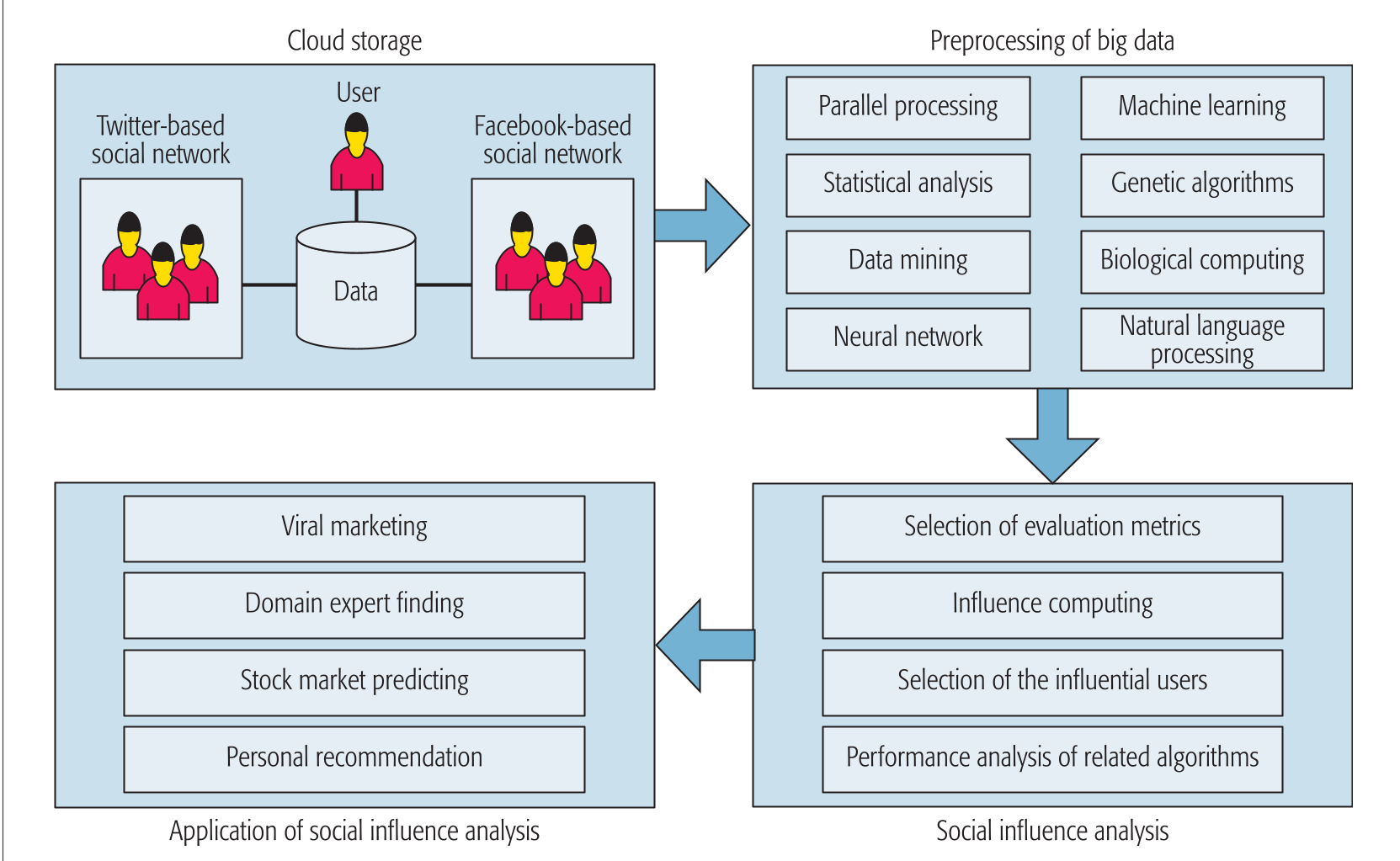 Figure 1: The symbiotic relationship between Big Data technologies and Social Influence Analysis.
2. The Step-by-Step Workflow
- Data Preprocessing: Removing noise and protecting privacy.
- Evaluation Metrics: Selecting indicators like centrality, interaction frequency, and reputation.
- Modeling and Computing: Integrating equations into real-world data to quantify node value.
- Influence Maximization: Using algorithms (often improved greedy approaches) to find the "Top-K" influential nodes.
Critical Challenges: The Scalability-Efficiency Dilemma
One of the most striking insights in the paper is the Scalability-Efficiency Dilemma.
- The Micro Level: Evaluating influence for every individual node is computationally expensive.
- The Macro Level: Finding the optimal "seed nodes" for maximum influence is an NP-hard problem.
While the classic Kempe greedy algorithm offers a performance guarantee, its runtime is prohibitive for modern social graphs. The authors suggest that the future lies in Parallel Processing (MapReduce) and Heterogeneous Network Modeling, where different types of entities (users, products, hashtags) are treated as distinct yet interconnected layers.
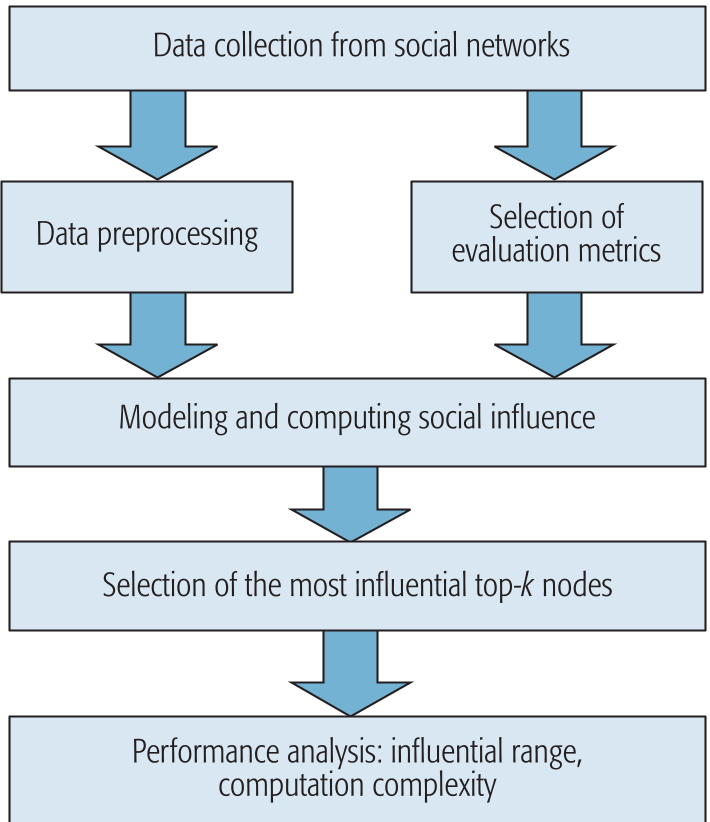 Figure 2: Summary of research challenges including scalability, dynamic evolution, and network heterogeneity.
Future Outlook and Takeaways
The paper concludes that we have reached a "golden opportunity" for Sia. Key future directions include:
- Distinguishing Influence Types: Moving beyond "positive" influence to understand "negative" (distrust) and "controversy" (balanced/debated) influence.
- Causal Analysis: Using tools like Transfer Entropy to answer why a user forwarded a post, rather than just that they forwarded it.
- Dynamic Evolving Models: Moving away from static "snapshots" to models that adapt as network topologies shift in real-time.
Conclusion: Social Influence Analysis is no longer just a sociological curiosity—it is a data-intensive engineering challenge with profound implications for marketing, public opinion guidance, and information security.