
Social Manufacturing: Redefining the Apparel Value Chain Through Co-Creation
The impact of social manufacturing on the value chain model in the apparel industry
This paper explores the paradigm shift toward "Social Manufacturing" in the apparel industry, a model where 3D printing and social networks empower customers to become active co-creators. By relocating the consumer from the end of the supply chain to its center, the study proposes a redefined value chain that achieves unprecedented levels of mass customization and operational agility.
TL;DR
The apparel industry is undergoing a "Third Industrial Revolution." This paper analyzes the transition from traditional, rigid manufacturing to Social Manufacturing. By leveraging 3D printing and social crowdsourcing, the role of the consumer is transformed from a passive receiver into a primary driver of the value chain. This shift promises a future of hyper-personalized fashion, reduced inventory waste, and decentralized production.
The Demise of the "One-Size-Fits-All" Paradigm
For decades, the apparel industry has been a prisoner of the Economy of Scale. Value was traditionally created by producing thousands of identical units to lower costs, pushing them through a fragmented chain of fibers, yarns, fabrics, and retailers.
The authors argue that this model is broken. Modern consumers no longer want to be at the "receiving end" of a product delivery. They demand personalization—the Long Tail Effect. However, traditional supply chains are too slow and rigid to respond to these individual needs, leading to the "Design-Marketing Gap" where what is produced often fails to match what is desired.
Social Manufacturing: The Customer is the Factory
The core insight of the paper is the shift toward Social Manufacturing (SoMa). In this ecosystem, manufacturing capacity is distributed throughout society rather than centralized in massive factories.
The Enabling Technologies
- 3D Printing (Additive Manufacturing): Moving beyond "rapid prototyping" to "end-product manufacturing," allowing for complex, customized garments without the need for traditional tooling.
- 3D Body Scanning: Creating "Virtual Fitting Rooms" that bridge the gap between digital design and physical fit.
- Social Networks: Acting as the coordination layer for crowdsourcing designs and analyzing real-time market trends.
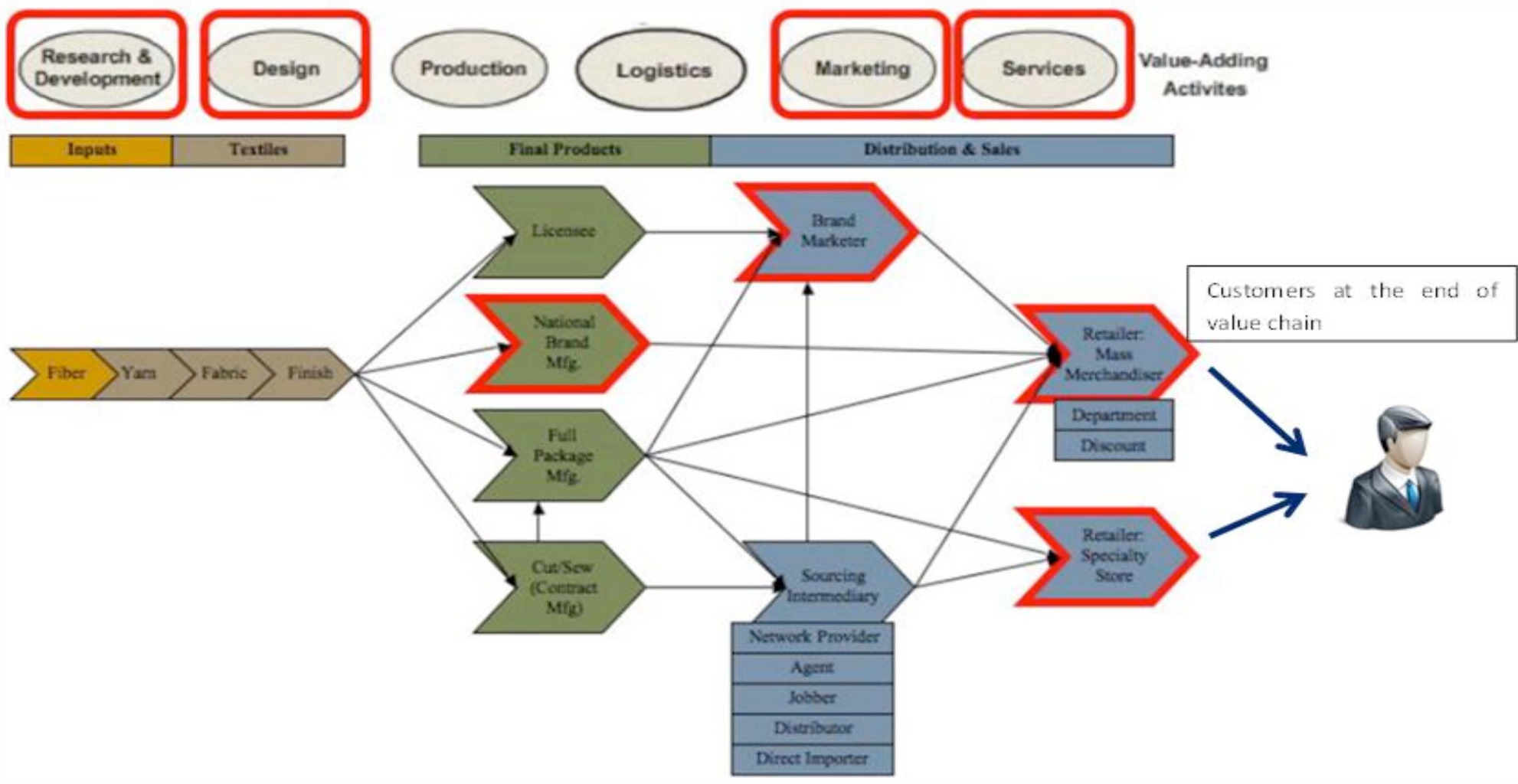 Figure 1: The traditional, fragmented value chain where the customer is isolated at the end (Source: Gereffi & Frederick).
Methodology: Flipping Porter’s Value Chain
The authors apply Michael Porter’s Value Chain analysis to demonstrate the impact of this shift. In the traditional model (above), primary activities like Inbound Logistics and Operations are decoupled from the end-user.
In the New Value Chain, the model becomes circular and customer-centric:
- R&D and Design: Instead of internal teams guessing trends, customers upload designs or customize existing templates via online platforms.
- Operations: Production is localized via 3D printing. A retailer can replace massive warehouses with small, flexible "hubs" located near customer neighborhoods.
- Logistics: The "Last Mile" is shortened, and inventory is virtually eliminated because products are only "printed" upon demand.
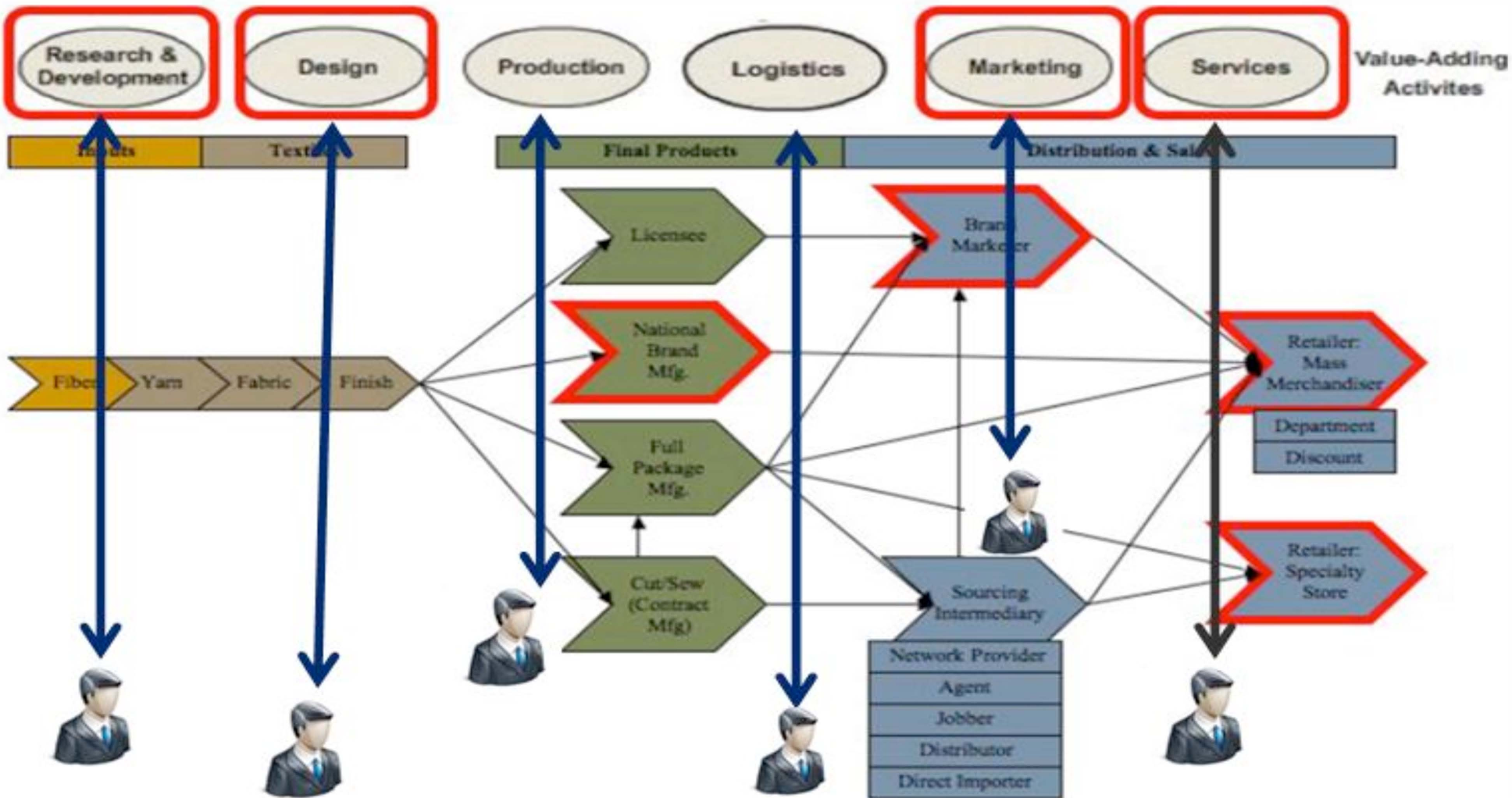 Figure 2: The Social Manufacturing model places the customer at the heart of every strategic activity.
Critical Insights & Future Outlook
The paper effectively highlights that Social Manufacturing isn't just a technological upgrade—it's an Institutional Change.
Key Takeaways:
- From Push to Pull: The industry moves from "make-to-stock" to "design-to-order."
- Sustainability: By localized 3D printing, the carbon footprint of global shipping is drastically reduced.
- Service as Value: Competition shifts from who can make it cheapest to who can provide the best co-creation experience.
Limitations & Challenges
While the vision is compelling, the authors acknowledge a gap in academic research regarding the scalability of 3D printing for textile-like materials. Current 3D printing in apparel is often limited to rigid components or high-end niche products. The transition to mass-market "Socially Manufactured" soft textiles remains the final frontier for this technology.
Conclusion
Social Manufacturing represents a sublime model of "from idea to product." By dismantling the barriers between the designer, the maker, and the wearer, the apparel industry can finally move past the inefficiencies of the 20th century into a personalized, sustainable future.