
Beyond Western Interfaces: How Adults with Autism Navigate Social Media in Saudi Arabia
Investigating the Use of Social Media Technologies by Adults with Autism Spectrum Disorder in Saudi Arabia
This study investigates the usage of social media technologies by adults with Autism Spectrum Disorder (ASD) in Saudi Arabia. Using semi-structured interviews and observations, the research identifies unique cultural and technical factors—such as language barriers and family-driven conservatism—that shape how the "FAASCIT" framework applies to Arab individuals with high-functioning autism.
TL;DR
While social media is often touted as a "safe harbor" for individuals with Autism Spectrum Disorder (ASD) due to its asynchronous nature, most research ignores the cultural lens. This study explores how adults with ASD in Saudi Arabia use technology, revealing that cultural "gatekeeping," language barriers (the "Hotmail" problem), and family-centric values fundamentally change the digital experience compared to Western counterparts.
The "Invisible" Adult in a Western Tech World
Most autism interventions focus on children in North America or Europe. For an adult with high-functioning autism in Saudi Arabia, the challenge is twofold: they must navigate the inherent social difficulties of ASD while adhering to strict cultural rules regarding gender, privacy, and family reputation. Existing platforms like Facebook and Twitter are designed with Western assumptions of individual autonomy, which often clash with the collective family structures of the Arab world.
Methodology: The FAASCIT Framework
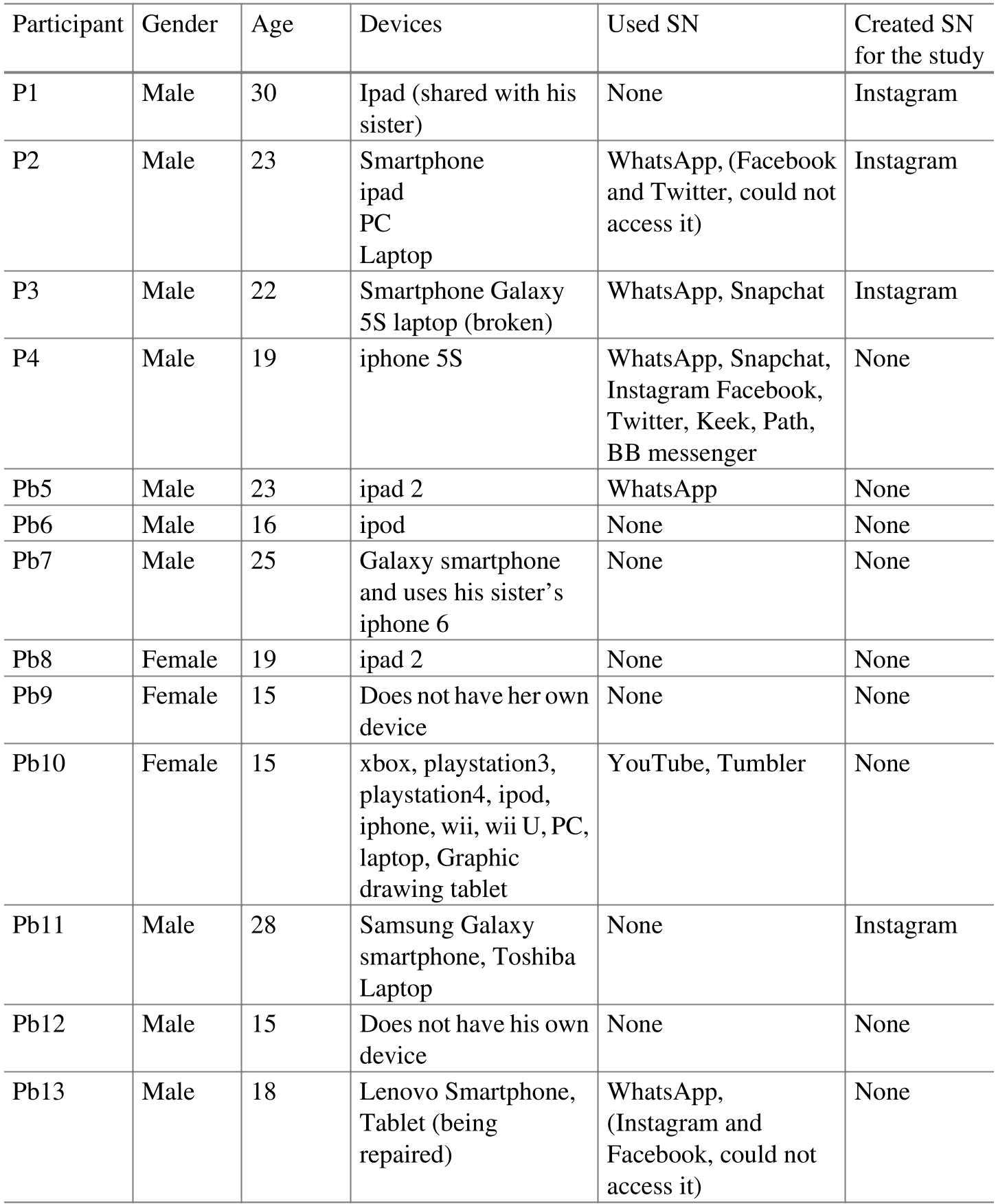
The researchers utilized the FAASCIT (Framework for Autistic Arab’s Social Communication and Interaction Technology) to move beyond mere usability. They interviewed 13 participants and observed their real-time interactions with devices.
| Participant Key Data | Gender | Age | Devices Owned | Primary Social Media Used |
|---|---|---|---|---|
| P2 | Male | 23 | Smartphone/PC | WhatsApp, Twitter |
| P4 | Male | 19 | iPhone 5S | Instagram, Snapchat, Path |
| Pb10 | Female | 15 | Multi-platform | YouTube, Tumblr |
Key Insights: Why "Standard" UX Fails
1. The Language and Literacy Barrier
Many participants struggled with the English-centric nature of account management. One participant failed to log in because he typed "hotmel" instead of "hotmail." While they could use "Arabizi" (Arabic written with Latin letters), the technical infrastructure of password recovery and security settings remains a high-friction zone for those with dyslexia or limited English.
2. Guarded Autonomy
In Western contexts, the goal is often "independence." In Saudi Arabia, the study found a state of interdependency. Mothers and siblings often manage accounts, filter "teasing" comments, and decide who the individual can chat with on WhatsApp. This isn't just "control"—it's a cultural mechanism to protect the individual and the family name from social stigma.
3. The Power of Visual Platforms
Participants like Pb10 (who created YouTube videos about her "awkward life") and P4 (who posted comedy snaps) found success in visual-first platforms like Snapchat and Instagram. These allowed for self-expression without the high linguistic pressure of text-heavy platforms like Facebook.
Experimental Observations
The research noted that participants who attended mainstream schools (P4, Pb10, Pb13) generally exhibited higher digital literacy and social media engagement than those in isolated autism centers. However, even within mainstream settings, "isolation within the classroom" remains a risk that hampers the development of the very social skills social media is meant to augment.
Critical Analysis & Conclusion
Takeaway
Social media provides a vital bridge for Arab adults with ASD to form friendships and reduce loneliness. However, the "one-size-fits-all" approach of global tech platforms ignores the specific cultural nuances of the Middle East.
Limitations
The study’s sample size (13) is small, and "snowball sampling" may have biased the group toward families already open to research. The voices of those in more traditional or rural areas remain unheard.
Future Outlook
The next generation of assistive tech for the Arab world must prioritize:
- Native Arabic Support: Not just translation, but cultural adaptation of social rules.
- Shared Management Features: Tools that allow for safe, collaborative account management between the user and their caregivers.
- Visual-First Communication: Reducing the "spelling anxiety" identified by several participants.