
Bridging the Rural Health Gap: A Social-Semantic Model for Pediatric Prediction
Application of social media in e-health
The paper proposes a predictive e-Health model integrated within a specialized social network for young mothers. It leverages an ontology-based engine combined with social and demographic data to provide early-stage "predictive health" assessments for general childhood diseases.
TL;DR
This research introduces a "Predictive Health" framework integrated into a social network for mothers. By combining social interaction data with a formal medical ontology (knowledge base), the system can offer preliminary childhood disease predictions as a percentage likelihood, specifically targeting parents in rural areas with limited access to specialists.
Background & Motivation
The paradigm of healthcare is shifting from reactive treatment to predictive health. However, rural communities often lack the infrastructure for this transition. While social media (Facebook, Twitter) provides a wealth of data, it lacks the structured medical rigor needed for diagnosis. Conversely, medical databases are often too private or siloed to be useful for public health alerts.
The authors identify a specific gap: Mothers in rural Macedonia require instant, peer-supported, and scientifically-grounded advice. The goal is to create a digital "bridge" that uses the social dynamics of parenting to feed a semantic engine capable of predicting common ailments like the flu or throat infections before they escalate.
Methodology: The Core Engine
The innovation lies in the Multi-parameter Convergence. Unlike prior models that look strictly at location or a single clinical variable, this model uses a three-pillar approach:
- Social Layer: A dedicated social network where mothers exchange experiences, creating a "sensor network" of community health.
- Mapping Layer (D2RQ): Since most social data lives in Relational Databases (SQL) and medical knowledge lives in Ontologies (OWL), the authors use a D2RQ Server to map database records into semantic instances.
- Semantic Reasoner: Using SWRL (Semantic Web Rule Language), the system applies logical rules (e.g., If symptom=unwanted_swelling AND season=spring THEN probability_Flu=X%) to generate results.
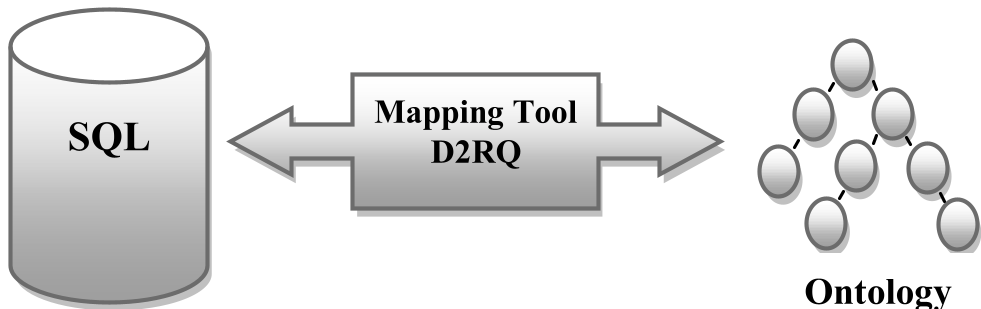 Figure 1: The Proposed Three-Phase Model showing the transition from social surveys to semantic output.
The Ontology Structure
The researchers used Protégé to construct a specialized ontology for childhood diseases. This allows the system to understand relationships between symptoms and diseases that a standard search engine would miss.
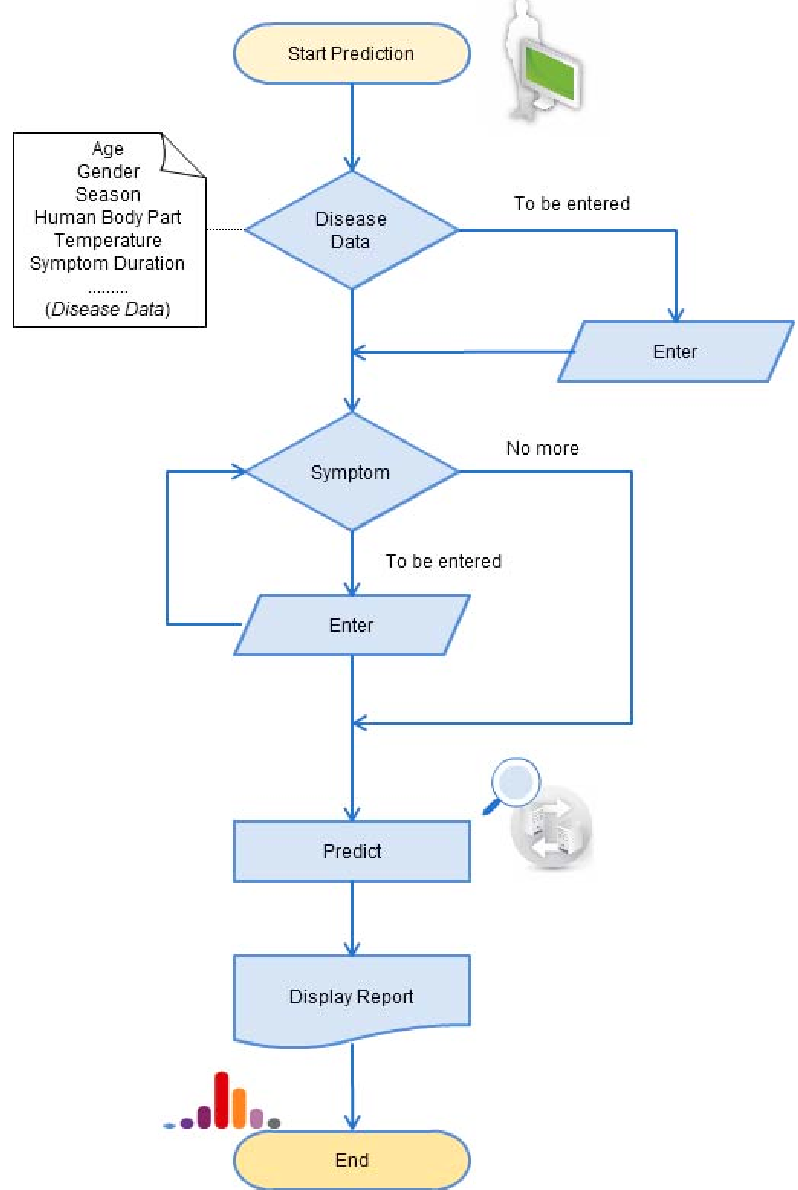 Figure 2: Simplified Ontology class construction in Protégé.
Experiments & Preliminary Insights
The workflow is designed for ease of use. A user completes a 10-question survey regarding their child's symptoms. This triggers the Query Processor, which checks the entered data against the SWRL rules.
- Privacy First: Crucially, the model does not require the child's formal medical history, circumventing the massive privacy hurdles that usually stall e-Health projects.
- Targeting Rural Areas: The social features (vaccination calendars, product reviews) incentivize engagement, ensuring the data remains fresh and local.
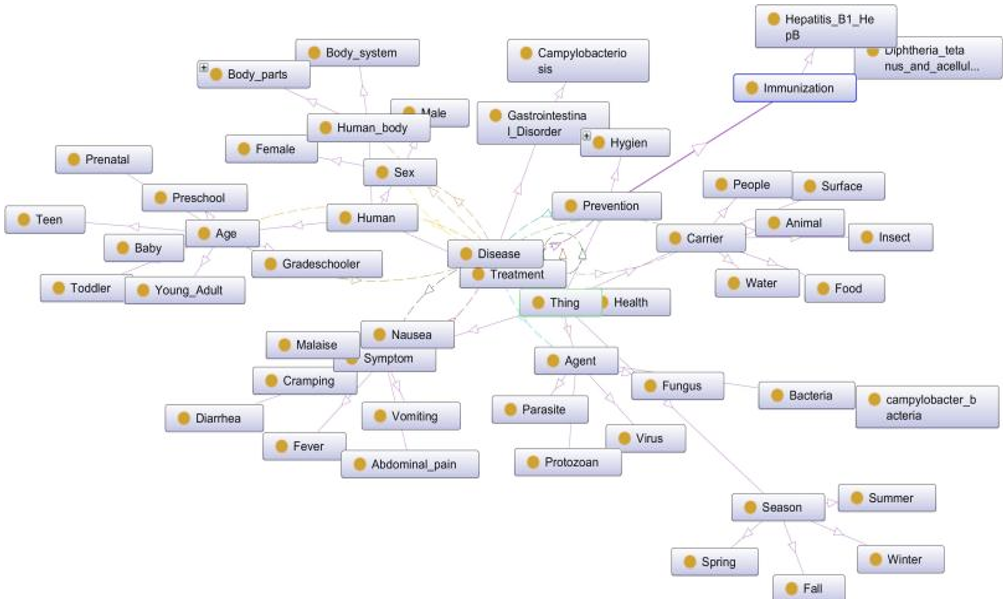 Figure 3: User interaction flow—from symptom entry to prediction visualization.
Critical Analysis & Conclusion
Takeaway
The paper successfully demonstrates that Ontology-Database conversion is a viable path for building intelligent health tools that feel like social apps. It emphasizes that a "Healthy child means a healthy adult," positioning early prediction as a long-term societal investment.
Limitations
- Validation: The paper focuses on the architecture; extensive clinical validation with a large user base is required to confirm the accuracy of the "percentage likelihood" predictions.
- Language Barrier: While the paper mentions "mother tongue" support, the semantic reasoning for different linguistic nuances in symptoms remains a complex challenge.
Future Outlook
As AI and Large Language Models (LLMs) evolve, the integration of Semantic Ontologies (like the one proposed here) with Generative AI could make these social networks even more conversational and accurate, transforming how rural populations interact with the medical world.