
Digital Diplomacy: How Social Media Reshapes the Canvas of National Image
The Influence of Social Media on the Design of the National Image in the Globalization Context
This paper explores the construction of American national image on China's Sina Weibo within the context of globalization. Utilizing statistical and text analysis, it examines how government bodies, NGOs, and prominent individuals leverage social media to project soft power and influence international public opinion.
TL;DR
In a globalized world, a nation's "soft power" is no longer just about high-level summits; it is fought in the comment sections of social media. This paper analyzes how the United States utilizes China's Sina Weibo to craft a multifaceted national image—spanning politics, social welfare, and culture—by engaging directly with netizens through official and private channels.
Background: From Monologue to Dialogue
The traditional model of national image design was a one-way street: governments issued statements, and the world watched. However, the rise of social media has triggered a paradigm shift toward diversification and interactivity. This work positions itself as a critical analysis of "Public Diplomacy 2.0," where the speed of information ("One to N to N") accelerates the globalization process, making a nation's reputation a vital asset for international competitiveness.
The "Stereo" Strategy: How the US Projects Image on Weibo
The authors argue that a successful national image is not a single portrait but a "stereo" projection involving different behavioral agents.
1. Political Image: Transparency and Participation
Using the US Embassy in China as a case study, the paper highlights how political "hard topics" like elections are transformed into educational opportunities. By creating hashtags like #ThePrimaryElectionInUS#, which garnered over 8 million reads, the government projects an image of a "democracy system" and "public supervision."
2. Social & Environmental Image: The Role of NGOs
The study points to The Nature Conservancy (TNC) as a key player. Unlike government accounts, NGOs can communicate values (like wildlife protection) that build emotional resonance without the friction of "hard" politics.
 Fig 1: Analysis of social image rendering through welfare and life topics.
3. Cultural Image: Humanizing the Nation
Perhaps the most intriguing finding is the role of Opinion Leaders. When a figure like Rupert Murdoch asks for recommendations for "real Chinese food in NYC," it humanizes the national identity. This "people-oriented" approach bridges the psychological distance between nations.
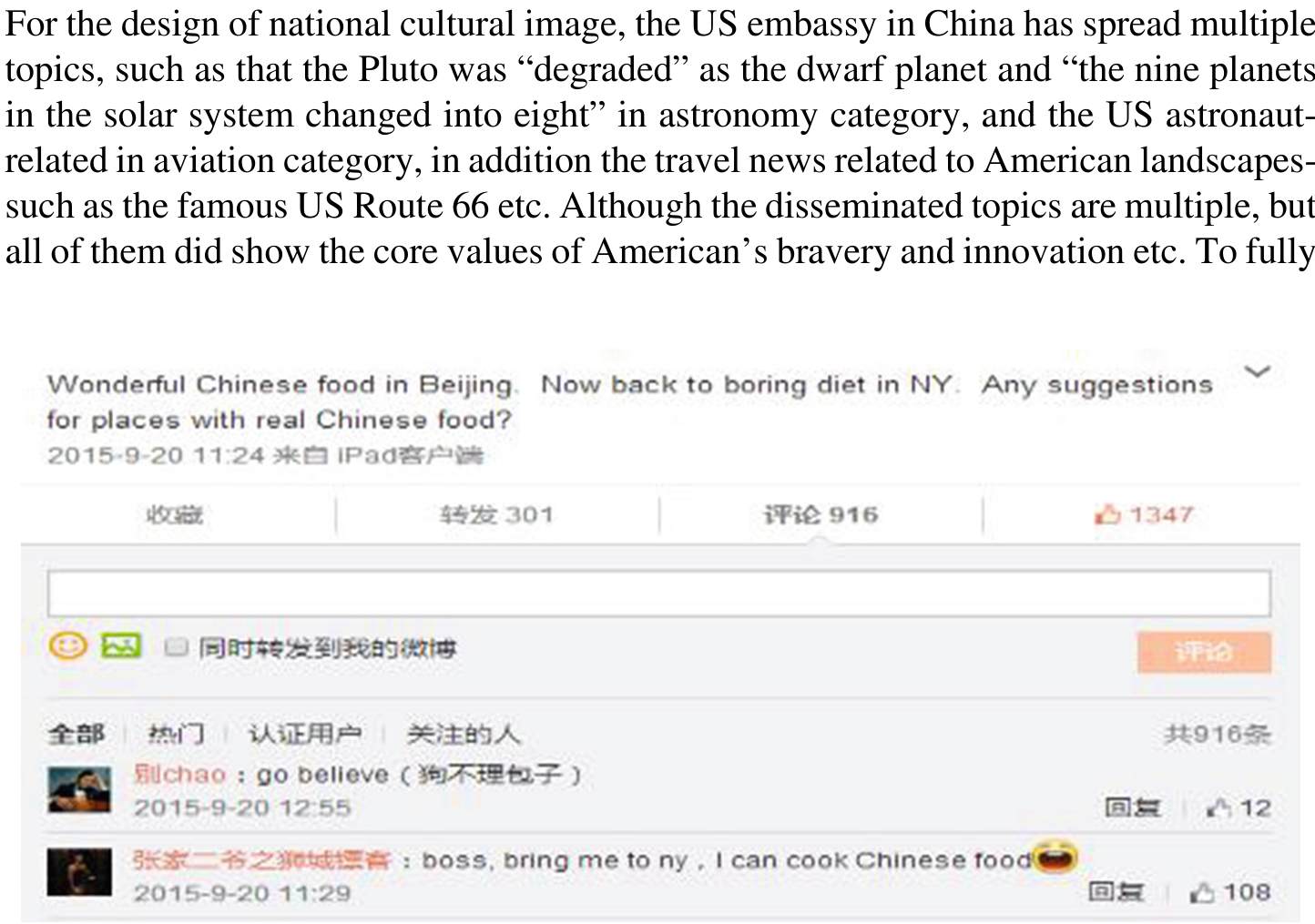 Fig 2: The communication effect of individual opinion leaders on broader national perception.
Methodology: The Core Mechanics of Digital Influence
The paper identifies four pillars of modern digital diplomacy:
- Opinion Leader Propagation: Utilizing high-credibility individuals to influence layers of network users.
- Agenda-Setting: Guiding public opinion by prioritizing specific hot topics (e.g., climate change or elections).
- Real-Time Interaction: Moving past static press releases to active, built-in conversations.
- Online/Offline Integration: Linking Weibo discussions with actual events, such as diplomatic visits or giveaway programs.
Strategic Insights: The "Localized" Advantage
The authors conclude with a crucial recommendation: Localized Operation. To resonate with a foreign audience, social media managers should ideally be locals who understand the cultural nuances and psychological demands of the followers.
Critical Perspective & Future Outlook
While the paper focuses on the US as a "leading position" actor in social media diplomacy, it serves as a blueprint (and a warning) for other nations. The primary takeaway is that in the era of the "Global Village," silence is a loss of sovereignty. If a country does not actively design its image through diverse, interactive subjects, that image will be designed by others—often negatively.
Future Research Directions:
- How do algorithmic biases (like shadow-banning) affect a nation's ability to project its image?
- The impact of AI-generated content (bots) on the authenticity of "people-oriented" digital diplomacy.
In conclusion, the design of a national image on social media is less about control and more about conversation.