
SNUX Model: Converting Social Media Engagement into Purchase Intent for Gen X and Millennials
Social Network Behavior, from Information Search to Purchase: The Case of Generation X and Millennials
This study investigates the impact of social networking technological experience on the purchase intentions of Generation X and Millennials. Utilizing the "Experience Economy" theory and the Social Network User Experience (SNUX) model, it identifies that educational and entertainment content are the primary drivers for converting social media information searches into actual purchase intent.
TL;DR
Social media has shifted from a mere communication tool to a vital phase in the consumer journey: the information search. This study reveals that for the backbone of today's workforce—Generation X and Millennials—the "Experience Economy" is king. Specifically, if social media content isn't educational or entertaining, it fails to drive Purchase Intention, regardless of how visually pleasing it is.
The Generation Gap in the Digital Marketplace
Marketers face a unique challenge: balancing the needs of "Digital Immigrants" (Gen X) and "Digital Natives" (Millennials).
- Generation X seeks pragmatism and relies heavily on word-of-mouth and testimonials.
- Millennials seek mission-driven brands and a high degree of digital connectivity.
Despite these differences, both generations now utilize social networks as their primary research hubs before making a transaction. The core question addressed by Ramos and Rodrigues is: What specific flavor of digital experience actually pulls the trigger on a purchase?
Methodology: The SNUX Model
The researchers introduced the Social Networks User Experience (SNUX) model, rooted in the "Experience Economy" theory proposed by Pine and Gilmore. This theory suggests that value is created through memorable events categorized into four dimensions:
- Educational: Gaining knowledge about a product.
- Entertainment: Passive enjoyment of content.
- Aesthetics: The beauty and "vibe" of the interface.
- Evasion: The "escapism" or "dreaming" aspect of social media.
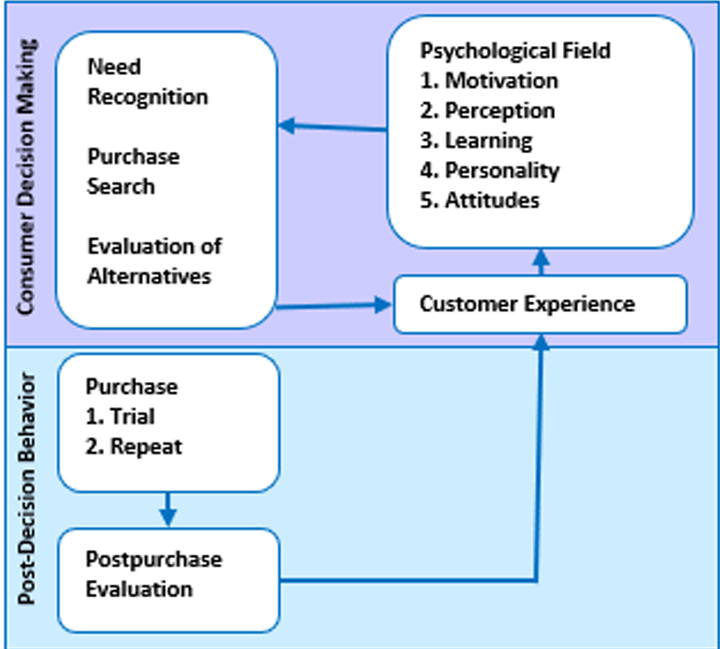
Using Structural Equation Modeling (SEM), the authors tested which of these four dimensions actually influences the Social Network Technological Experience (SNTE) and, ultimately, Consumer Purchase Intent (CPI).
Key Insights: What Drives the Buy?
The results provide a reality check for digital marketers who over-invest in "aesthetic" branding or "escapist" storytelling.
1. Education and Entertainment Lead the Way
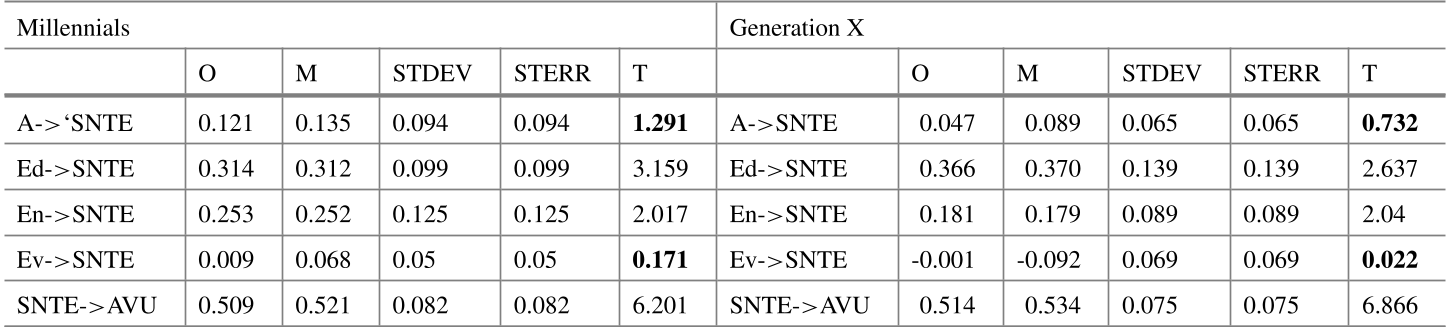
The study found empirical evidence that the Educational and Entertainment dimensions are the only significant drivers of purchase intention. Consumers use social media to learn how a product solves a problem (Education) or to be engaged in a rewarding way (Entertainment).
2. The Failure of Aesthetics and Evasion
Surprisingly, Aesthetics (how pretty the app / post is) and Evasion (getting lost in the content) showed no statistically significant relationship with the actual intention to buy. In the context of a commercial search, users are goal-oriented; "dreaming" does not equate to "buying."
3. Generational Nuances
While both generations value Education and Entertainment, their platform preferences vary. Millennials are significantly more active on Instagram and Snapchat, whereas Gen X maintains a stronghold on Facebook. However, the mechanism of influence remains constant: utility and engagement drive the sale.
Critical Analysis & Conclusion
The takeaway for modern brands is clear: Utility is the best marketing.
Limitations: The study relies on convenience sampling and self-reported data, which may not always capture impulsive buying behaviors perfectly. Furthermore, as the workforce shifts toward Generation Z (Centennials), the "Aesthetics" dimension may see a resurgence due to the high value that cohort places on visual identity (the "Instagrammable" factor).
Future Outlook: Brands should move toward "Infomercial" styles—content that is inherently enjoyable to watch but leaves the consumer more informed than they were before. The era of the "General Broadcast" is over; the era of the "Educational Experience" is here.
Main Takeaway: If you want to convert a visitor into a buyer on social media, don't just make it look good—make it worth learning from and fun to watch.