
The Anatomy of Disconnect: Decoding Social Network Fatigue
Characteristics of Social Network Fatigue
This paper conceptualizes "Social Network Fatigue" through a mixed-methods study of Facebook users, providing a formal working definition and taxonomy. By integrating clinical and occupational fatigue frameworks, it identifies the phenomenon as a multidimensional experience that leads to decreased interaction and potential platform abandonment.
TL;DR
Why do we suddenly stop caring about our social feeds? This study moves beyond the buzzword of "Social Network Fatigue" to provide a clinical-grade framework for user burnout. By analyzing Facebook activity logs and user psyche, the research identifies six core stressors—ranging from "social surveillance" to "platform annoyance"—that transform active users into "lurkers" or lead them to delete their accounts entirely.
Context & Motivation: Why "Fatigue" is More Than Boredom
In the early 2010s, social platforms were obsessed with "engagement." However, researchers noticed a paradox: high usage often led to a sudden "decline in activity." While practitioners called this "fatigue," the term was academically hollow.
The authors argue that to understand why users quit, we must look at clinical and occupational fatigue. Just as a factory worker suffers physical and mental exhaustion from repetition and high demands, a social network user faces "cognitive anxiety" and "emotional stress" from maintaining a digital persona. The study seeks to bridge the gap between clinical psychology and social computing.
Methodology: Fusing Data Traces with Human Experience
The researchers didn't just ask users how they felt; they mapped feelings against actual data.
- Activity Analysis: 100 days of Facebook logs were used to categorize users into High, Medium, and Low activity groups.
- In-depth Interviews: They probed the "Why" behind the data. For instance, if a log showed a sudden 5-day silence, was it a planned "rest-break" or a loss of interest?
The Core Findings: Six Pillars of Fatigue
The study identifies six distinct categories of experiences that drain a user's "social battery":
- Social Dynamics: Negative reactions to interactions, such as "social surveillance" (the feeling of being watched/judged) or misconstrued posts.
- Content Fatigue: The "Worthless Banter" effect. When the signal-to-noise ratio drops, users experience a transient form of fatigue relieved by "browsing away."
- Immersion Issues: The "Trapped" feeling. Users sensing an addictive loss of control often resort to "forced deactivation" as a self-regulatory defense mechanism.
- Platform Friction: Irritation with UI changes or lack of features (e.g., the missing "Dislike" button).
- External Demands: Life-stage changes (work, family) that physically limit the capacity for digital social labor.
- Community Life-Cycle: The "Magic Fading" effect where the initial novelty of connecting with old friends wears off once the network is "fully formed."
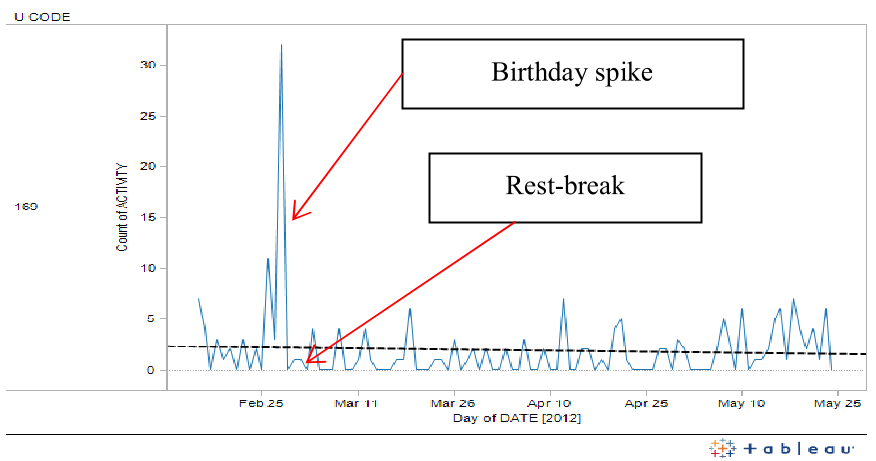 Figure 1: Quantitative evidence showing a "rest-break" immediately following a peak interaction period, illustrating the physiological need for recovery.
A Working Definition for the Industry
The paper culminates in a formal definition:
Social Network Fatigue is a subjective, multi-dimensional user experience (tiredness, annoyance, guardedness) resulting in an immediate decline or moderation of activity, which can be either transient (restorative) or permanent (burnout).
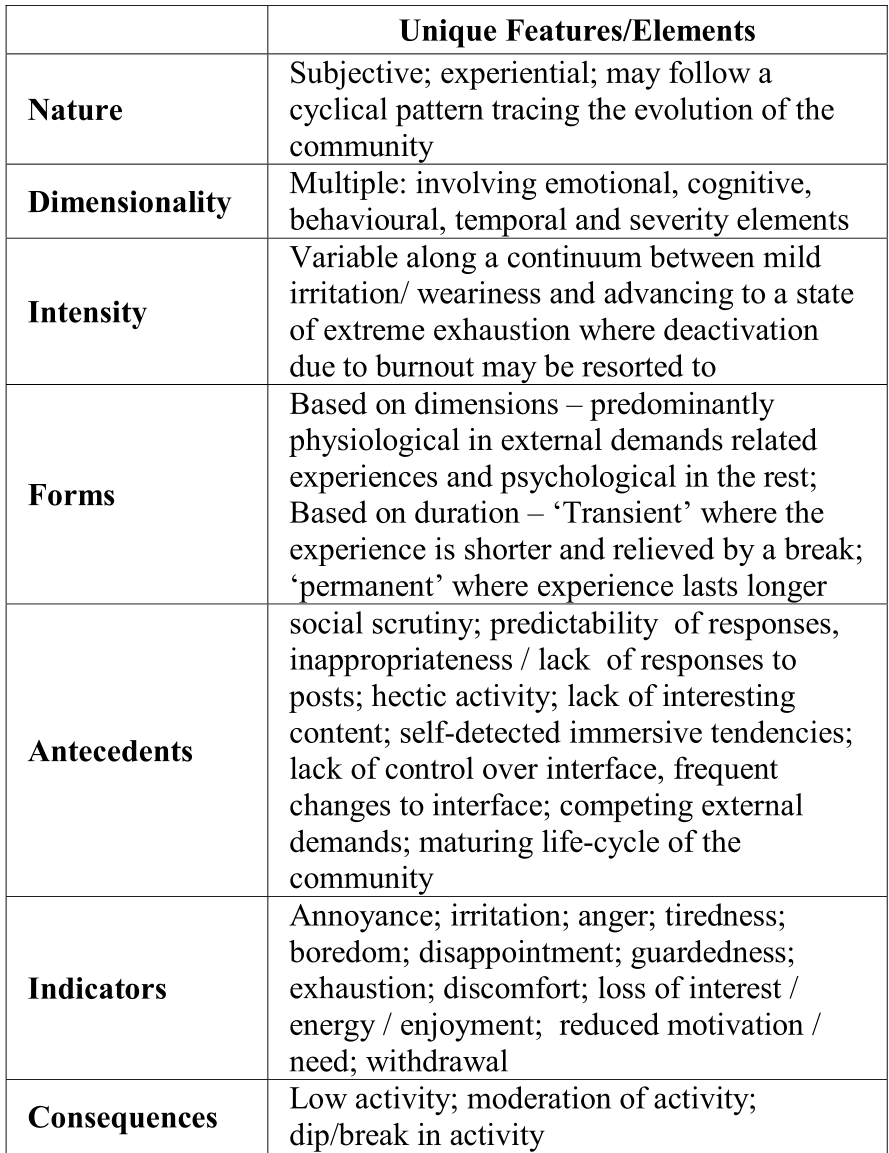 Figure 2: The research's taxonomy of fatigue, categorizing nature, dimensionality, and consequences.
Critical Insight: The Developer's Paradox
The most profound takeaway for modern Product Managers is the Immersion Paradox. Features designed to increase "Time Spent" (infinite scroll, notifications) are double-edged swords. While they drive short-term metrics, they accelerate the user's sense of "loss of control." Once a user feels "trapped in an unreal world," the probability of "Burnout" (permanent deactivation) skyrockets.
Conclusion & Future Outlook
This work serves as an early warning for the "Attention Economy." It suggests that user retention isn't just about adding features; it's about managing the user's "social energy."
Limitations: The study is limited to a Facebook alumnus group and "observable" actions (likes/comments), potentially missing the psychology of the "Lurker." However, its framework remains a vital touchstone for any researcher looking at why digital communities eventually "wither" despite having a perfect UI.