
SNAM: Leveraging Social Network Topology to Master Flexible Job Shop Scheduling
Investigation of reconfiguration effect on makespan with social network method for flexible job shop scheduling problem
This paper introduces a Social Network Analysis Method (SNAM) for addressing the Flexible Job Shop Scheduling Problem (FJSSP). It identifies "key machines" or hubs within a manufacturing system by mapping manufacturing data into a collaborative network and optimizes the makespan using a game theory-based hybrid DNA (HD-DNA) algorithm.
TL;DR
In the complex world of Flexible Job Shop Scheduling Problems (FJSSP), not all machines are created equal. This paper introduces the Social Network Analysis Method (SNAM) to treat a factory floor like a social network. By identifying "influencer" machines (Hubs) through centrality measures and using a specialized Hybrid DNA algorithm, the authors demonstrate how to predict and manage the impact of machine reconfiguration on overall makespan.
Background: The Complexity of Flexibility
The FJSSP is a notoriously NP-hard combinatorial optimization problem. Traditional approaches often suffer from a "disconnect" between process planning and actual scheduling. The core challenge isn't just finding a valid sequence; it's understanding the bottlenecks inherent in the system's structure. If a machine breaks down, how much will the production delay be? Until now, researchers often relied on computationally expensive simulations to answer this.
Motivation: Machines as Social Actors
The authors’ primary insight is that manufacturing execution data can be viewed as a collaborative network. In this graph:
- Nodes represent Jobs, Operations, and Machines.
- Ties (Edges) represent the flow of material and requirements.
- Centrality identifies the "Hubs"—the machines that the entire system leans on most heavily.
By using SNAM, shop floor managers can identify these critical assets without running exhaustive "what-if" simulations for every possible scenario.
Methodology: From Affiliation Matrices to DNA Algorithms
1. Network Modeling
The process begins by converting raw scheduling data into an Affiliation Matrix. If Machine A can perform Operation B for Job C, a relationship is mapped. This matrix is processed via specialized software (UCINET/NetDraw) to visualize the factory's "social" structure.
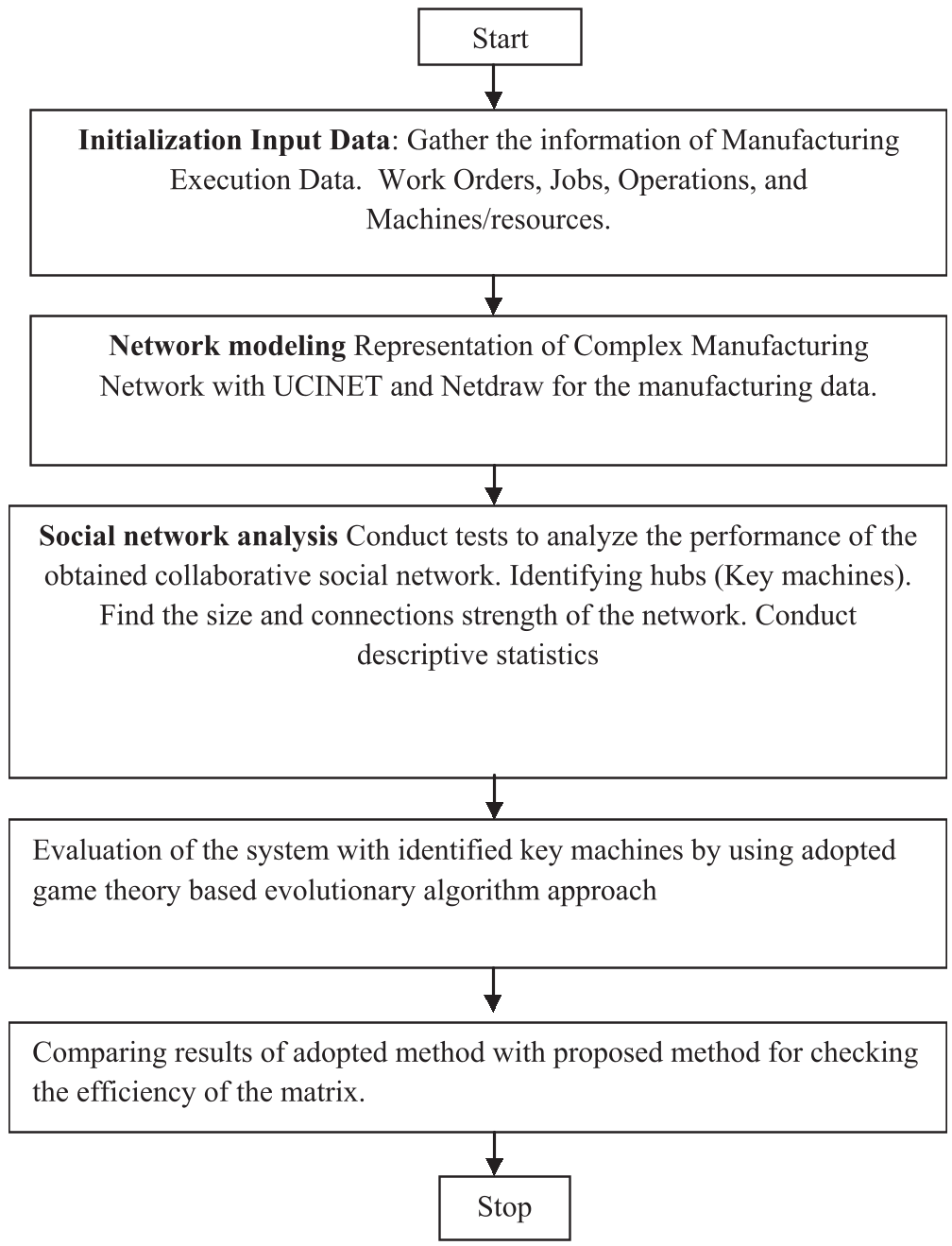 Figure 1: The three-stage framework: Network Modeling, SNA Analysis, and Evolutionary Evaluation.
2. Identifying Hubs via Centrality
Three key metrics are used to evaluate machine importance:
- Degree Centrality: How many operations is this machine connected to?
- Betweenness Centrality: How often does this machine sit on the shortest path between other nodes (controlling information/material flow)?
- Closeness Centrality: How "near" is this machine to all other nodes in the process?
3. Optimization via HD-DNA Algorithm
To calculate the actual makespan, the authors utilize a Hybrid Dynamic-DNA (HD-DNA) algorithm based on Game Theory. This mimics biological DNA sequences to represent scheduling solutions, using crossover and mutation operators to evolve towards the global optimum.
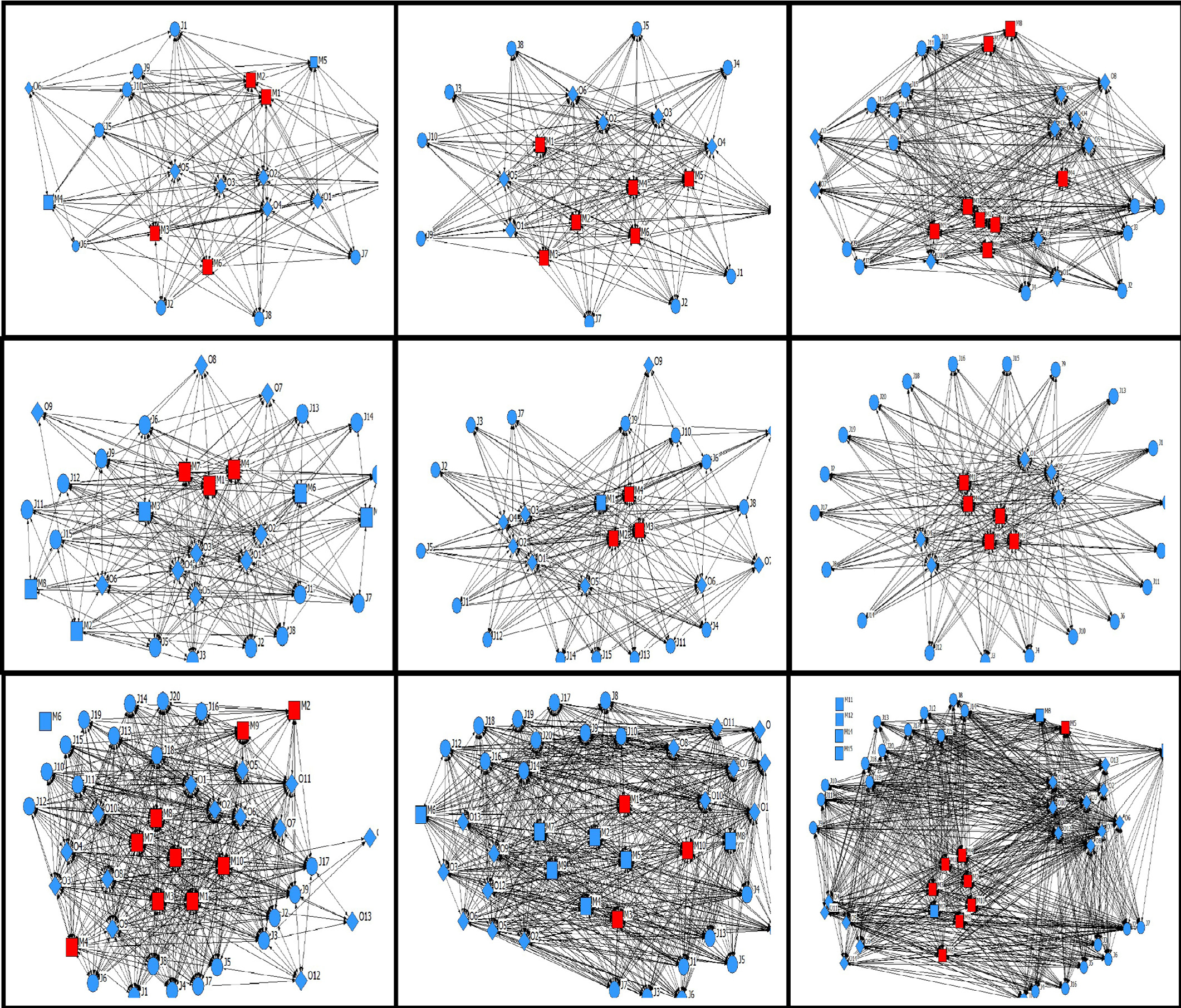 Figure 2: Collaborative networks across different benchmark instances. Squares indicate discovered "Key Machines" (Hubs).
Experimental Insights: The Cost of Losing a Hub
The authors validated their model by "removing" machines from the system to simulate reconfiguration or breakdown.
Key findings include:
- Sensitivity: Removing a "Hub" (identified by high centrality) led to a significant spike in makespan (e.g., 18% loss in the 20x10 instance).
- Consistency: Low-centrality machines had a negligible effect (often 0% loss), proving that SNAM accurately isolates the most critical system components.
- IPPS Integration: The Integrated Process Planning and Scheduling (IPPS) approach, powered by the DNA algorithm, successfully found new optimal paths even after system reconfiguration.
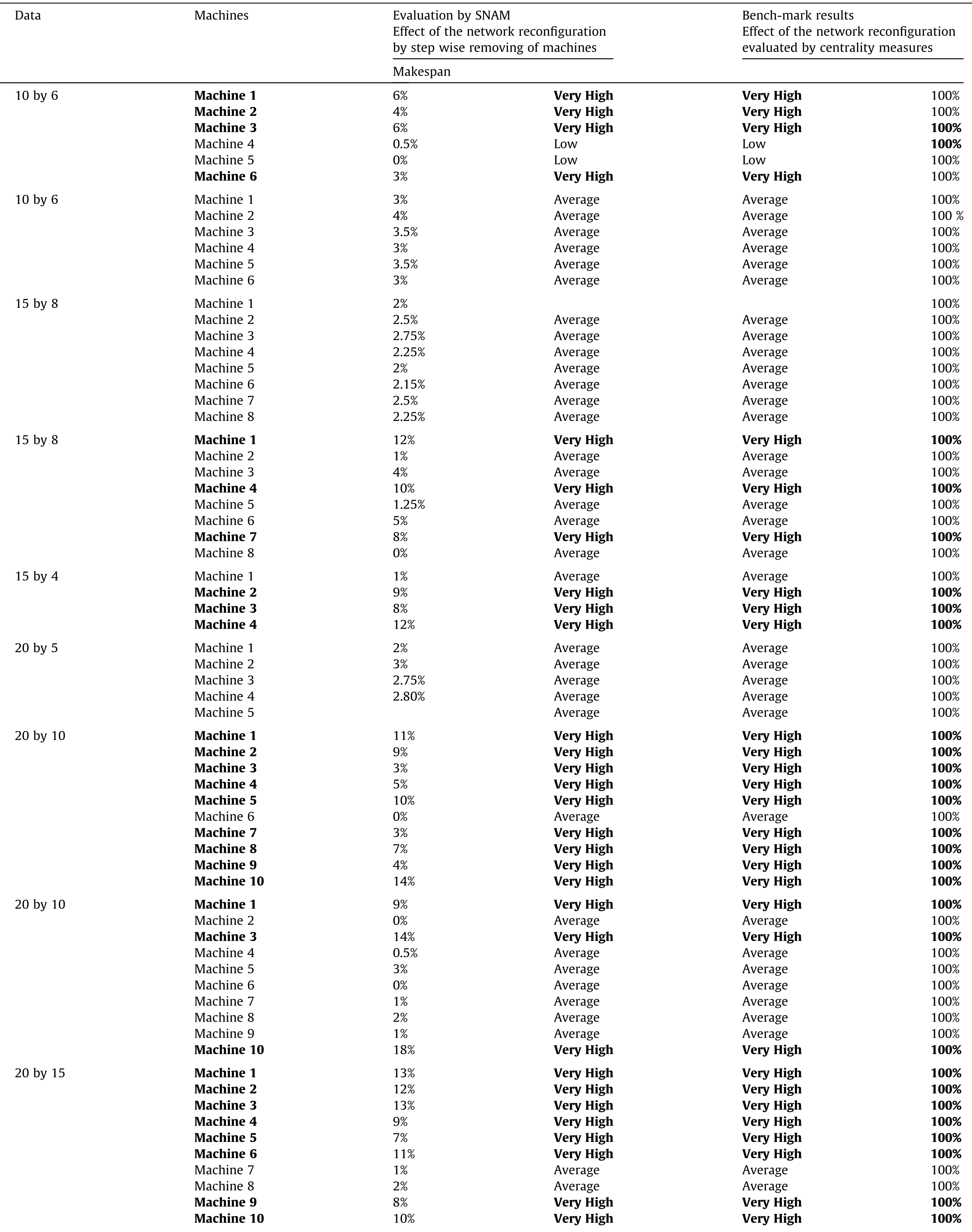 Figure 3: Impact of machine removal on Makespan. Higher percentages indicate a "Very High" influence on system performance.
Critical Analysis & Conclusion
The true value of this work lies in its predictive power. By using SNAM, manufacturing systems gain structural awareness.
Limitations
While powerful, the model assumes unlimited buffer sizes and does not account for job transportation time between machines. In a real-world high-speed facility, these factors could shift the "Hub" status of certain machines.
Future Perspectives
This research paves the way for self-organizing manufacturing systems. If a central "Hub" machine detects an impending failure, the SNAM framework could allow the system to automatically re-route tasks to secondary machines with the lowest overall impact on the global makespan. It moves us one step closer to truly "Cognitive Manufacturing."