
Beyond Utility: Why We Actually Use Social Networks — A Deep Dive into the TAM and Motivation Theory
Using Behavior of Social Network Sites Based on Acceptance Model
This study investigates the usage behavior of Social Network Sites (SNSs) by integrating the Technology Acceptance Model (TAM) with the Theory of Motivation and interpersonal factors like relationship development. Using a mixed-methods approach and Structural Equation Modeling (SEM) on Facebook users, it identifies that intrinsic motivation and social factors are more critical drivers of user attitude than traditional utility.
TL;DR
Why do billions of people spend hours on Facebook, Twitter, or Instagram? Traditional technology models suggest we use tools because they make us "productive." This paper proves otherwise. By extending the Technology Acceptance Model (TAM) with Intrinsic Motivation and Relationship Development, the authors reveal that Perceived Playfulness and Social Connection are the real engines behind SNS stickiness, while traditional "usefulness" takes a backseat.
The "Utility" Paradox in Social Media
For decades, the Tech Industry relied on Davis's TAM, which posits that Perceived Usefulness (PU) and Perceived Ease of Use (PEOU) are the dual pillars of adoption. If a tool helps you work faster, you use it.
However, SNSs present a paradox: users spend enormous amounts of time on them without an obvious "productivity" gain. The authors argue that prior research was too "organizational." To find the truth, they looked at the Theory of Motivation, distinguishing between extrinsic (rewards) and intrinsic (the joy of the activity itself) factors.
Methodology: Bridging the Gap
The researchers didn't just look at numbers. They started with a pretest among college students, identifying Facebook as the dominant platform due to its high interaction frequency. They then conducted in-depth interviews to extract latent factors like self-disclosure and convenience.
The Conceptual Framework
The paper proposes a complex web of interactions where:
- Self-disclosure leads to Relationship Development.
- Relationship Development and Perceived Convenience feed into Perceived Usefulness.
- Perceived Playfulness (the "fun" factor) directly drives Behavioral Intention.
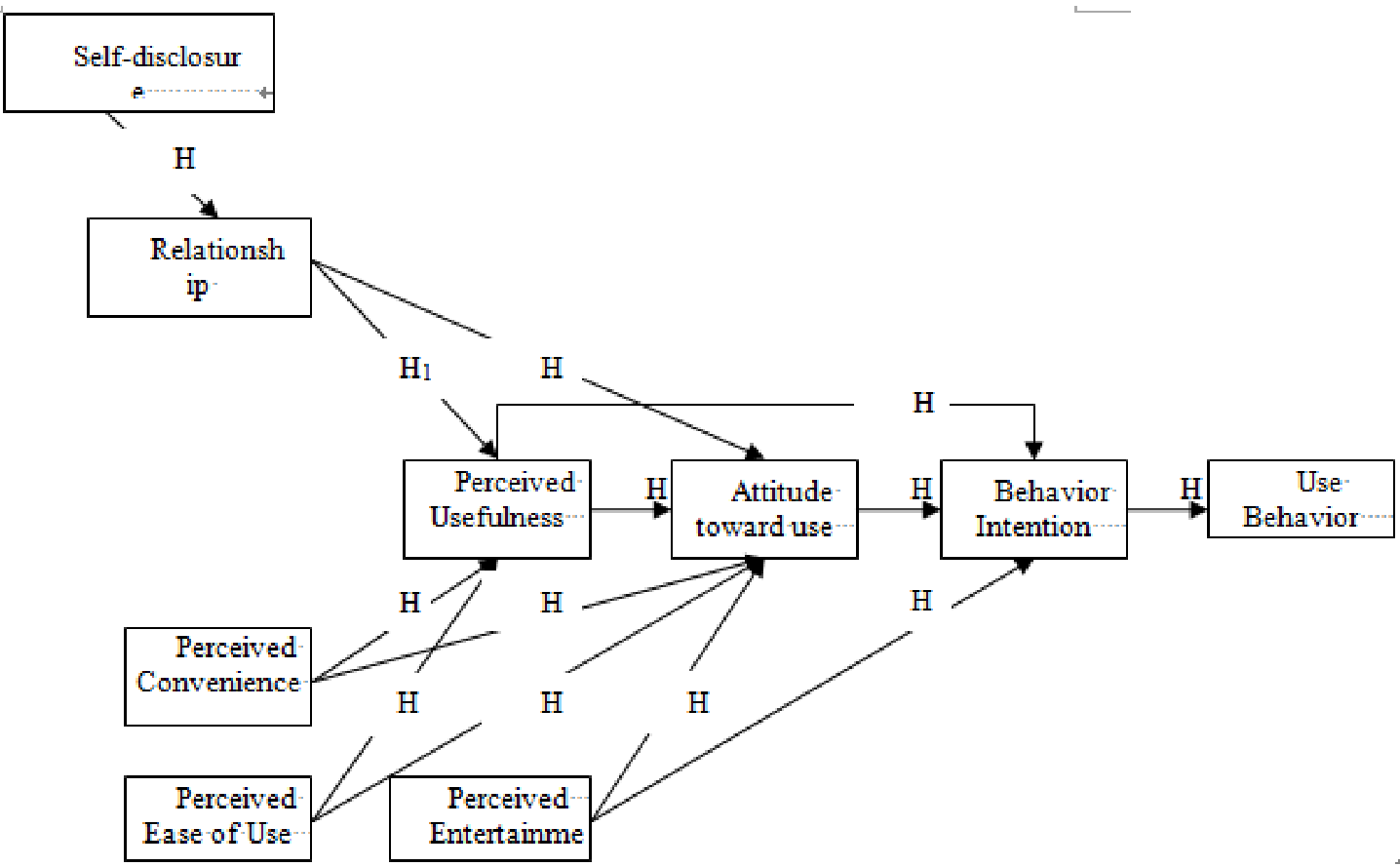 Figure 1: The expanded TAM framework incorporating playfulness and social factors.
Key Findings: Fun Wins Over Function
Using Structural Equation Modeling (SEM), the study analyzed 432 participants. The results were telling:
- Playfulness is Paramount: Intrinsic motivation (perceived playfulness) had a significant positive influence on behavior intention. Essentially, if it’s not fun, people don't stay.
- The Failure of Direct Utility: Interestingly, H6 (Perceived usefulness positively influencing behavioral intention) did not reach a significant level on its own. This suggests that "utility" in a social context is mediated through attitude and social bonds.
- The Power of Self-Disclosure: Sharing personal thoughts (self-disclosure) was the bedrock of relationship development, which in turn made the platform feel more "useful" and "positive" to the user.
Model Fit and Path Analysis
The researchers meticulously refined their model, achieving high indicators for statistical validity (CFI: 0.98, NFI: 0.97).
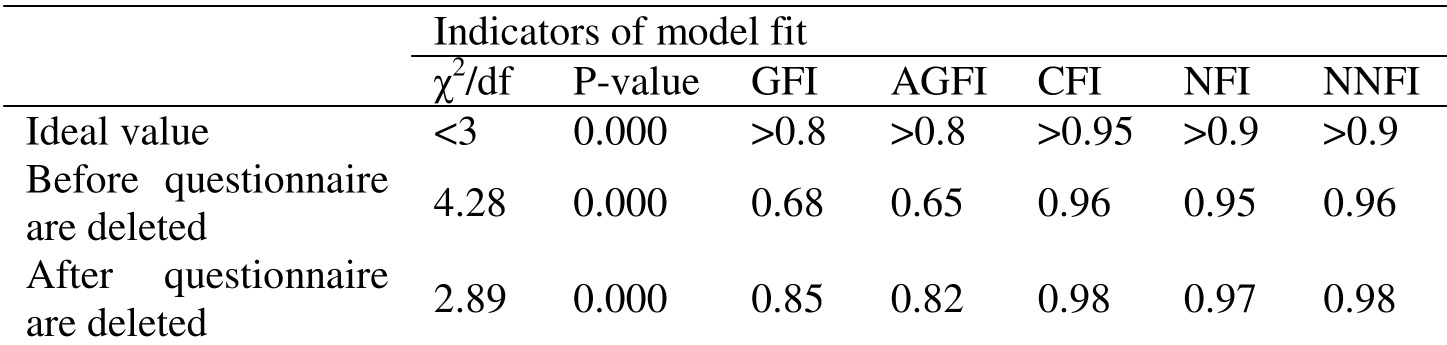 Table 1: Evolution of Model Fit Indicators before and after item refinement.
Critical Insight: The "Social" in Social Media
The genius of this paper lies in its validation of Relationship Development. It proves that an SNS is not just a software tool; it is a digital ecosystem for "Social Capital." The study found that:
- Convenience reduces the "energy cost" of socializing.
- Ease of Use lowers the barrier to entry, but Playfulness ensures retention.
Conclusion & Future Outlook
The study concludes that the architecture of TAM is highly applicable to SNSs, provided it is "humanized" with motivational theories.
Takeaways for Practitioners:
- Gamification is not an option; it's a requirement. Perceived playfulness is the primary driver of intent.
- Focus on the "Small Talk": Features that encourage self-disclosure (like Stories or status updates) are more critical than complex administrative features because they catalyze relationship development.
Limitations: The study was focused on college students and Facebook. In the current era of TikTok (short-form video) and decentralized networks, the "Playfulness" factor likely carries even more weight, while the definition of "Relationship Development" may shift from bilateral friendships to creator-follower dynamics.
Final Summary: This research serves as a pivotal reminder that in the world of social tech, emotion and connection are the ultimate "features."