The Power of the Node: How Social Networks Drive Academic Success in Poverty Contexts
The social networks of academic performance in a student context of poverty in Mexico
This study employs Social Network Analysis (SNA) to investigate the communication structures among 523 junior high school students in high-poverty contexts in Mexico. It identifies "Eigenvector" and "Closeness" centrality as the most significant SOTA-aligned predictors for high academic performance, revealing how social integration mitigates educational risks.
TL;DR
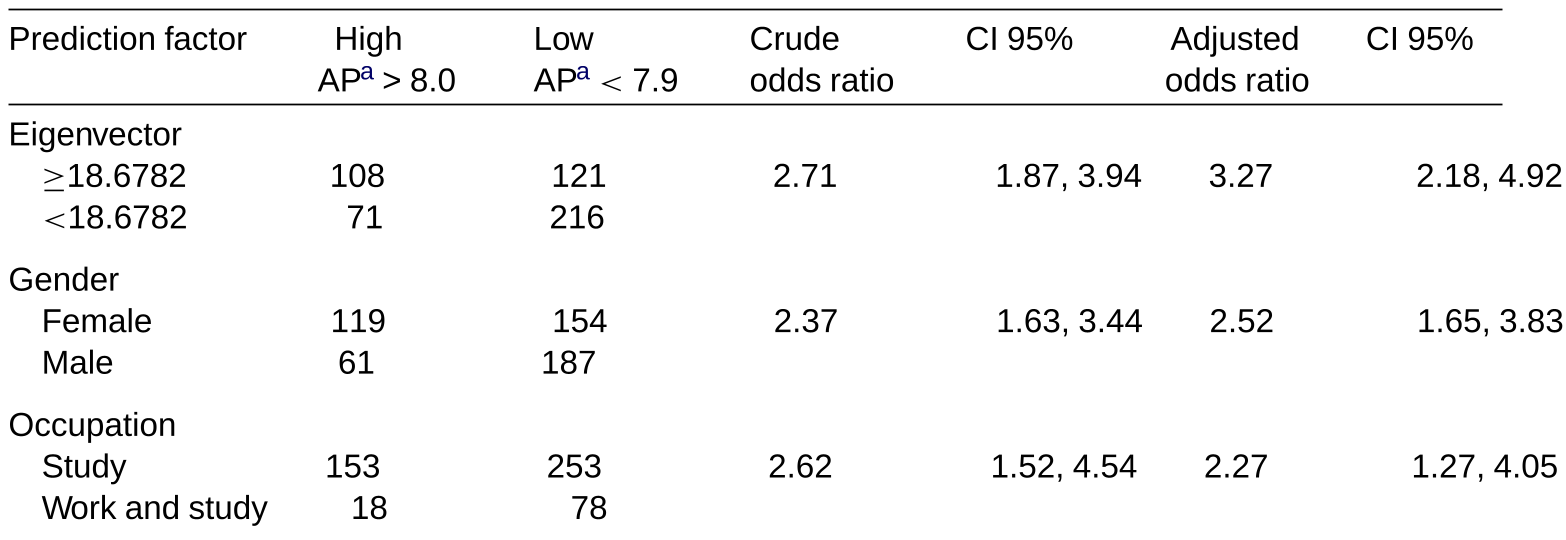
Academic success in high-poverty environments isn't just about individual grit; it's about where you sit in the social web. This study of Mexican junior high students reveals that "Eigenvector Centrality"—being connected to other well-connected peers—is the strongest predictor of high grades, increasing the odds of success by over 300%.
Background: The Invisible Map of the Classroom
In the marginalized neighborhoods of Jalisco, Mexico, junior high school represents a critical junction. For many adolescents, it is a period of high risk for dropping out, early pregnancy, or substance abuse. While traditional pedagogy focuses on teacher-student dynamics, this paper shifts the lens to Social Network Analysis (SNA). It treats the classroom not as a collection of individuals, but as a complex map of information exchange.
Motivation: Why Intelligence Isn't Enough
Previous research has often viewed poverty as a monolith that universally lowers academic expectation. However, the authors argue that the social structure acts as an intermediate variable. The core problem is that students in poverty have less access to diverse social networks, leading to "homophily"—the tendency to only associate with people similar to oneself. If "anti-school" subcultures form, they create closed loops that trap students in low-performance cycles.
Methodology: Measuring Influence
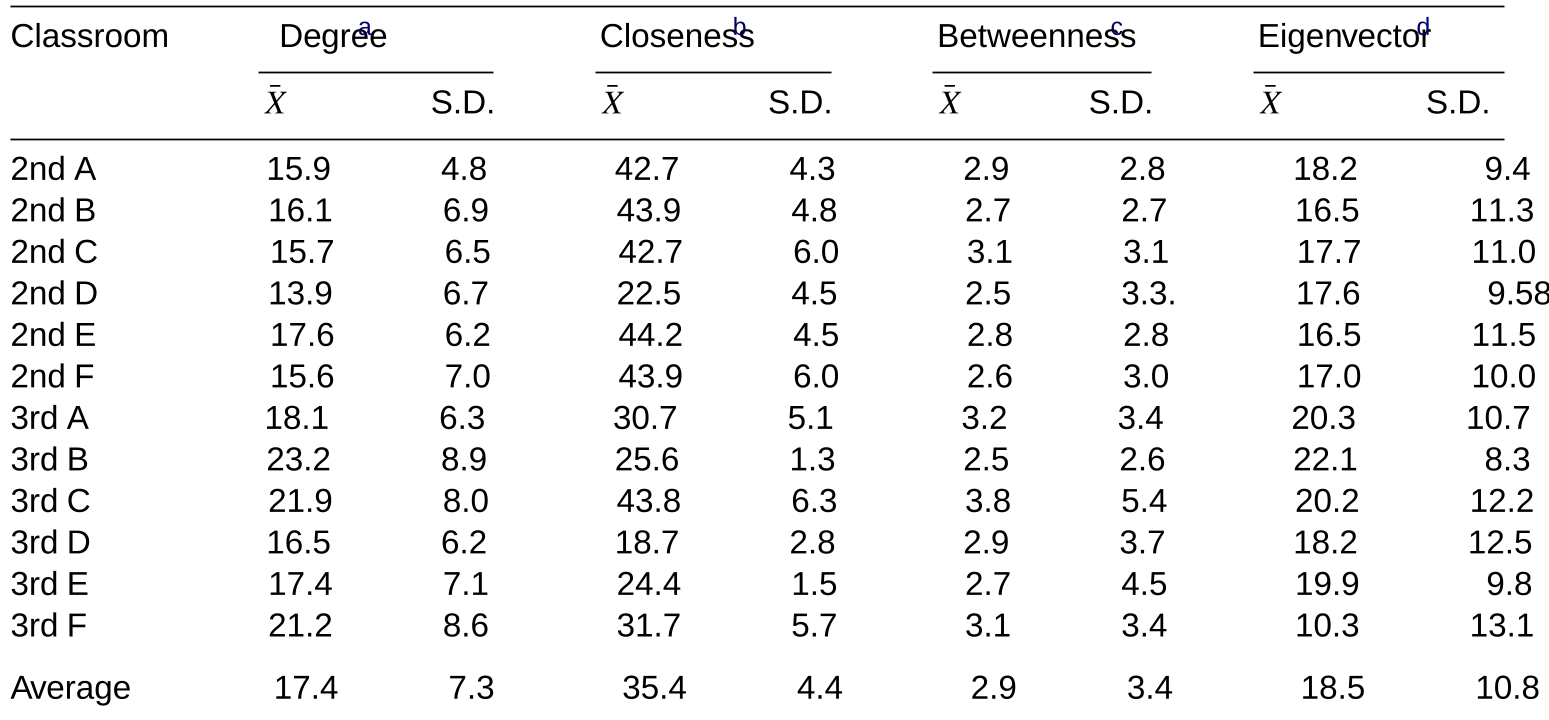
The researchers mapped the networks of 523 students by asking: "Who do you communicate with to improve your academic performance?" They then applied four mathematical metrics of centrality:
- Degree: Number of direct connections.
- Betweenness: Acting as a bridge between different groups.
- Closeness: Ease of reaching any other student in the network.
- Eigenvector: A "prestige" score—you are central if you are connected to people who are also central.
Key Insights: The Winner-Take-All of Connectivity
The study found a stark contrast in how academic performance behaves within these networks:
- The Prestige Effect: The "Eigenvector" position was the most powerful predictor. If a student communicates with "high-value" peers who themselves are nodes of information, their probability of high GPAs (>8.0) skyrockets (OR 3.27).
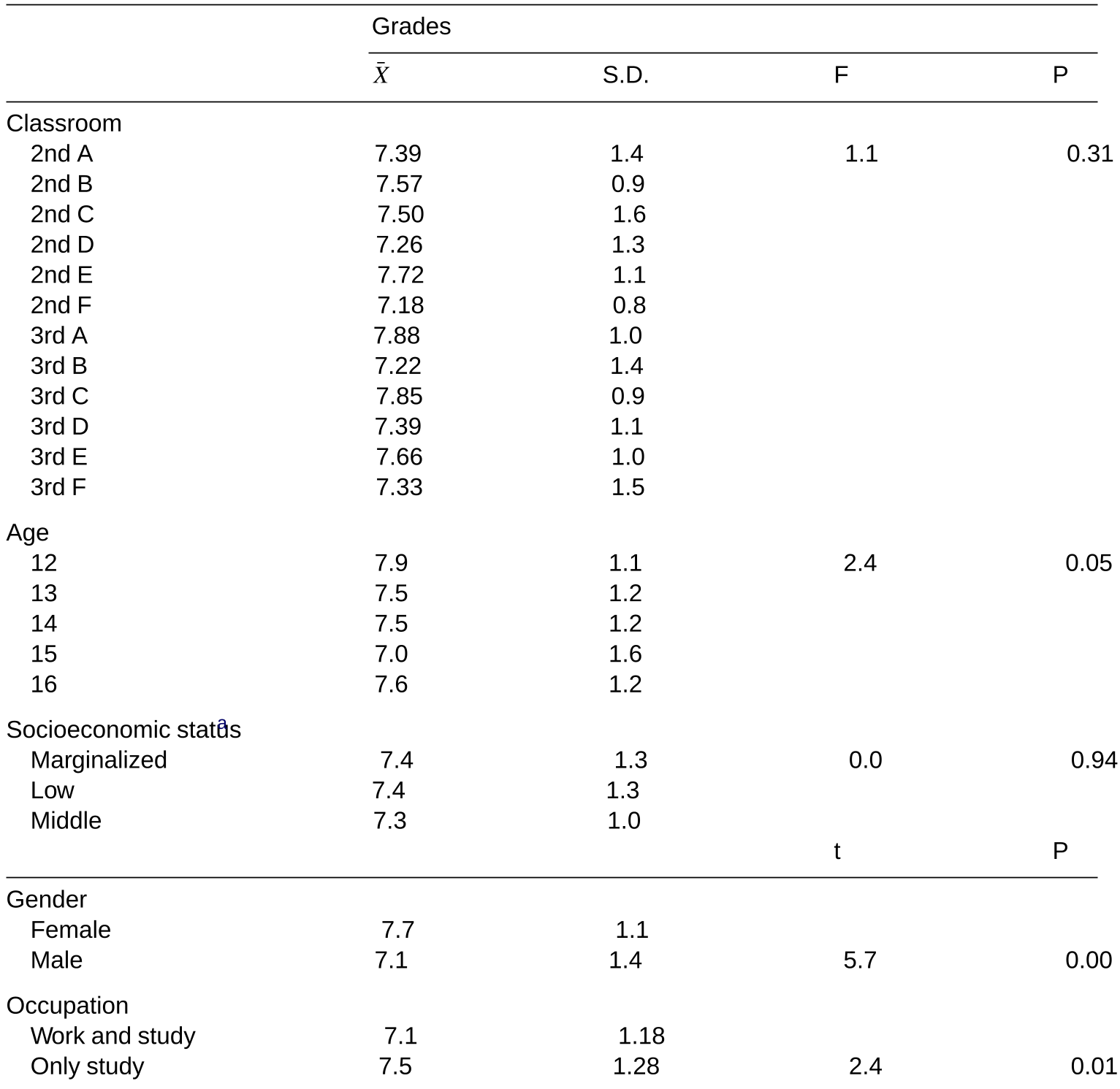
- The Gender Divide: Females generally exhibited higher academic performance and more structured communication networks compared to males.
- The "Work-Study" Penalty: Students who had to work while studying were significantly less integrated into the academic communication network, leading to lower performance.
Critical Analysis & Conclusion
Why it Works
The "Eigenvector" result suggests a Field Theory application in education: high-performing students don't just work harder; they create a "cooperative" ecosystem. Information on how to improve grades spreads more efficiently through these high-prestige nodes.
Limitations
The study is cross-sectional (a "snapshot" in time). It cannot definitively say whether being connected makes you smart, or if smart students simply flock together. Furthermore, while the math is sound, the authors admit that SNA cannot fix the "structural differences" of systemic poverty—it only helps us navigate them.
Future Outlook
For educators, the message is clear: Don't just teach the student; manage the network. By identifying "central" students and turning them into peer facilitators, schools can leverage existing social hierarchies to improve the performance of the entire group.