
The Ghost in the Machine: Why Self-Service Checkouts are Breeding Grounds for Dishonesty
Social Presence and Dishonesty: Perceptions from Security Guards
This study investigates the link between social presence and customer dishonesty at Self-Service Checkouts (SCOs) through semi-structured interviews with supermarket security guards. It identifies that the lack of human interaction in SCOs creates "Grey Areas" with high opportunities for theft, where offenders often utilize the "self-scan defense" to mask intent.
TL;DR
Self-service checkouts (SCOs) offer convenience but at a high cost: a significant jump in retail "shrinkage." This research explores the perceptions of security guards to reveal that it isn't just "professional thieves" at work, but everyday customers exploited by the lack of Social Presence. By removing the cashier, we've removed the psychological deterrent of being "seen," leading to a rise in what experts call the "self-scan defense."
The "Self-Scan Defense": A New Era of Shoplifting
The core motivation for this research stems from a simple observation: retail is moving toward automation, but ethics are not. Previous work confirms that where SCOs are present, theft increases.
The authors highlight a critical psychological loophole: The Rational Choice Perspective. When a customer interacts with a machine rather than a human, the "cost" of being caught drops. If confronted, they simply blame the machine—"It didn't scan right"—a tactic known as the self-scan defense. This ambiguity makes it nearly impossible for security to prove intent, leading to low prosecution rates and a sense of "invincibility" for the opportunistic thief.
Methodology: Insights from the Front Lines
The researchers interviewed six veteran security guards in the UK to understand the "How" and "Why" of SCO theft. Using NVivo for thematic analysis (achieving a high inter-rater reliability of Cohen’s Kappa = .882), they identified three categories of offenders:
- The Needy: Driven by financial hardship.
- The Gain-Seekers: Premeditated theft for resale (e.g., alcohol, electronics).
- The Frustrated: Customers who steal because they are irate at machine errors or a lack of staff assistance.
Key Tactical Observations
- The Exit Trap: SCOs are often placed near exits for convenience, which security guards identify as a primary "quick escape" route.
- The "Banana for Steaks" Strategy: Swapping barcodes or weighing expensive items as cheap produce remains a dominant method that machines struggle to detect.
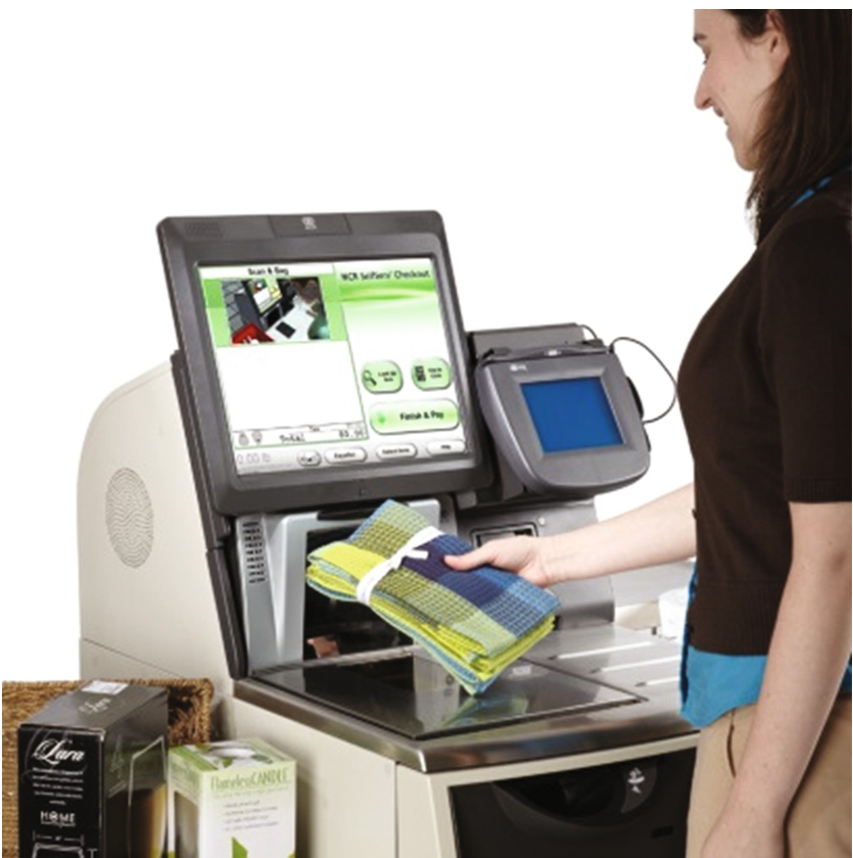 Figure 1: Typical SCO setup where one staff member monitors multiple units, diluting social presence.
The Science of Being Watched: Social Presence Theory
The study’s most profound insight is the failure of "passive" surveillance. Modern customers have become inured to standard CCTV—they know no one is watching the feed in real-time.
Social Presence is the perception of another being. When it’s high, people act more prosocially. At a traditional checkout, the cashier provides 100% social presence. At an SCO, one staff member might cover 10 machines, reducing the "perceived watching" to 10% or less. The guards noted that when the store is busy, this presence vanishes entirely as staff get bogged down in technical errors.
Deep Insight: Addressing the "Grey Areas"
The study concludes that to fight theft, we must re-introduce the "human" into the machine.
Proposed Solutions:
- Technological Visibility: Implementing cameras directly into the SCO screen so the customer sees their own face while scanning. This triggers "public self-awareness."
- Spatial Re-design: Moving SCOs away from the door and arranging them so staff never have their back to a customer.
- Embodied Agents: Using virtual avatars or robots to simulate the feeling of being supervised.
Critical Analysis & Future Outlook
While the study is limited by a small sample size (6 guards), its findings align with the Crime Triangle theory: Opportunity + Target + Desire. The SCO significantly boosts the "Opportunity" side of the triangle.
The Takeaway: Retailers cannot rely on technology to police technology. The future of loss prevention lies in "High-Tech, High-Touch"—using digital interfaces to simulate the social pressure of a human cashier. As thieves "adapt and evolve," our interfaces must move beyond mere utility to become active psychological deterrents.