
From Posts to Belonging: The Inductive Engine of Virtual Communities
The formation of social identity and self-identity based on knowledge contribution in virtual communities: An inductive route model
This study proposes an "Inductive Route Model" to explain how social identity and self-identity form through knowledge contribution in virtual communities (VCs). By surveying 348 users from Baidu Post Bar, the researchers demonstrate that social interaction ties and membership esteem significantly mediate the path from behavior to psychological identification.
TL;DR
Why do people stay in online forums? While many assume people join because they "identify" with a group, this study flips the script. It reveals an Inductive Route: knowledge contribution leads to social ties and self-esteem, which then crystallizes into social and self-identity. It is the act of contributing that builds the "we."
The "Top-Down" Fallacy in Virtual Communities
In traditional social psychology, identity is often viewed as deductive. You are a Lakers fan, so you join a Lakers forum and act like one. However, in the anonymous, fragmented world of VCs like Baidu Post Bar or Reddit, you often start as a stranger.
The authors argue that the real "self-running" mechanism of these communities is bottom-up. Prior works failed to explain the "Why" behind the transition from a casual poster to a core community member. This paper fills that void by mapping the psychological journey from a single post to a robust sense of self.
Methodology: The Two Pillars of Identity
The researchers proposed an "Inductive Route Model" backed by two distinct perspectives:
- The Social Network Perspective: This focuses on Social Interaction Ties. As you contribute, you receive replies, creating a web of structural linkages.
- The Work Group Perspective: This focuses on Membership Esteem. Contributing valuable knowledge validates your competence, making you feel like a "valuable cog" in the machine.
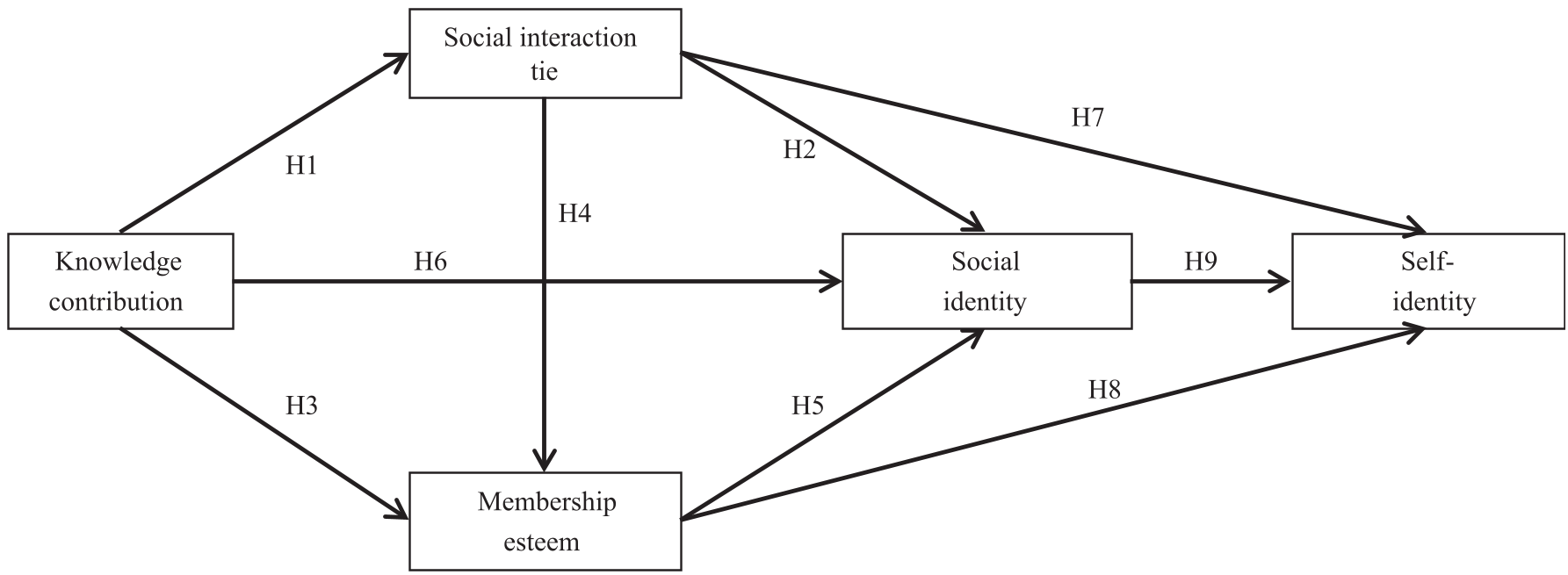 Figure 1: The theoretical framework illustrating the mediation effects of SIT and ME.
Key Findings: The "Self-Running" Mechanism
The study analyzed 348 active members of the NBA and history bars on Baidu, revealing several critical insights:
- The Power of Interaction: Knowledge contribution is the strongest driver of social ties (0.65). If you don't post, you don't exist in the social graph.
- Identity Duality: Social interaction ties are the primary driver for Social Identity (feeling part of the "we"), whereas membership esteem is the crucial link to Self-Identity (feeling like "I am a contributor").
- The Feedback Loop: The most profound takeaway is the "self-running" nature. Contribution forms identity; identity, in turn, fuels more contribution.
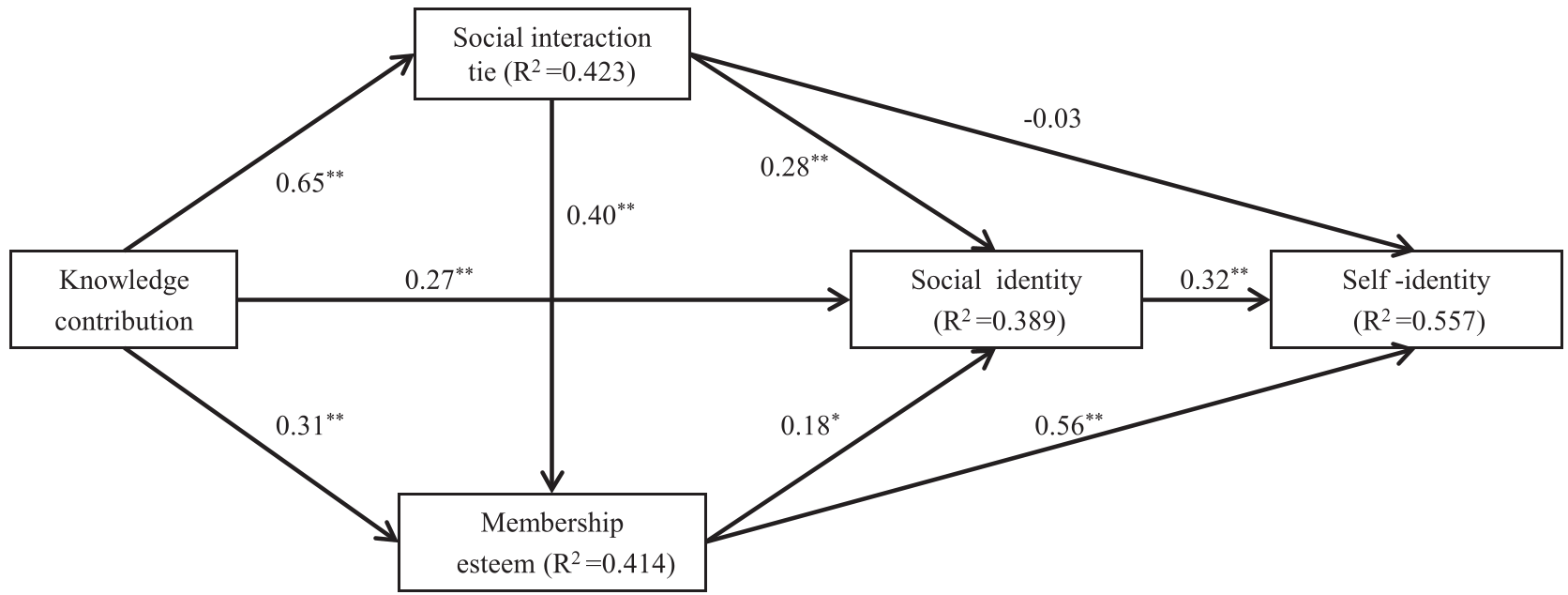 Figure 2: Empirical results showing standardized path coefficients.
Deep Insight: Why This Matters for the Future of VCs
This paper transcends simple "user behavior" metrics to look at the Inductive Bias of community growth.
For Researchers: It provides a concrete bridge between Identity Theory (roles) and Social Identity Theory (group membership). It proves that in digital spaces, "doing" precedes "being."
For Community Architects:
- Prioritize Replies: Since interaction ties are vital, ensure newcomers get replies. A "dead" first post kills the inductive route.
- Status as Fuel: Use levels and badges to boost "Membership Esteem." These aren't just toys; they are essential for the formation of self-identity.
Limitations & Future Outlook
While the study is robust, its reliance on a Chinese interest-based community (Baidu Post Bar) might limit generalizability to professional networks (LinkedIn) or ephemeral spaces (Snapchat). Future research should explore how AI-generated content might disrupt this inductive route—does contributing via an AI assistant still build the same sense of self-esteem?
Conclusion
The Inductive Route Model proves that virtual communities are not just information exchanges; they are Identity Factories. By fostering contribution, platforms don't just get content—they build a loyal citizenry.
Takeaway: Identity is not just found; it is forged through interaction and validated through contribution.