
Digital Harbors: Quantifying Social Support in the Autism Blogger Community
Demonstrating Social Support from Autism Bloggers Community on Twitter
This study investigates social support within the autism blogger community by analyzing interactions across blogs and Twitter using sentiment analysis and Social Network Analysis (SNA). Leveraging the LIWC (Linguistic Inquiry and Word Count) tool, the researchers demonstrate that this community is a "tightly knit" network providing significant emotional and informational support.
TL;DR
As ASD diagnoses rise, traditional support systems are struggling to keep pace. This research dives into the "Autism Blogger" ecosystem, revealing a digital community that is significantly more connected and supportive than the general web. By analyzing over 118,000 tweets and hundreds of blog posts, the study quantifies how mothers, fathers, and self-advocates use social media to combat isolation and share vital caregiving knowledge.
The "Support Gap" and Digital Evolution
Caregivers of individuals with Autism Spectrum Disorder (ASD) frequently face high levels of stress, anxiety, and social isolation. While clinical trials and professional interventions are the gold standard, they are often inaccessible or slow. The authors suggest that social media has evolved into a "shadow infrastructure" for healthcare. The core question was: Is this digital interaction actually providing measurable support, or is it just noise?
Methodology: Mapping the Conversation
The researchers didn't just look at broad hashtags; they focused on the "influentials."
- Sourcing: They identified 40 top-tier autism bloggers recognized by Autism Speaks.
- Multi-Platform Sync: Using the OYSTER tool, they linked blog identities to Twitter handles to track how the same individuals communicate across different formats.
- Linguistic Analysis: They employed LIWC (Linguistic Inquiry and Word Count) to categorize words into psychological dimensions like "Positive Emotion," "Assent," and "Family/Human Processes."
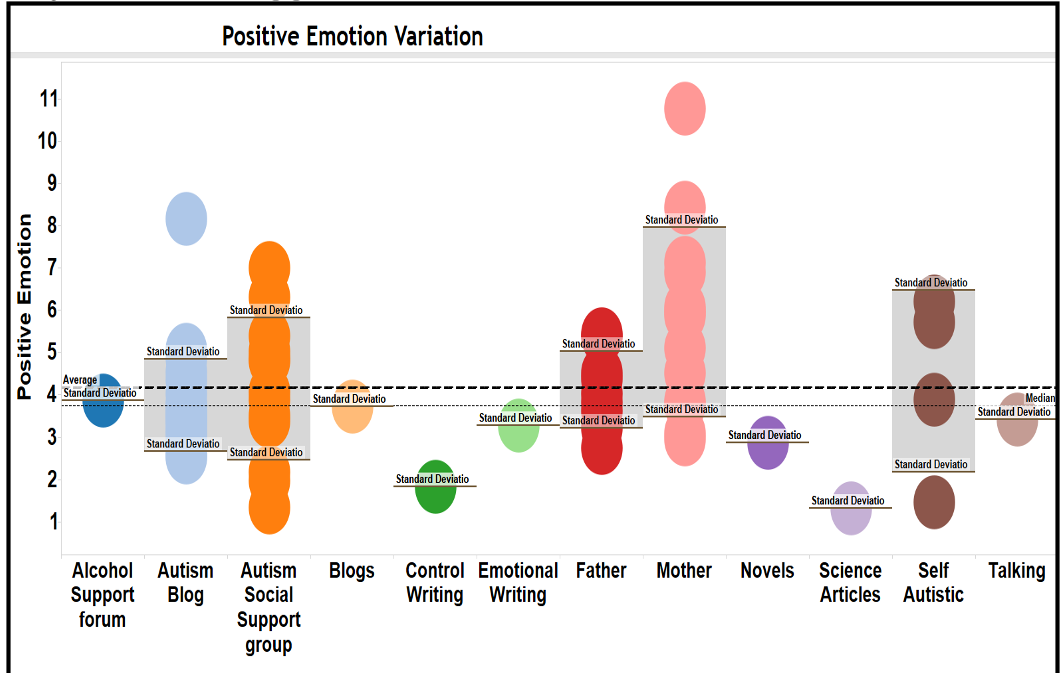 Figure 1: The "Mention and Reply" network of the autism blogger community, showcasing a spoke-and-hub nature of communication.
Key Insights: A Tighter "Small World"
One of the most striking findings is the network's density. While the general theory of social networks suggests "six degrees of separation," this community operates on an average of 3 hops. This implies a highly efficient information-sharing environment where a member can reach almost any other influential member through just two intermediaries.
1. The "Motherhood" Factor
The data revealed a distinct gender divide in digital support. Mothers of children with autism displayed the highest levels of positive emotion and social support on Twitter, significantly exceeding the scores of fathers or even general autism support groups.
2. Micro-blogging vs. Long-form Blogs
The study found that Twitter fosters more "Assent" and "Positive Emotion" than long-form blog posts. This suggests that the real-time, low-friction nature of Twitter is better suited for emotional "cheerleading," while blogs might be reserved for more complex, perhaps neutral or even venting-focused, narratives.
3. Comparison with Other Communities
When compared to online groups for alcohol support, the autism community on Twitter showed higher levels of positive sentiment. This indicates a unique "solidarity" culture centered around raising awareness rather than just symptom management.
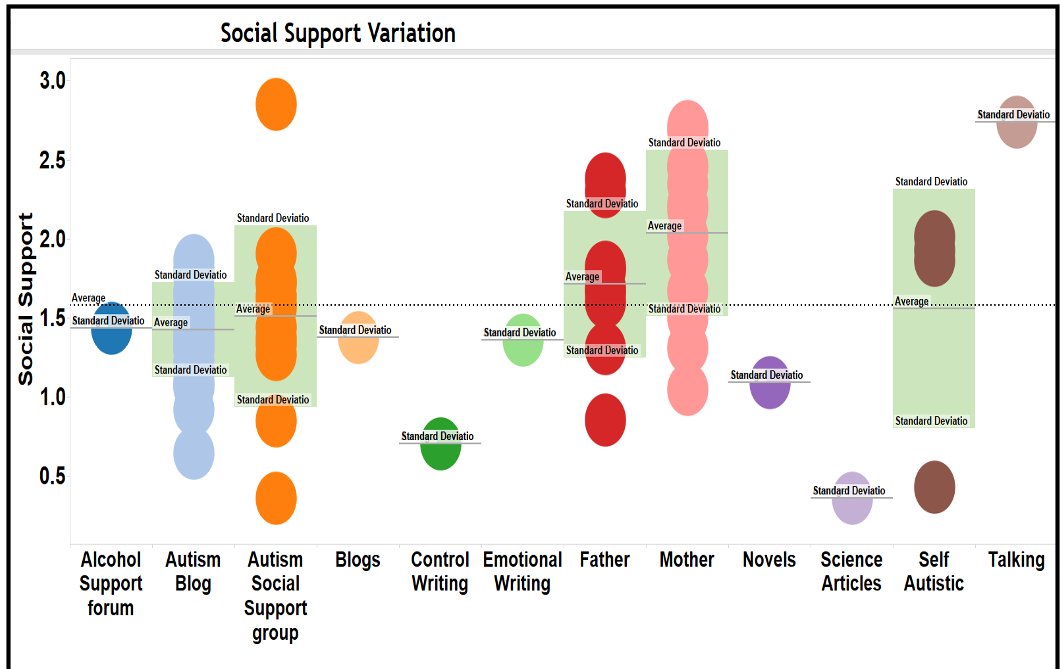 Figure 2: Distribution of social support scores across different contributor categories.
Critical Analysis & Conclusion
While the study provides a robust quantitative baseline for digital support, the authors provide a sobering takeaway: Social media cannot replace speech. Verbal, face-to-face communication still scores higher in providing social support than any digital modality analyzed.
Limitations:
- Sample Size: The study focused on 40 "popular" bloggers. While influential, they may not represent the thousands of smaller "micro-accounts" within the community.
- Temporal Lag: The data spans 2009–2014. Since then, the migration of communities to platforms like Discord or Instagram might have altered these interaction patterns.
Future Outlook: This research provides a framework for healthcare providers to view social media not as a distraction, but as a legitimate supplement to clinical care. Future tools could leverage these sentiment benchmarks to identify caregivers who are slipping into isolation and proactively connect them to these "3-hop" dense support networks.