
SOCIETY: Bridging the Gap Between Collaborative Education and Social Privacy
SOCIETY: A Social Reading Application to Join Education and Social Network Experience
This paper introduces SOCIETY (SOCIal Ebook communiTY), a mobile social reading application designed for educational environments. The platform integrates e-book reading with social networking features, enabling students and teachers to create, share, and comment on multimedia annotations to foster collaborative learning.
TL;DR
SOCIETY is a social reading application that turns static e-books into dynamic, collaborative learning tools. While it succeeds in boosting student engagement through multimedia notes and group discussions, its most significant finding is a warning to developers: students do not want their schoolwork and social media lives to merge.
Context & Motivation: The Interactive Book
The transition from paper to digital books is more than just a change in medium; it's a shift from solitary consumption to "Social Reading." The authors identify a gap in SOTA (State of the Art) readers like Kindle or iBooks, which excel at synchronization but fail at community interaction. Students need a space where annotations (audio, video, and text) can be shared within a trusted class group to improve sense-making and retrieval.
Methodology: Designing for the Classroom
The development of SOCIETY followed a User-Centered Design (UCD) philosophy, focusing on "recycling" familiar interaction patterns (notifications, text selection) to lower the learning curve.
Core Architecture
The app was built for both iOS and Android, focusing on three pillar functionalities:
- Multimedia Annotations: Moving beyond text to include audio and video notes.
- Granular Visibility: Users decide on the "Right Level of Visibility"—Private, Author-only, Group, or Public.
- Moderation Tools: Teachers are empowered to moderate content, promoting the best student contributions to "official" teaching material.
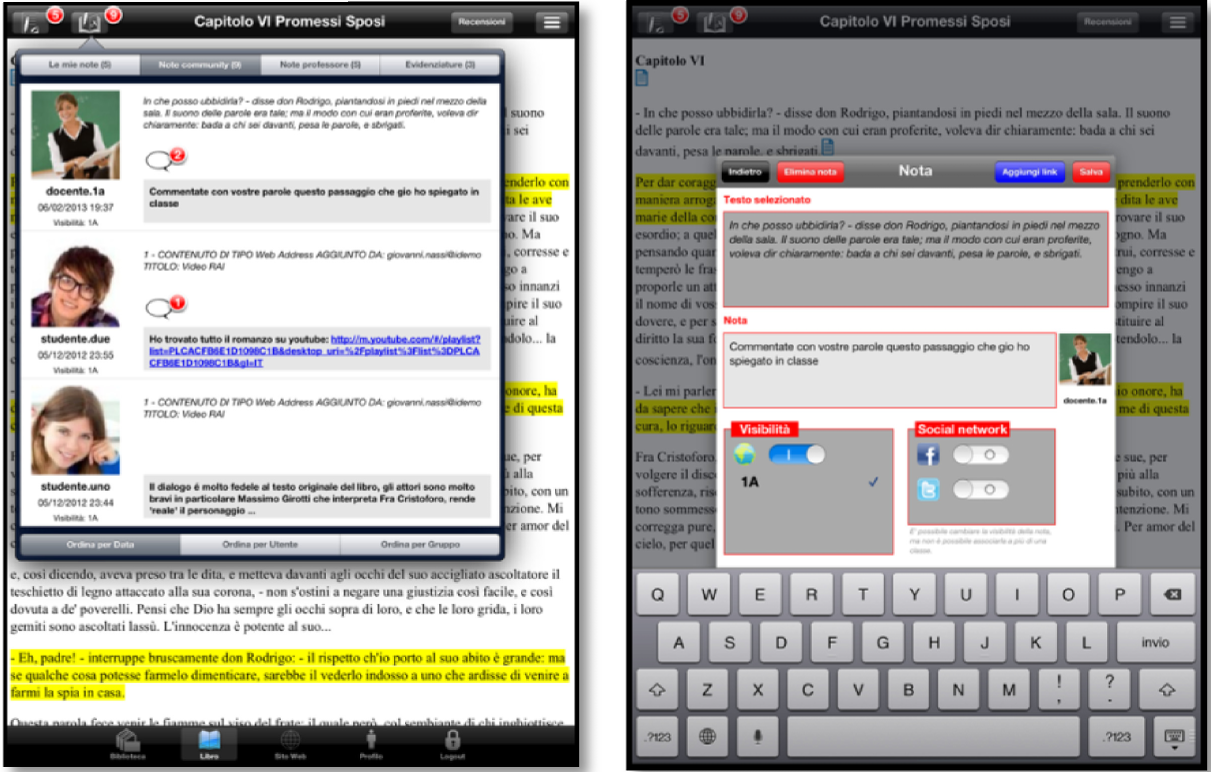 Figure 1: The logical design and interface of the SOCIETY prototype.
Experimental Insights: The Privacy Paradox
A 6-month trial in a high school in Trento, Italy, provided the most striking data. While 85% of users liked the app, the integration with Facebook and Twitter—initially thought to be a "killer feature"—was largely rejected by students.
Key Results:
- User Satisfaction: Score of 7.3/10.
- Usability: 82% found reading notes easy; 71% found sharing and editing notes intuitive.
- The Social Wall: Only 10-15% of users linked their accounts to Facebook/Twitter. Students actively avoided "mixing" their academic persona with their personal social circles.
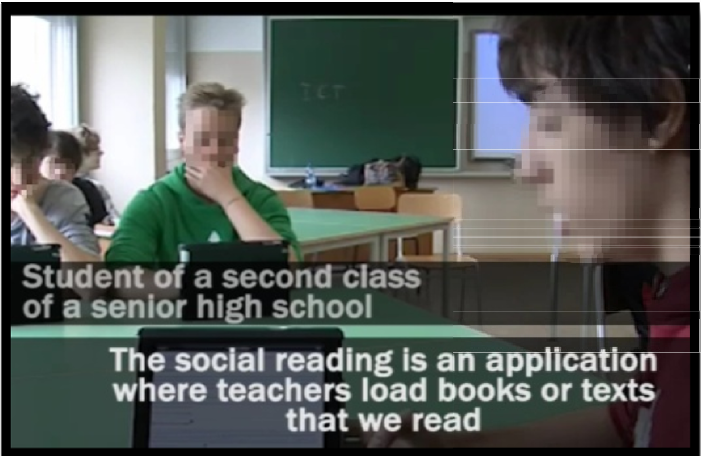 Figure 2: Direct interaction with students and teachers helped refine the app workflow.
Critical Analysis & Conclusion
The success of SOCIETY highlights that Social Reading effectively compensates for the "social distance" in digital learning. However, the study provides a critical "Inductive Bias" for future EdTech: Functional separation is a feature, not a bug. Teenagers are cautious about data permissions; asking for access to a full Facebook profile just to post a book note is a major deterrent.
Future Work
The next logical step for this research is the expansion into supporting students with Specific Learning Disabilities (DSA) such as dyslexia. By integrating cognitive maps and vocal recordings into the social reading fabric, the authors aim to minimize the individual differences in learning efficiency.
Final Takeaway: Social reading is the future of digital textbooks, but only if it respects the invisible boundaries of the student's digital life.