
Engineering the Crowd: Bridging Industrial Practice and Game Theory in Software Crowdsourcing
Software Crowdsourcing Practices and Research Directions
This paper synthesizes industrial lessons and theoretical advancements in software crowdsourcing, detailing its integration into agile development. It categorizes the crowdsourcing landscape (e.g., TopCoder, Applause) and presents case studies from eBay and PayPal to demonstrate global validation and testing at scale.
TL;DR
Software crowdsourcing is no longer just for "Logo Design" or "Micro-tasks." This paper explores how tech giants like eBay and PayPal use the global workforce to solve a critical bottleneck: Globalization and Localization Validation. By treating the crowd as a manageable extension of the Agile team through Game Theory and specialized SDKs, companies can achieve what's impossible for in-house QA—validating software across thousands of real-world device/location combinations in minutes.
The "Chaos" Problem: Why Managing the Crowd is Hard
Why can't we simply outsource all testing? The paper identifies a fundamental tension: Enterprise dependability vs. Human uncertainty. Traditional software development values predictability, while human workers behave with high variance.
Current platforms like TopCoder or oDesk often struggle with:
- Incentive Bias: Prize structures that favor only "stars," discouraging mid-tier workers.
- Task Matching: Finding the right developer for a specific technology stack among thousands of profiles.
- Data Noise: Filtering hundreds of manual bug reports into actionable insights.
Methodology: The Science of Matching and Incentives
The authors segment the landscape into two dimensions: Skill Level (Expert vs. Mob) and Contributor Count (One-sourcing vs. Team-sourcing).
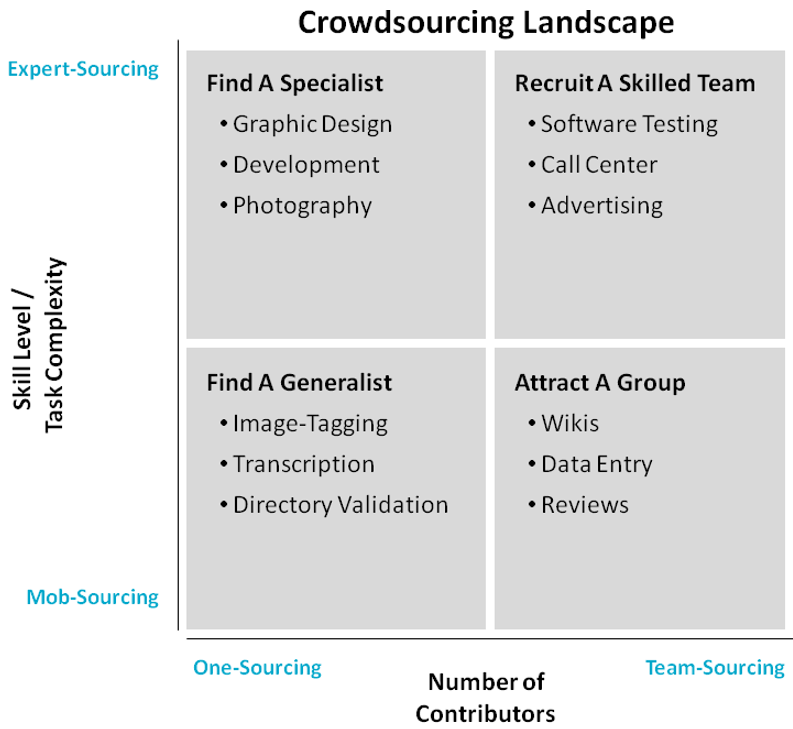
To tame this landscape, the paper highlights four core pillars:
- Micro-ratings: Moving beyond general profiles to specific "industry/specialty" contribution scores.
- Algorithmic Matching: Predicting worker availability based on historical "browsing patterns" rather than just static resumes.
- Game Theory Models: Using mathematical models to analyze why specific prize structures (e.g., paying for the 1st person to find a bug vs. the best design) yield different quality results.
- SDK-led Automation: Using tools like the Applause SDK to turn a 20-minute manual bug reporting process into an automated payload of device logs and screenshots.
Real-World Impact: eBay and PayPal Case Studies
The paper provides heavy-hitting evidence from the eCommerce sector.
1. eBay Marketplace Globalization
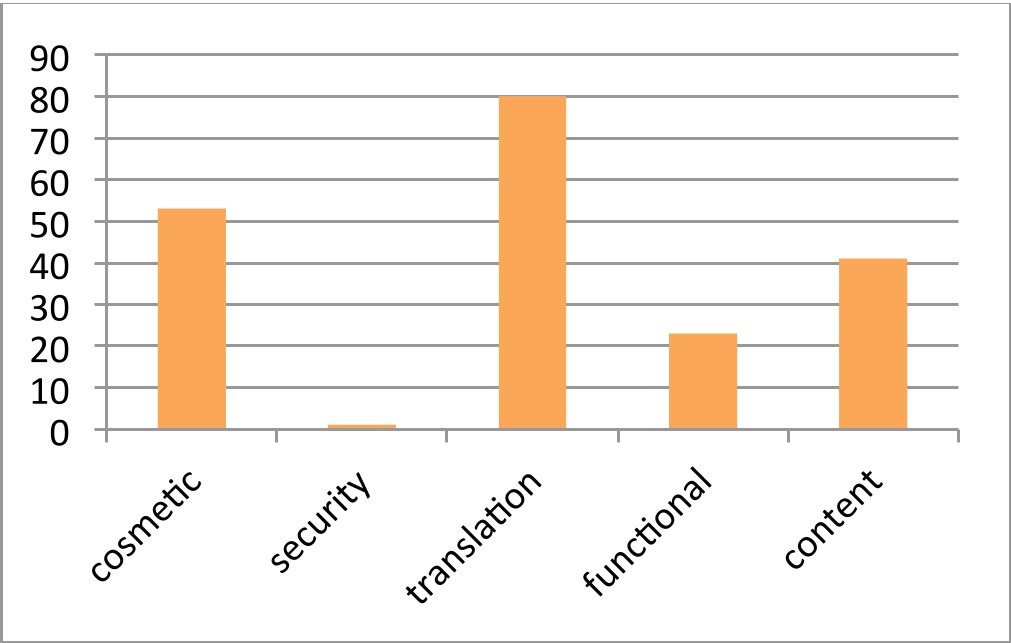
eBay needed to validate transactions across multiple EU sites. By utilizing an internal and external "selective crowd," they identified 198 bugs in a staggering 1.5 hour window.
2. PayPal "Chip and Pin" Testing
When PayPal launched "PayPal Here" in the UK, in-house testers in California couldn't simulate the poor wireless signals of a British pub or the specific hardware quirks of UK credit cards. Crowdsourcing enabled temporal-spatial testing, where local people tested real hardware in the exact locations the product would be used.
Critical Insight: Beyond Monetary Incentives
The paper argues that the future of software crowdsourcing lies in Programmable Incentive Mechanisms. While current platforms use fixed rewards, the researchers suggest "truthful online auctions" and "regret minimization" algorithms. The goal is to maximize social value—getting the best software quality at the lowest viable project budget while keeping the community vital.
Conclusion & Future Outlook
While crowdsourcing is currently limited to "peripheral" or "medium-size" projects, the paper concludes that its integration into the App Development Lifecycle is inevitable.
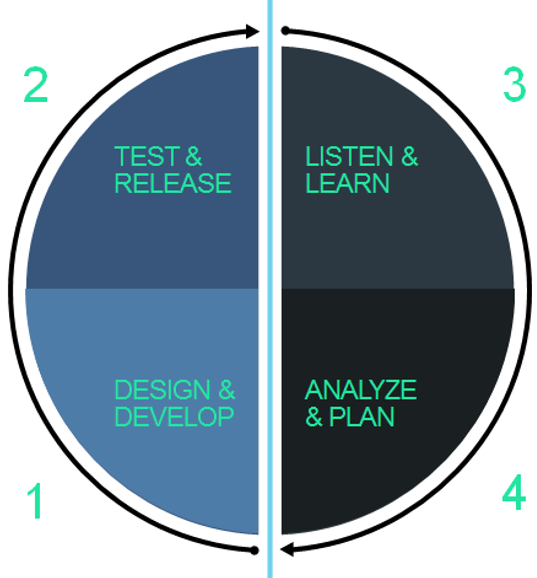
The next frontier? Large-scale system development. This will require shifting from Level 1/2 Maturity (small tasks) to higher levels where the crowd manages complex dependencies, governed by automated data analytics and sophisticated game-theoretic protocols.
Takeaway for Leads: If your team is struggling with localized testing or device fragmentation, the answer isn't more internal devices—it's building a better "incentive engine" for a global crowd.