
To Stay or To Switch? Decoding the Psychology of SNS Migration
Do I Switch? Understanding Users' Intention to Switch between Social Network Sites
This study investigates Social Network Site (SNS) switching behavior using a synthesized framework of the Push-Pull-Mooring (PPM) model and Uses and Gratifications (U&G) theory. By surveying 115 Facebook users, the research identifies how dissatisfaction, relative attractiveness of competitors, and multidimensional switching costs collectively determine a user's intention to migrate between platforms.
TL;DR
In the hyper-competitive world of Social Network Sites (SNS), user retention is the ultimate currency. This study moves beyond simple "satisfaction" metrics to reveal a complex tug-of-war between dissatisfaction (Push), relative platform value (Pull), and the hidden barriers (Mooring) that keep us anchored to platforms like Facebook even when we aren't happy. Leveraging a refined Push-Pull-Mooring model, the researchers explain nearly 55% of the variation in why users switch.
The "Sticky" Platform Dilemma
Why do we stay on platforms we claim to dislike? Most research suggests that users leave when they are unhappy. However, the authors argue this is only one side of the coin. The decision to switch is not just about the current platform's failure, but the relative superiority of a competitor and the psychological/economic weight of leaving.
The core insight here is that attractiveness is relative. You don't switch to a new site because it's "good"; you switch because it is better at gratifications like social image enhancement or self-improvement than your current one.
Methodology: A Multi-Dimensional Framework
The researchers combined the Push-Pull-Mooring (PPM) migration model with Uses and Gratifications (U&G) Theory.
- Push Factors: Dissatisfaction with information quality, community support, and member policies.
- Pull Factors (Relative Attractiveness): Socialization, image enhancement, and self-improvement values compared to the incumbent.
- Mooring Factors (Switching Costs): A six-dimensional barrier including sunk costs (time invested), uncertainty about the new site, and cognitive effort.
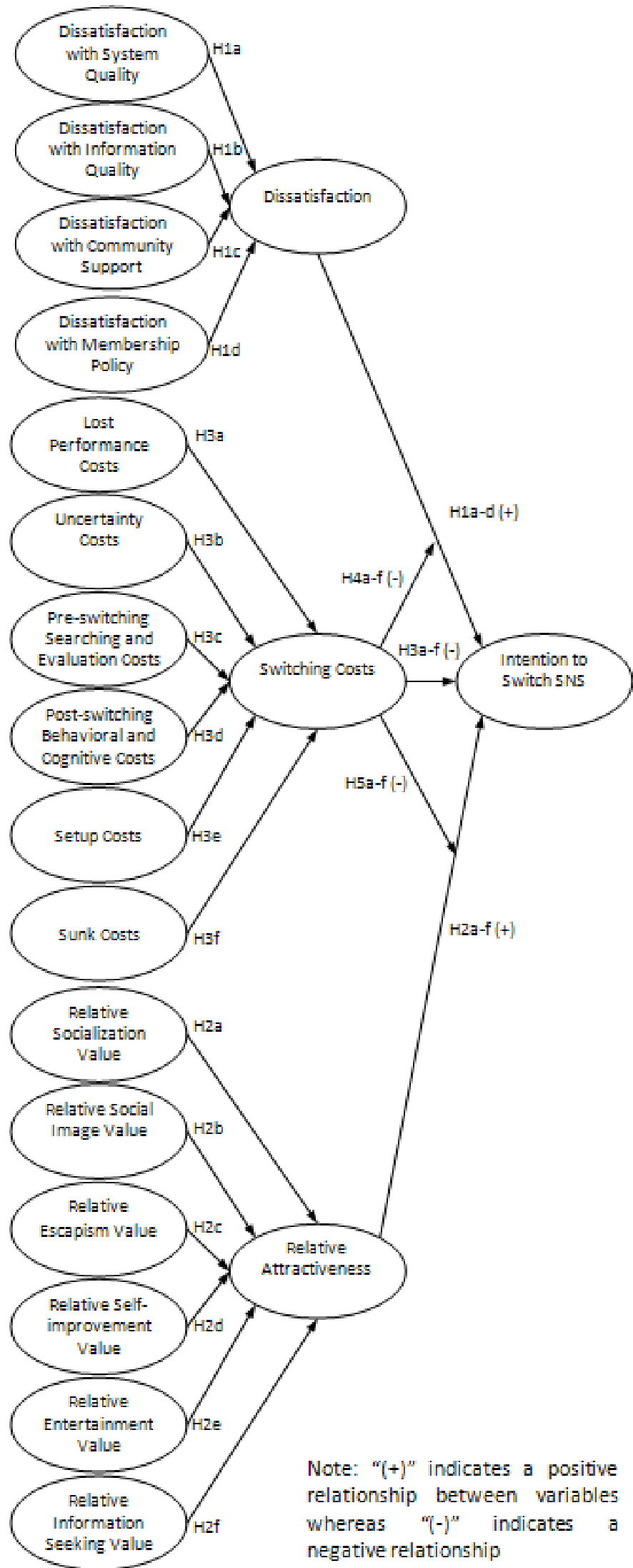 Figure 1: The theoretical interplay between Push, Pull, and Mooring factors.
Key Discoveries: It’s Not Just About the Tech
The study analyzed 115 Facebook users and uncovered several counter-intuitive findings:
- The Power of Moderation: Switching costs often don't stop you from wanting to leave, but they effectively "blunt" the impact of dissatisfaction. If the cost of moving your photos and contacts is too high, even a terrible user experience won't make you quit.
- "System Quality" is Table Stakes: Surprisingly, dissatisfaction with technical system quality (speed, navigation) did not significantly drive users away. In the modern era, users expect technical excellence as a baseline; they switch for social and personal value, not just because a site is "less buggy."
- Relative Values Matter: Users are highly motivated by Social Image Enhancement and Self-Improvement. If a new platform makes them look "cooler" or helps them learn better than their current one, the Pull force is massive.
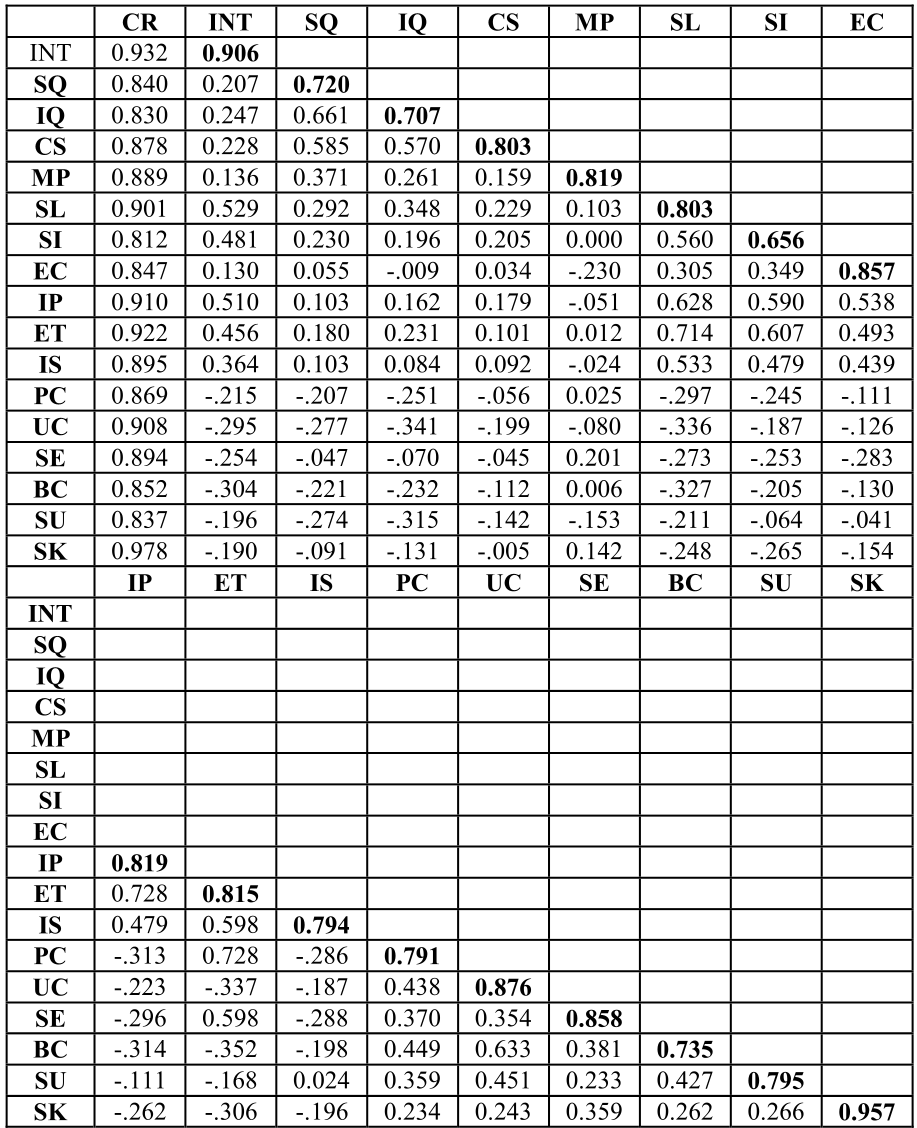 Table 1: Statistical breakdown showing the high internal consistency and predictive power of the multidimensional model.
Critical Analysis & Conclusion
This research provides a much-needed roadmap for both incumbents and challengers:
- For Incumbents: To keep users, you must increase Sunk Costs. Features like "On This Day" (memories) or deeply integrated social graphs make the perceived loss of leaving too painful to bear.
- For Challengers: To poach users, you must lower the Uncertainty Cost. Seamless data porting (lowering setup costs) and clear value propositions in niche areas like "self-improvement" are your best weapons.
Limitations: The study's sample was predominantly young (18-25). As older demographics increasingly dominate platforms like Facebook, their "mooring factors" (like digital literacy barriers) might be even more significant than those found here.
Takeaway: Switching isn't a simple reaction to a bad experience; it's a calculated move based on relative gains and the friction of the "move." As the "Social Web" fragments into specialized niches, understanding these "Mooring" barriers will be the key to predicting the next great digital migration.