
Solar Resilience: A System Dynamics Approach to Colombia's Energy Vulnerability
System Dynamics Modelling of Photovoltaic Power Generation Investment Decisions
This paper presents a System Dynamics (SD) model to evaluate the technical and economic feasibility of residential photovoltaic (PV) systems in Colombia. The study focuses on mitigating energy import dependency caused by hydroelectric vulnerability during droughts, proposing a roadmap for widespread solar adoption.
TL;DR
Colombia’s heavy reliance on hydropower is a double-edged sword: clean but climate-fragile. This research uses System Dynamics (SD) to prove that a massive shift toward residential solar energy could end the country's reliance on emergency energy imports within 11 years, provided there is aggressive state intervention to bridge the gap between high local installation costs and international benchmarks.
The Problem: The "El Niño" Hydro-Crisis
While Colombia prides itself on a green grid—90% of which is hydroelectric—this creates a precarious "climate dependency." During El Niño cycles, droughts plummet reservoir levels, forcing the nation to import expensive energy from neighbors like Ecuador and Venezuela.
Current solutions are stalled by a paradox:
- Policy vs. Practice: Laws like Law 1715 of 2014 promote renewables, but lack the tactical incentives to trigger mass adoption.
- The Cost Gap: While global solar prices have dropped by 80% since 2010, installation in Colombia remains roughly 3x more expensive (avg. 16.5 USD/Wp) than international standards.
Methodology: Simulating a 14-Year Transition
The researchers moved beyond static spreadsheets, employing System Dynamics to capture the feedback loops between energy demand, panel degradation, cost reductions, and state subsidies.
The Core Framework
The model assumes a typical Colombian household requires a 2 kW system to cover an average annual consumption of 1,700 kWh.
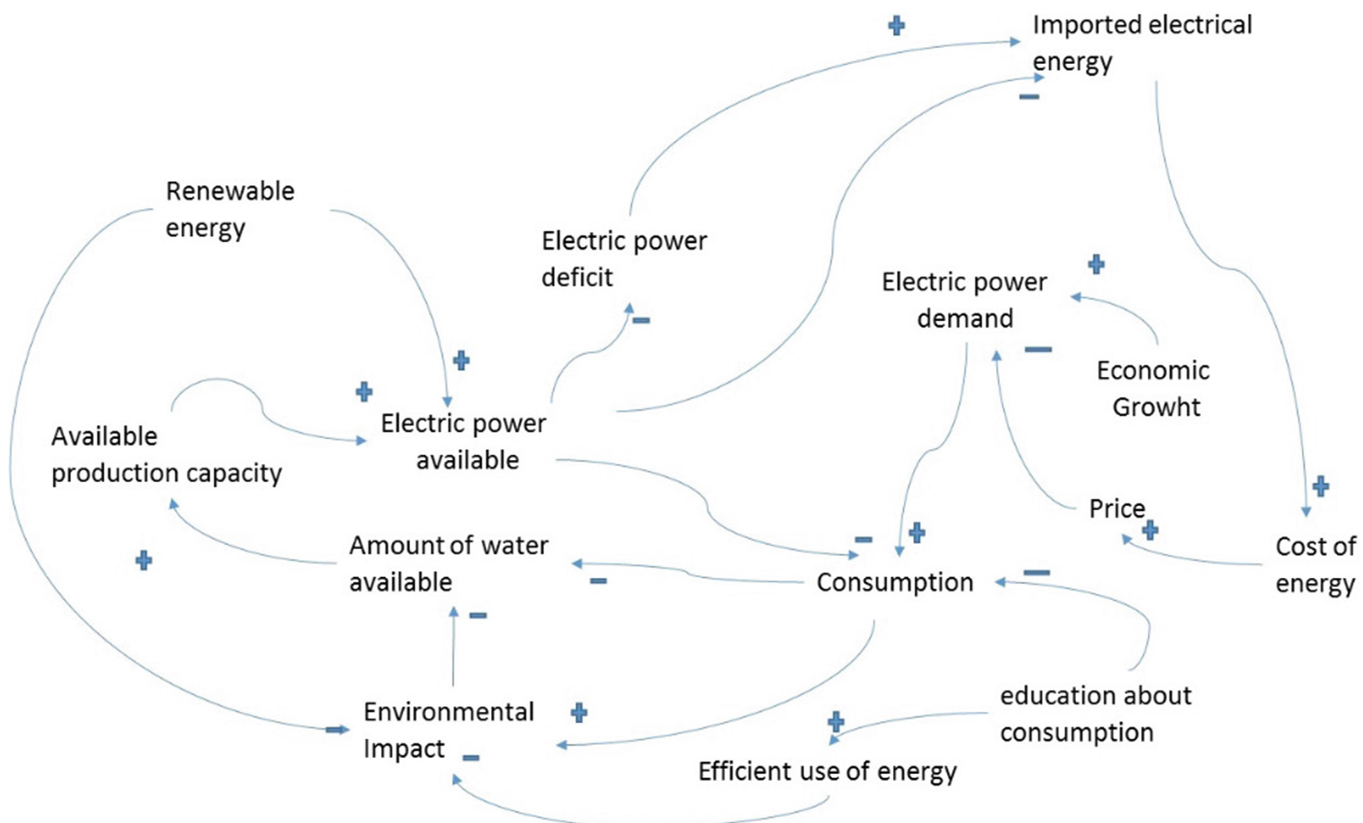 Figure 1: Causal diagram showing the interplay between consumption, imports, and renewable investment.
The simulation (built in the IThink tool) factored in:
- Solar Efficiency: Differences between Monocrystalline (14%) and Amorphous silicon (6%).
- Cost Dynamics: An anticipated 7.7% annual reduction in panel prices.
- Government Intervention: Utilizing funds like FAZNI and FOES to lower the "barrier to entry" for low-income households.
Experimental Results & Outlook
The model reveals a clear path to energy sovereignty. By deploying approximately 1.4 million solar panels, Colombia can fundamentally alter its energy topography.
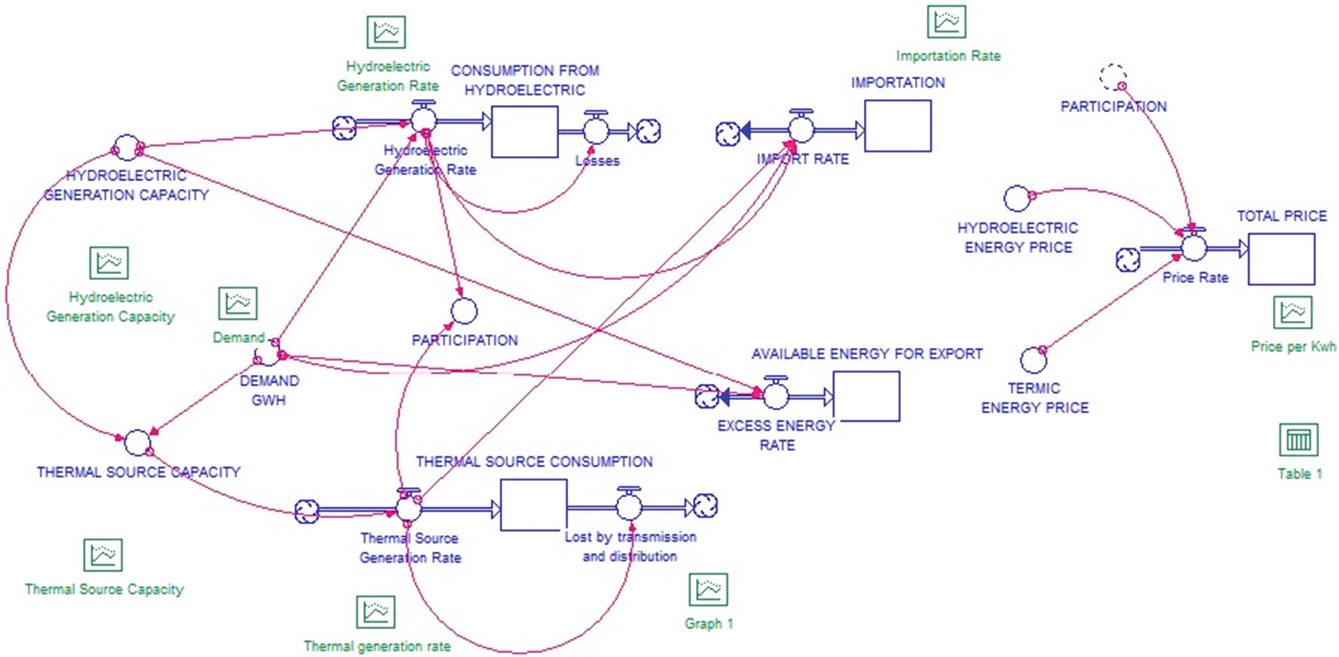 Figure 2: Projection of PV generated power vs. Imported power. The crossover occurs at year 11.
Key Findings:
- Eliminating Imports: In the first 10 years, imports decrease by 39.14%. By year 11, generation exceeds current import levels entirely.
- Economic Burden: The "catch-22" remains the initial capital. The total required investment is US 350 USD.
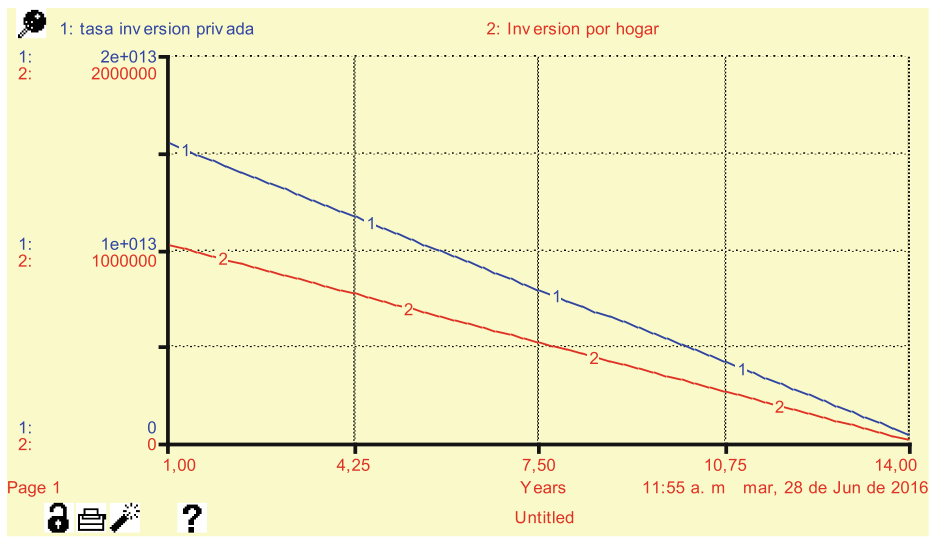 Figure 3: Behavior of investment needed per household vs. total system implementation costs.
Critical Insight & Conclusion
The study highlights that technology efficiency is no longer the bottleneck; policy and financing are. For countries in the Global South, the "Photovoltaic Revolution" is less about wait-and-see for lower prices and more about active fiscal engineering.
Takeaway: Colombia has the radiation (4.5–6 kWh/m²) to be a solar leader. The System Dynamics model proves that while the price of "doing nothing" is high (continued expensive imports and grid instability), the price of "doing something" requires a massive, coordinated state-private investment partnership to reach the 11-year tipping point.
Limitations: The study notes that a more granular regional analysis is needed, as radiation varies significantly between regions like La Guajira (high) and Bogotá (moderate).