
Decoding the Language of Touch: Transforming Vibrations into Basic Human Emotions
14764_Tactile Emotional coding The Perceptual Linking of Vibrotactile Stimuli with Basic Emotions.
This study investigates "Tactile Emotional Coding," establishing a definitive link between vibrotactile stimuli (frequency/intensity) and six basic emotions. By introducing the Vibrotactile Emotion Index (VEI), the authors provide a quantitative framework for mapping vibration patterns to human affective states, specifically for HCI and assistive technology.
TL;DR
Can a simple smartphone vibration convey sadness or anger without a single pixel on a screen? This research says yes. By mapping vibration intensities (frequency) to the six basic human emotions, the authors have developed the Vibrotactile Emotion Index (VEI). This framework allows designers to "code" emotions into haptic feedback, achieving a near-perfect predictive accuracy (R² = 0.995) for emotional intensity through tactile stimuli.
The Missing Link in Human-Computer Interaction
In the realm of Human-Computer Interaction (HCI), we have mastered visual and auditory feedback. However, the tactile sense—the most widely distributed sensory system in the human body—remains underutilized. Current haptic research often focuses on "did the user feel the notification?" rather than "how did the notification make the user feel?"
The authors argue that this neglect of the psychological dimension of touch impairs the efficiency of tactile applications. Their goal was to bridge this gap by proving that vibrotactile patterns can be intuitively linked to emotional cognition.
Methodology: Mapping Frequency to Feeling
The researchers utilized a custom-built Arduino-based apparatus to deliver vibrotactile stimuli to 30 participants.
- The Stimuli: Patterns consisted of six vibration signals. Two intensity levels were tested: Strong (90 Hz) and Weak (30 Hz).
- The Emotional Framework: Based on the psychological theories of Ekman and Silvan, the study targeted six basic emotions: Happiness, Anger, Sadness, Surprise, Fear, and Disgust.
- The Quantitative Metric: The Vibrotactile Emotion Index (VEI) was created to represent the "excitement" level of an emotion, ranging from 6 (low excitement/sadness) to 12 (high excitement/anger).
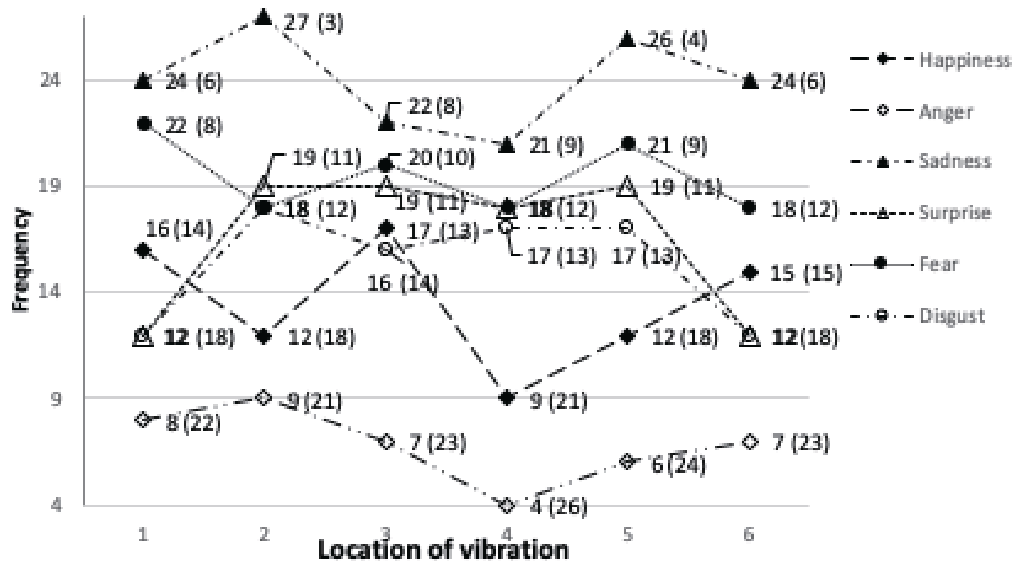 Fig 1: The experimental setup using an Arduino module and a wrist-worn vibration motor.
Key Insights: How Emotions "Vibrate"
The study’s findings reveal a clear "tactile signature" for different emotional states:
- Anger (High Intensity): Dominated by strong vibrations (78%). It is characterized by high strength and continuous pulses, mimicking a "furious" feeling.
- Sadness (Low Intensity): Dominated by weak vibrations (80%). Participants described this as a "melancholy" or "depressed" literal sinking feeling.
- Happiness (The Ups and Downs): Revealed a mix of intensities, described by subjects as "excited beating" or rhythmic pulses.
- Surprise (The Gift Effect): Often features high-intensity vibrations at the end of the sequence, similar to the sudden realization of opening a gift.
- Disgust: This was the most difficult to code. Users tended to use weak vibrations with intermittent oscillations, reflecting a negative, lingering discomfort.
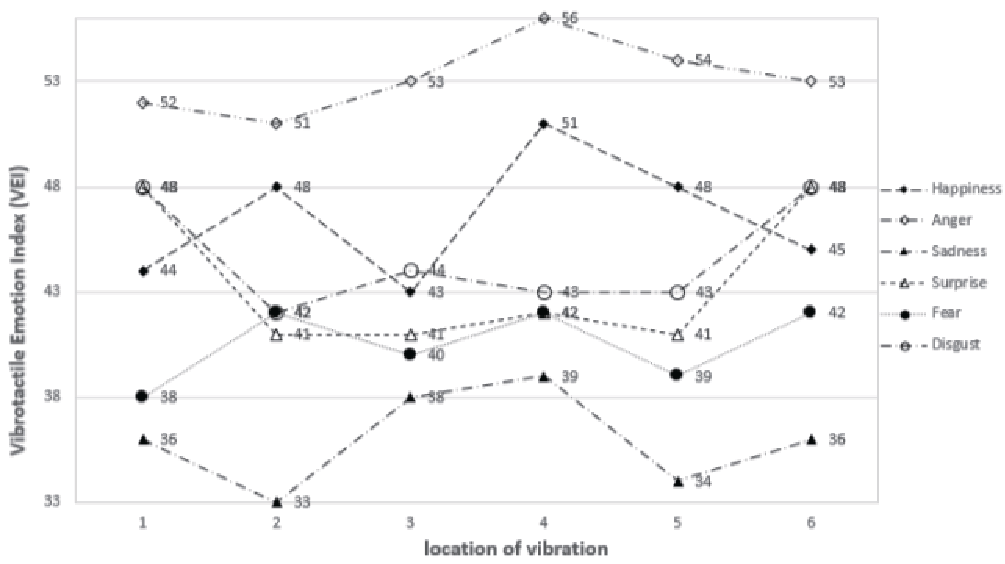 Fig 2: Distribution of Strong vs. Weak vibrations across the six emotions.
Mathematical Precision: The VEI
One of the most impressive outputs of this research is the regression analysis. The authors demonstrated that if you know the desired "excitement" level of an emotion, you can calculate the necessary ratio of strong-to-weak vibrations using a linear formula. With an R-squared value of 0.995, the correlation is nearly absolute.
The Predictive Formulas:
Deep Insight & Future Impact
This research moves haptics from functional notifications to emotional communication.
- For the Visually Impaired: This provides a "tactile language" that can convey the tone of a message, not just its arrival.
- For Wearables: Future smartwatches could "pulse" with the emotional urgency of a contact's mood or the atmosphere of a digital environment.
- Limitations: The study relies on a binary intensity setup (30Hz vs 90Hz). Future work should explore a continuous frequency spectrum and varied rhythms to further refine the "Disgust" and "Fear" patterns, which showed more overlap in this study.
By establishing the VEI, Huang and Hsieh have provided a roadmap for a more empathetic digital future—one where we don't just see or hear data, but actually feel its emotional weight.
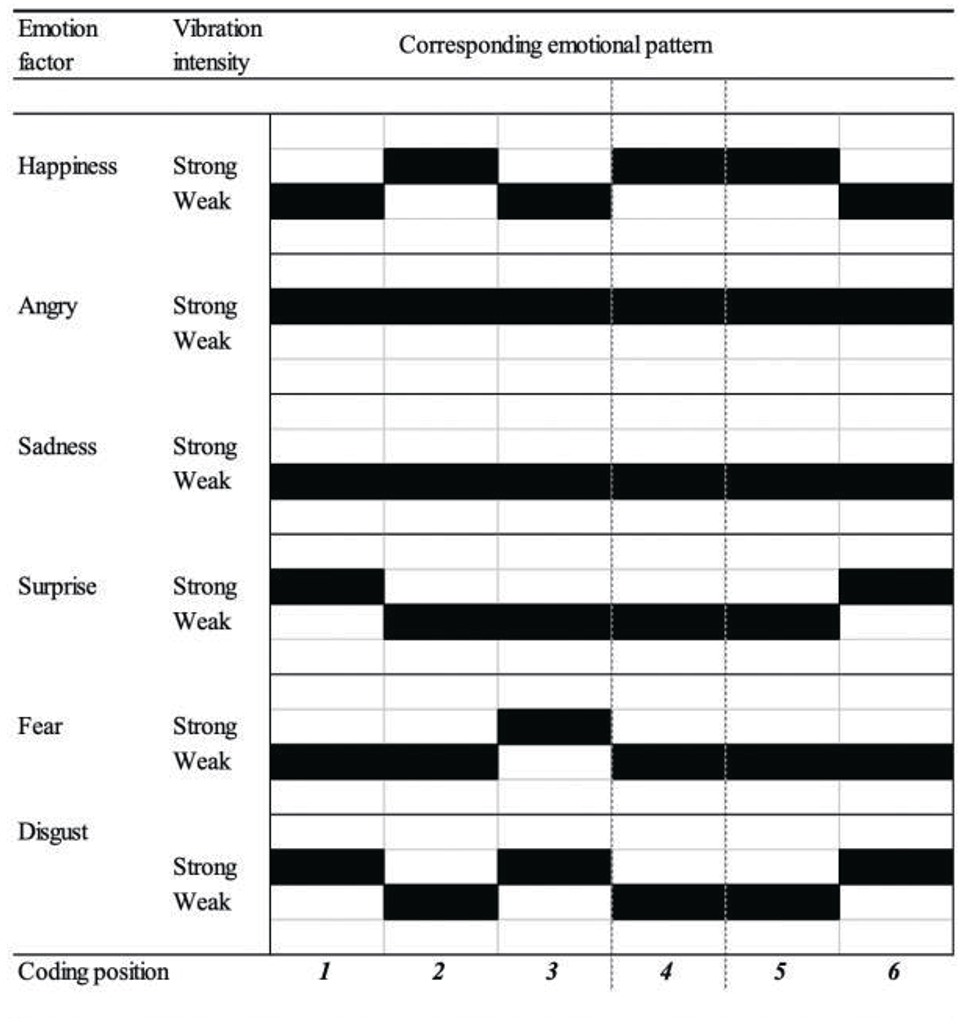 Table 5: The definitive "tactile score" for the six basic emotions.