
The Documentation Gap: Why Most Crowdsourcing Tasks Fail Before They Start
An empirical study on task documentation in software crowdsourcing: the case of the topcoder platform
This paper presents an empirical study investigating the critical role of task documentation in software crowdsourcing platforms, specifically TopCoder. Through a two-stage study involving 20 newcomers and 7 industry professionals, the researchers identify how documentation quality directly dictates task selection and developer success.
TL;DR
A study of the TopCoder platform reveals that the "Crowd" doesn't just look at prize money; they prioritize documentation quality. Poor environment setup instructions and ambiguous requirements are the leading causes of task abandonment. The paper proposes a new standardized structure for task descriptions to boost participation and success rates.
Context: The Competitive Model of Crowdsourcing
Software crowdsourcing has evolved from simple bug hunts to complex architectural challenges. On platforms like TopCoder, the competition is fierce, but the real barrier to entry isn't necessarily the technical difficulty—it's the documentation. Unlike traditional office environments where you can tap a colleague on the shoulder, a crowdsourcing developer only has the "Open Call" text to guide them.
The Core Friction: Why Developers Walk Away
The research highlighted a significant disconnect between what task requesters provide and what developers actually need.
- The Fear of the Unknown: Newcomers and professionals alike frequently discarded tasks if they couldn't estimate the effort within minutes.
- The Information Scavenger Hunt: Many developers reported having to "scour forums for pages" to find basic info that should have been in the main description.
- The Technical Hurdles: If the "Environment Setup" wasn't clear, developers often quit before writing a single line of code, fearing they would waste time on infrastructure rather than the solution.
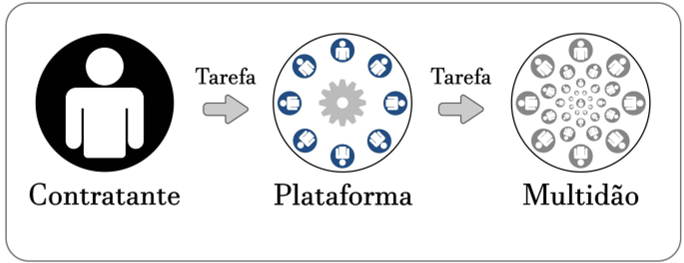 Figure 1: The tripartite relationship between the Client, the Platform, and the Crowd.
Methodology: Newcomers vs. Pros
The authors didn't just look at data; they tracked the psychological journey of developers.
- Stage 1 (Newcomers): 20 students with industry experience participated in a 16-week project, keeping "diaries" of their struggle with TopCoder.
- Stage 2 (Professionals): 7 senior developers analyzed 15 real tasks (Java/Angular) to determine what makes a task "selectable."
Key Insights: What Makes "Good" Documentation?
The study evaluated tasks against the BABOK (Business Analysis Body of Knowledge) quality criteria. While tasks were often "concise," they were rarely "complete" or "testable."
- Atomicity: Is the task a single, independent unit? Pros mentioned that many tasks were too large and should have been broken down.
- Precision vs. Overload: Developers complained that descriptions were either "too skeletal" or "overwhelmingly verbose" without having a clear executive summary.
- The Setup Barrier: Instruction on how to configure the IDE or local database was cited as the most undervalued yet critical piece of information.
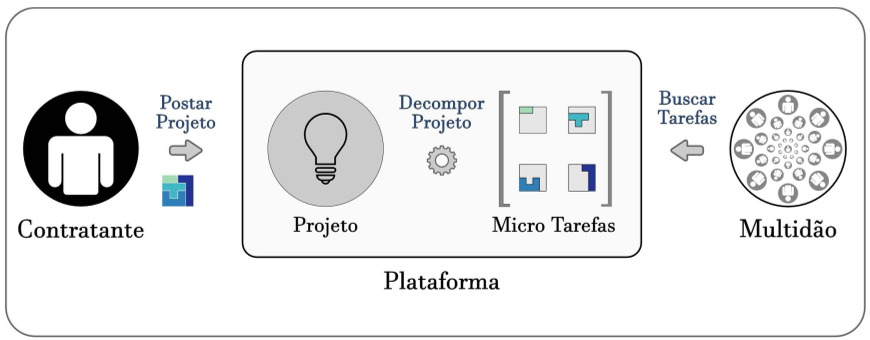 Figure 2: The complex process of breaking a project into manageable micro-tasks.
The Solution: A New Standard for Task Documentation
To solve these issues, the authors proposed a restructured layout for task calls. They suggest moving "hidden" information from forums into mandatory, structured fields in the main call.
The Recommended Framework includes:
- Core Info: Summary, Detailed description, and Reward.
- Technical Context: Explicit lists of platforms, technologies, and required tools.
- Operational Requirements: Environment setup, Acceptance criteria, and Submission rules.
- Traceability: Links to related tasks and supplementary documentation.
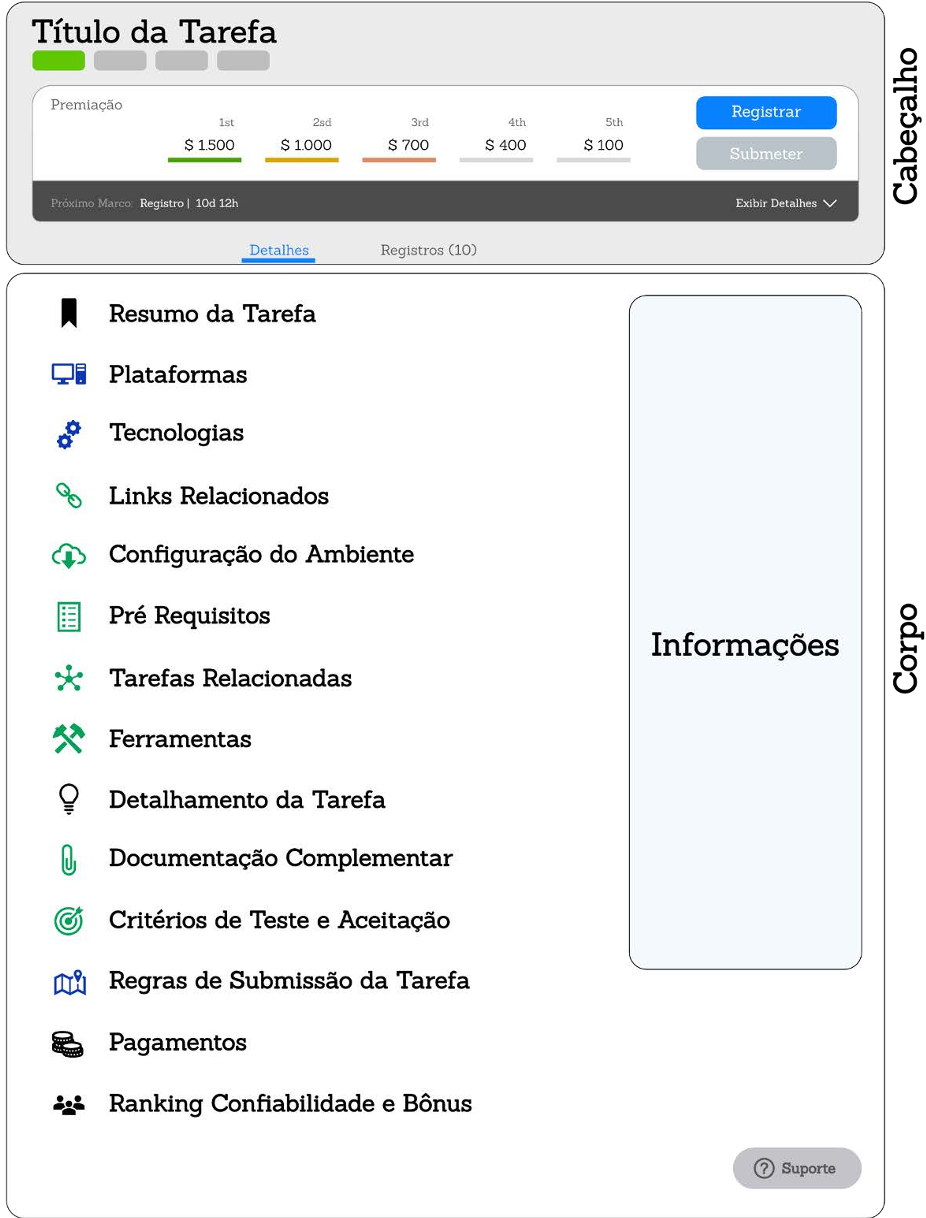 Figure 3: Summary of information suggested to improve task documentation.
Conclusion and Deep Insight
The industry value of this study is clear: High-quality requirements are the only "management" available in crowdsourcing. If you are a platform owner or a client, your ROI is directly tied to the clarity of your acceptance criteria.
Future Outlook: As we move toward AI-generated tasks and micro-services, the "readability" of a task for both humans and AI will become the next frontier. The shift from unstructured text to the "Structured Checklist" model proposed here is the first step toward that future.